
Bernard of Clairvaux and the Condemnation of …
Years: 1121 - 1121
Bernard of Clairvaux and the Condemnation of Peter Abelard at the Council of Soissons (1121 CE)
By 1121, Bernard of Clairvaux, though recognizing the role of reason in theology, had emerged as the primary opponent of rationalist theologians, particularly those whose intellectual inquiry threatened religious orthodoxy.
Among his chief adversaries was Peter Abelard, a brilliant but controversial philosopher and theologian, whose dialectical approach to theology challenged traditional interpretations of doctrine.
Bernard’s Opposition to Abelard’s Rationalism
- Abelard applied rigorous logical analysis to Christian doctrine, particularly in his writings on the Trinity.
- Bernard, deeply rooted in mystical theology, feared that Abelard’s rationalism undermined faith, making reason rather than revelation the foundation of theological understanding.
- Bernard specifically doubted Abelard’s orthodoxy on the Trinity, accusing him of reducing the doctrine to a form of modalism—a heretical view that treats the Father, Son, and Holy Spirit as merely different modes of God’s existence rather than distinct persons.
The Council of Soissons (1121)
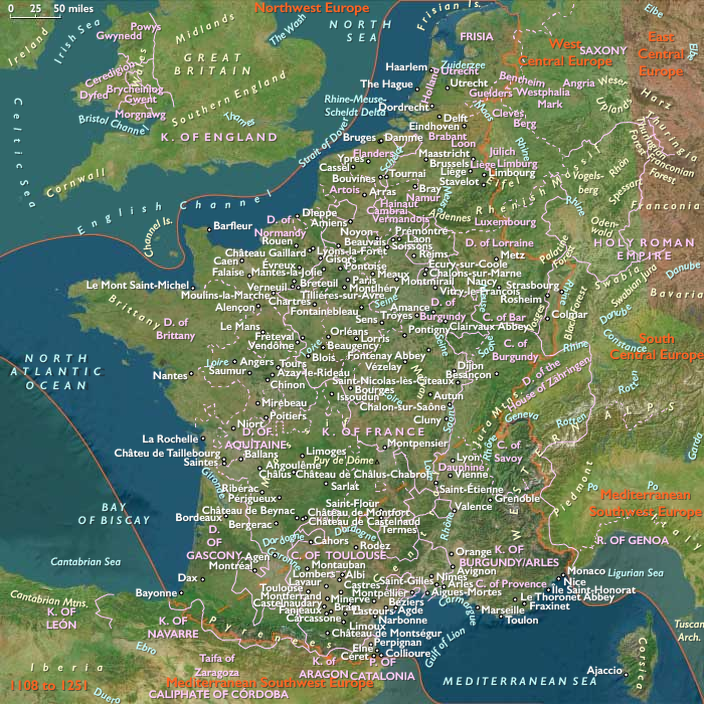
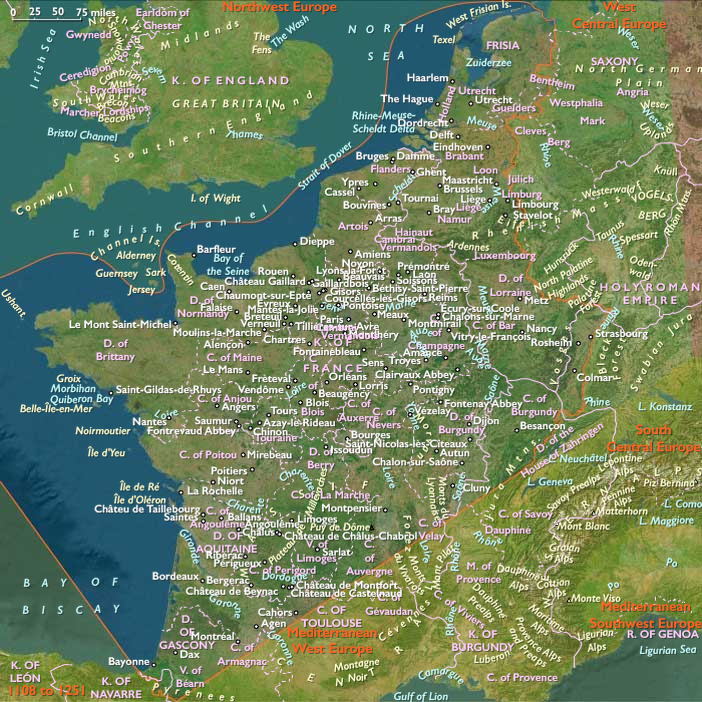
- At Bernard’s instigation, Abelard was summoned before the Council of Soissons to defend his theological positions.
- The council, composed primarily of churchmen unsympathetic to Abelard’s rationalist methods, was heavily influenced by Bernard.
- Abelard’s defense was not well received, and under pressure from Bernard and other clerics, the council condemned his teachings.
- One of Abelard’s books on the Trinity was ordered to be burned, marking a significant defeat for the scholar.
Aftermath and Continued Conflict
- Abelard submitted to the ruling but continued to refine and defend his theological positions, leading to further conflicts with Bernard in later years.
- The rivalry between Abelard and Bernard would culminate in another major theological confrontation at the Council of Sens (1141).
- Bernard’s triumph at Soissons solidified his position as the guardian of orthodoxy, reinforcing the dominance of faith-driven mysticism over rationalist theology within the medieval Church.
While the Council of Soissons was a major setback for Abelard, it also highlighted the growing divide between scholastic rationalism and traditional monastic theology, a debate that would shape medieval intellectual history for generations.
Locations
People
Groups
Topics
Subjects
Regions
Subregions
Related Events
Showing 10 events out of 49311 total
Years: 1121 - 1121
Locations
People
Groups
Topics
Subjects
Regions
Subregions