Event
European Population in 1400: An Era of…
European Population in 1400: An Era of Recovery
By 1400, Europe's estimated population was around 52 million, marking the beginning of a slow recovery from the devastating losses caused by the Black Death (1347–1352), famines, and prolonged warfare.
Demographic Decline and Recovery
- Before the Black Death, Europe’s population was estimated at 75–80 million in 1300.
- The plague wiped out 30–50% of the population, with some regions losing up to two-thirds of their inhabitants.
- In 1400, Europe was still depopulated, with its estimated 52 million inhabitants significantly below pre-plague levels.
Factors Affecting Population Growth
-
Ongoing Plague Outbreaks
- The Black Death did not disappear; subsequent smaller outbreaks continued throughout the 14th and 15th centuries, slowing population recovery.
-
Climate and Agriculture
- The Little Ice Age (14th–19th centuries) caused cooler temperatures and shorter growing seasons, leading to recurring famines.
- Despite improved agricultural techniques, food production did not yet fully support rapid population growth.
-
War and Political Instability
- The Hundred Years’ War (1337–1453) devastated France and England, disrupting trade, agriculture, and urban centers.
- The Ottoman expansion in the Balkans displaced many populations, particularly after the Battle of Nicopolis (1396) and the Fall of Constantinople (1453).
-
Urban Decline and Economic Shifts
- Many cities shrank or stagnated due to economic disruptions and labor shortages.
- Wages increased for peasants and artisans, shifting the balance of power between the nobility and working classes.
Regional Population Estimates in 1400
- France – ~15 million (largest European population).
- Italy – ~10 million (rebounding from heavy losses in the plague).
- Germany & Holy Roman Empire – ~11–12 million.
- England – ~2.5–3 million (down from ~4 million pre-plague).
- Iberian Peninsula (Spain & Portugal) – ~6 million.
- Scandinavia & Eastern Europe – Sparsely populated, recovering more slowly.
Long-Term Impact
- Economic Transformation – Fewer people led to higher wages and land availability, reducing serfdom in Western Europe.
- Renaissance and Trade Growth – Cities in Italy and the Low Countries saw a shift toward commerce, banking, and early capitalism.
- Colonization and Exploration – Population growth in the 15th–16th centuries helped fuel European expansion overseas.
Though 1400 was a low point in Europe’s demographic history, the 15th century marked the beginning of gradual recovery, laying the groundwork for the Renaissance, economic revival, and global exploration.
-
{# Image navigates to the detail page; the magnifying-glass chip is the only Fancybox lightbox trigger (kept a separate sibling — anchors can't nest). #}
 The North Atlantic Lands
World
-
{# Image navigates to the detail page; the magnifying-glass chip is the only Fancybox lightbox trigger (kept a separate sibling — anchors can't nest). #}
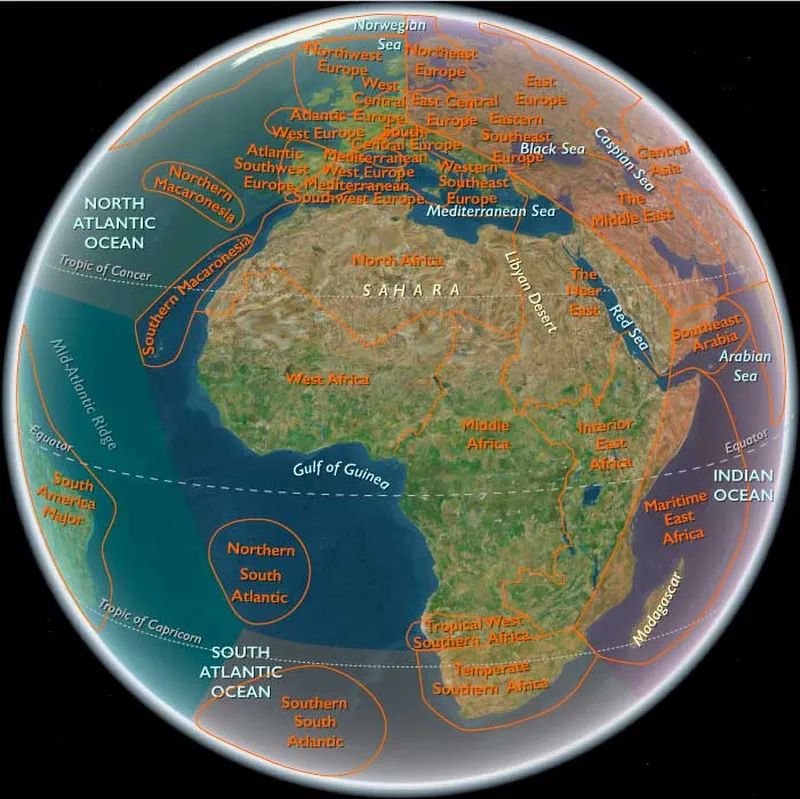 The Middle of The Earth
World
-
{# Image navigates to the detail page; the magnifying-glass chip is the only Fancybox lightbox trigger (kept a separate sibling — anchors can't nest). #}
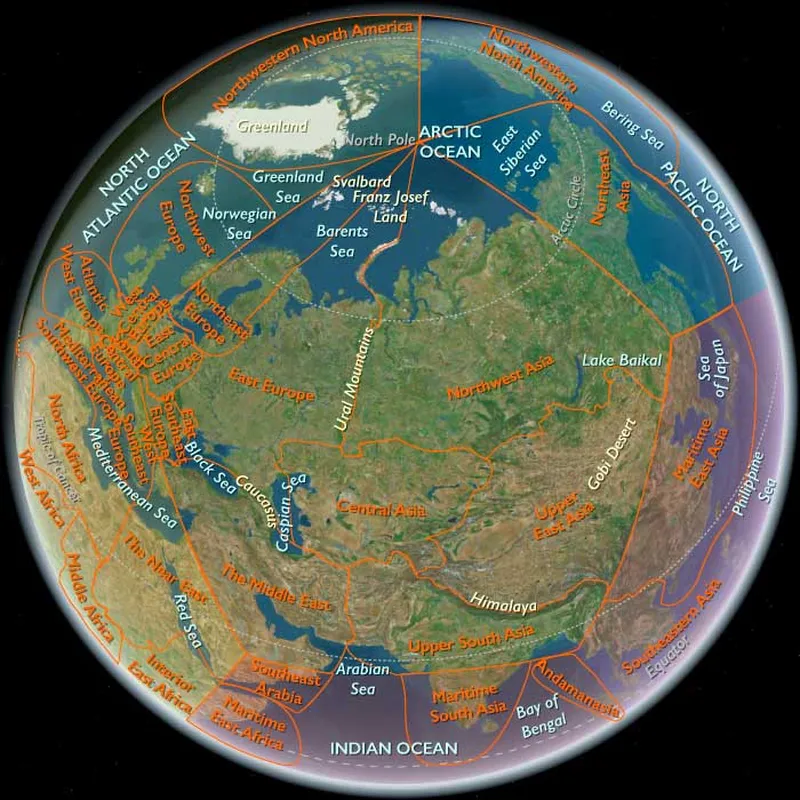 The Great Crossroads
World
-
{# Image navigates to the detail page; the magnifying-glass chip is the only Fancybox lightbox trigger (kept a separate sibling — anchors can't nest). #}
 Southeast Europe
Region
-
{# Image navigates to the detail page; the magnifying-glass chip is the only Fancybox lightbox trigger (kept a separate sibling — anchors can't nest). #}
 Central Europe
Region
-
{# Image navigates to the detail page; the magnifying-glass chip is the only Fancybox lightbox trigger (kept a separate sibling — anchors can't nest). #}
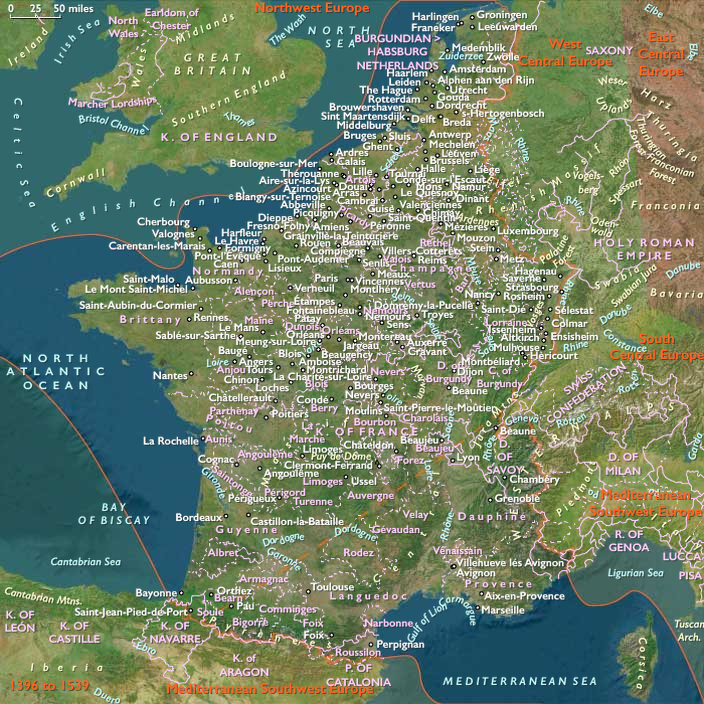 West Europe
Region
-
{# Image navigates to the detail page; the magnifying-glass chip is the only Fancybox lightbox trigger (kept a separate sibling — anchors can't nest). #}
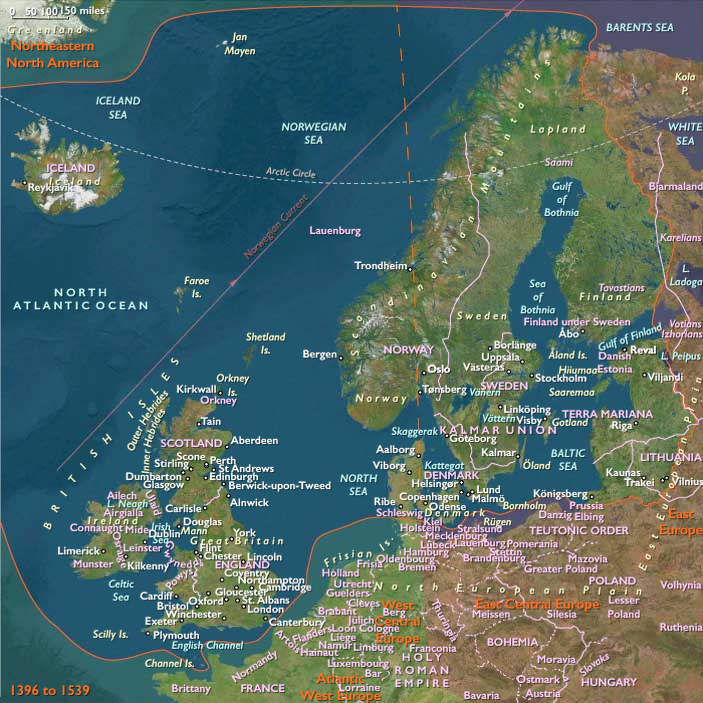 North Europe
Region
-
{# Image navigates to the detail page; the magnifying-glass chip is the only Fancybox lightbox trigger (kept a separate sibling — anchors can't nest). #}
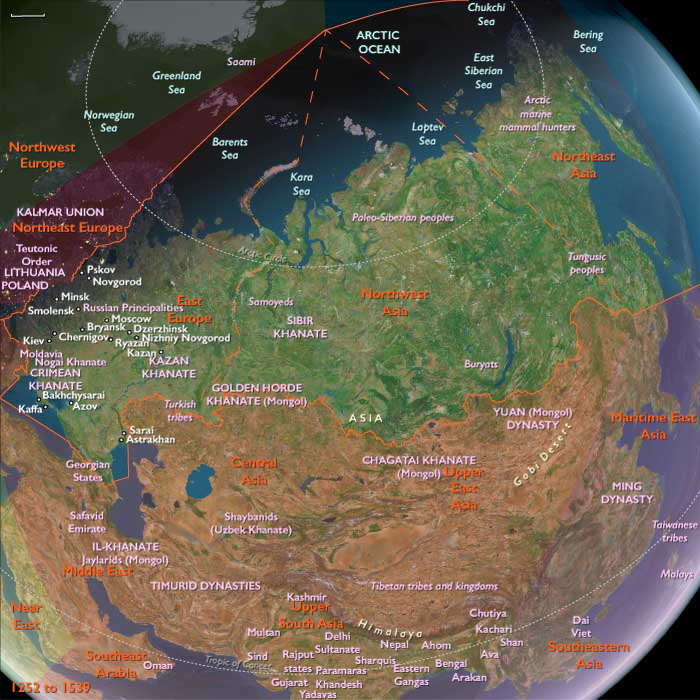 Northeastern Eurasia
Region
-
{# Image navigates to the detail page; the magnifying-glass chip is the only Fancybox lightbox trigger (kept a separate sibling — anchors can't nest). #}
 Southwest Europe
Region
-
{# Image navigates to the detail page; the magnifying-glass chip is the only Fancybox lightbox trigger (kept a separate sibling — anchors can't nest). #}
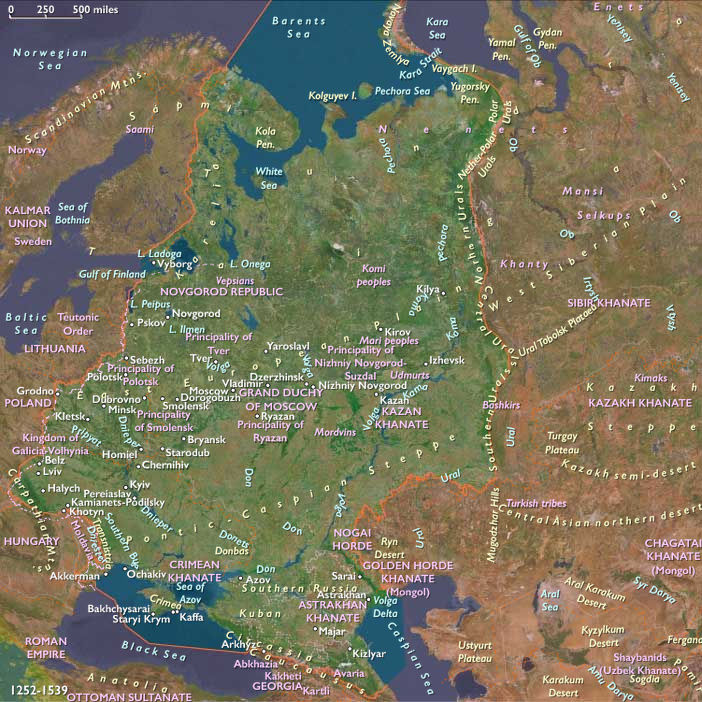 East Europe
Subregion
-
{# Image navigates to the detail page; the magnifying-glass chip is the only Fancybox lightbox trigger (kept a separate sibling — anchors can't nest). #}
 Northeast Europe
Subregion
-
{# Image navigates to the detail page; the magnifying-glass chip is the only Fancybox lightbox trigger (kept a separate sibling — anchors can't nest). #}
 East Central Europe
Subregion
-
{# Image navigates to the detail page; the magnifying-glass chip is the only Fancybox lightbox trigger (kept a separate sibling — anchors can't nest). #}
 Eastern Southeast Europe
Subregion
-
{# Image navigates to the detail page; the magnifying-glass chip is the only Fancybox lightbox trigger (kept a separate sibling — anchors can't nest). #}
 South Central Europe
Subregion
-
{# Image navigates to the detail page; the magnifying-glass chip is the only Fancybox lightbox trigger (kept a separate sibling — anchors can't nest). #}
 Mediterranean West Europe
Subregion
-
{# Image navigates to the detail page; the magnifying-glass chip is the only Fancybox lightbox trigger (kept a separate sibling — anchors can't nest). #}
 Atlantic Southwest Europe
Subregion
-
{# Image navigates to the detail page; the magnifying-glass chip is the only Fancybox lightbox trigger (kept a separate sibling — anchors can't nest). #}
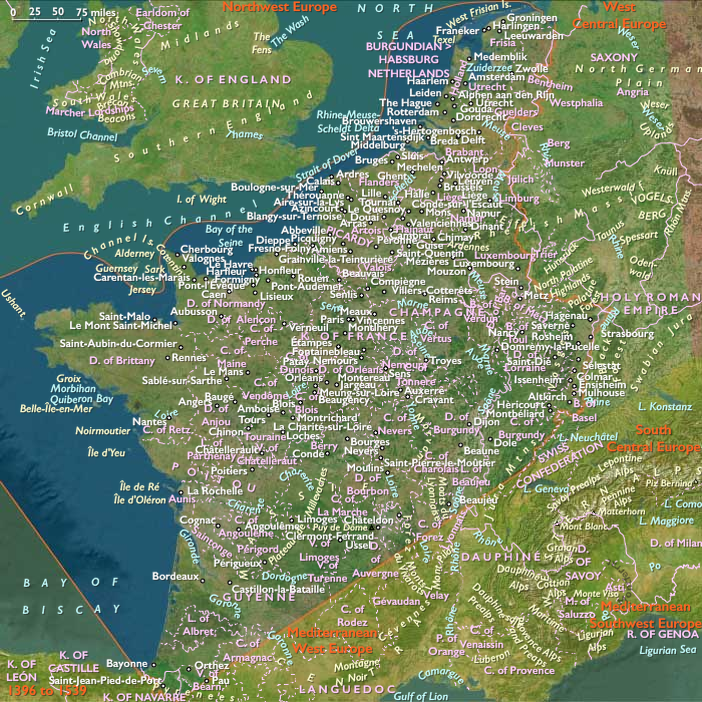 Atlantic West Europe
Subregion
-
{# Image navigates to the detail page; the magnifying-glass chip is the only Fancybox lightbox trigger (kept a separate sibling — anchors can't nest). #}
 West Central Europe
Subregion
-
{# Image navigates to the detail page; the magnifying-glass chip is the only Fancybox lightbox trigger (kept a separate sibling — anchors can't nest). #}
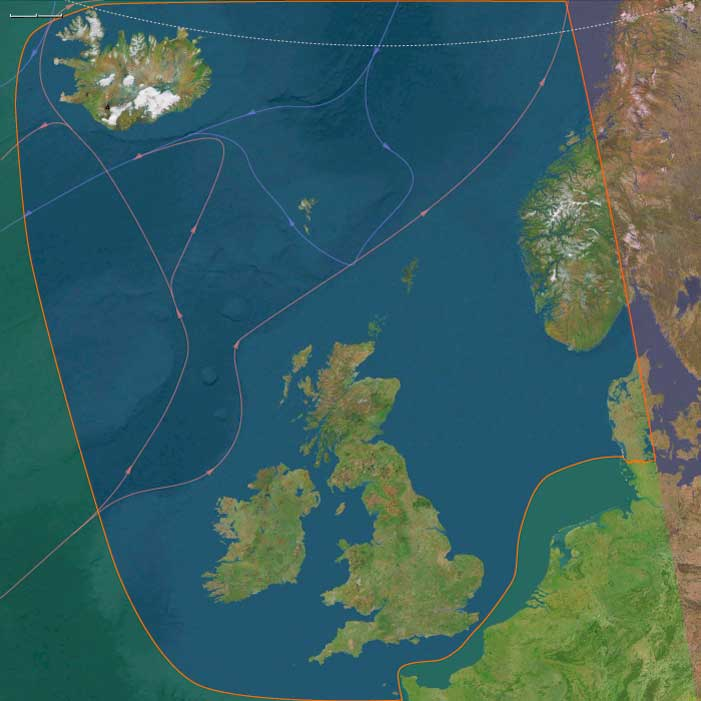 Northwest Europe
Subregion