Oil revenues do not change traditional tribal…
1828 CE to 1971 CE
Oil revenues do not change traditional tribal ideas about leadership.
New money, however, increases the influence of area leaders by giving them more resources to distribute.
Because of oil exploration, tribal boundaries become clearer, and areas are defined more precisely.
Distinctions among tribes also became more evident.
A new sense of identity appears in gulf shaykhdoms and arouses a growing expectation that they should rule themselves.
To do this, shaykhs have to cut themselves off from British control and protection.
Groups
Iranian peoples
View →
Arab people
View →
Omanis
View →
Persian people
View →
Islam
View →
Muslims, Sunni
View →
Muslims, Kharijite
View →
Muslims, Shi'a
View →
Muslims, Ibadi
View →
Ismailism
View →
Qarmatians
View →
Persia, Safavid Kingdom of
View →
Yaruba dynasty
View →
Abu Dhabi, Emirate of
View →
Ra's al-Khaymah, or Ras al-Khaimah, Emirate of
View →
Sharjah (ash-Shariqah), Emirate of
View →
Oman, Sultanate of
View →
Ajman, or 'Ujman, Emirate of
View →
Kuwait, Sheikhdom of
View →
Umm al-Qaywayn, or Umm al-Quwain, Emirate of
View →
Persia, Qajarid Kingdom of
View →
Dubai, Emirate of
View →
al-Fujayrah, or Fujairah, Emirate of
View →
Britain (United Kingdom of Great Britain and Ireland)
View →
Muscat and Oman
View →
Bahrain, British protectorate of
View →
Kuwait, British protectorate of
View →
Anglo-Persian Oil Company
View →
Standard Oil of California (Socal)
View →
Persia, Pahlavid Kingdom of
View →
Britain (United Kingdom of Great Britain and Northern Ireland)
View →
Saudi Arabia, Kingdom of
View →
Kuwait
View →
Oman, Sultanate of
View →
Commodities
Subjects
Regions
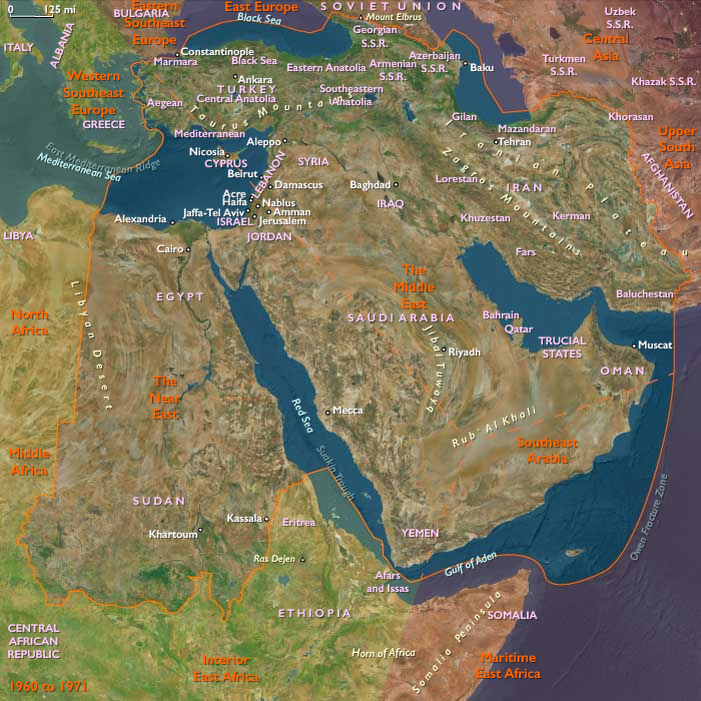
The Near and Middle East
View →Subregions