
East Central Europe (1936–1947 CE): Nazi Expansion, …
Years: 1936 - 1947
East Central Europe (1936–1947 CE): Nazi Expansion, World War II Devastation, the Holocaust, and Soviet Ascendancy
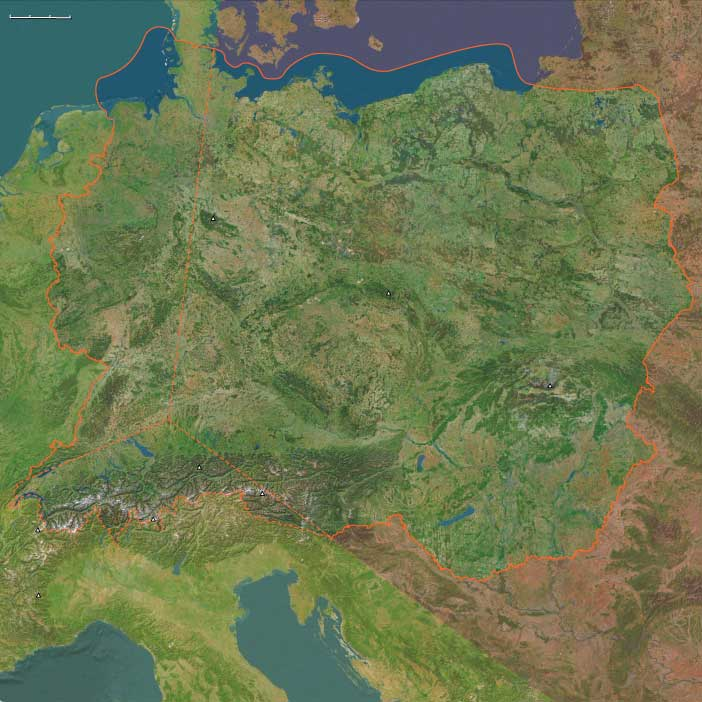
Between 1936 and 1947 CE, East Central Europe—encompassing modern-day Poland, Czechia, Slovakia, Hungary, and those portions of eastern Germany and Austria lying east of 10°E and north of the line running from roughly 48.2°N at 10°E southeastward to the Austro-Slovenian border near 46.7°N, 15.4°E—experienced some of the most catastrophic and transformative events in modern history. Marked by Nazi Germany’s aggressive territorial expansion, the devastating impacts of World War II, the unprecedented human tragedy of the Holocaust, and the subsequent Soviet occupation, this era reshaped the political, cultural, and demographic landscape of the region for generations.
Political and Military Developments
Pre-war Expansion and Annexations (1938–1939)
In March 1938, Nazi Germany annexed Austria in the Anschluss, incorporating it directly into the Third Reich. Subsequently, the Munich Agreement of September 1938 ceded the ethnically German Sudetenland from Czechoslovakia to Germany, severely weakening Czech sovereignty. By March 1939, Germany occupied the remaining Czech territories, forming the Protectorate of Bohemia and Moravia, while Slovakia was established as a nominally independent puppet state allied with Germany.
Outbreak and Course of World War II (1939–1945)
World War II erupted on September 1, 1939, with Germany’s invasion of Poland, quickly followed by a Soviet invasion from the east. Poland was partitioned between Nazi Germany and the Soviet Union, initiating brutal occupations characterized by systematic oppression, forced labor, mass executions, and ruthless exploitation.
The Holocaust and Genocidal Policies (1941–1945)
From 1941, Nazi Germany conducted the Holocaust, the systematic extermination of approximately six million European Jews, including nearly the entirety of Polish and Hungarian Jewry, as well as millions of Romani people, disabled individuals, and Slavic civilians. Infamous extermination camps, such as Auschwitz-Birkenau in occupied Poland, became symbols of this unprecedented atrocity.
Resistance and Liberation (1944–1945)
Significant resistance movements emerged, notably the Polish Home Army (Armia Krajowa), Czechoslovak partisans, and Hungarian underground groups, each actively engaging German forces and conducting sabotage and intelligence operations. Starting in 1944, Soviet armies advanced westward, liberating occupied territories but imposing Soviet-aligned communist regimes as they progressed.
Post-war Territorial Realignments and Population Transfers (1945–1947)
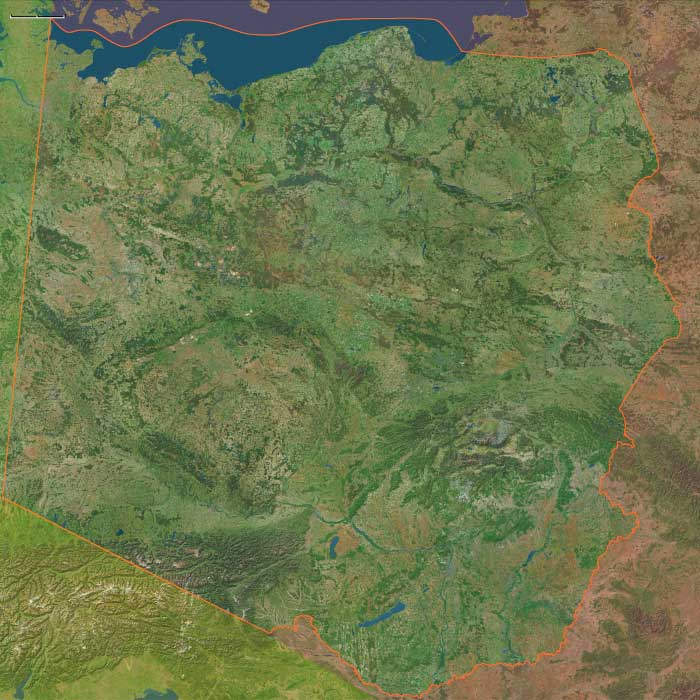
With Germany’s defeat in May 1945, substantial territorial realignments reshaped East Central Europe. Poland’s borders shifted significantly westward, incorporating former German territories such as Silesia, Pomerania, and southern East Prussia. Millions of ethnic Germans were forcibly expelled westward from Poland, Czechoslovakia, and Hungary, dramatically altering the region’s demographic composition.
Soviet Dominance and Communist Regimes (1945–1947)
By 1947, Soviet influence firmly established communist governments in Poland, Hungary, and Czechoslovakia, embedding East Central Europe within the emerging Eastern Bloc and initiating a new era of political repression, ideological control, and alignment with Soviet geopolitical objectives.
Economic and Technological Developments
-
Severe wartime devastation disrupted agriculture, industry, and infrastructure across the region.
-
Post-war reconstruction was heavily influenced by Soviet economic policies, focusing on industrialization, collectivization, and centralized economic planning.
Cultural and Social Developments
-
Wartime atrocities decimated the region’s Jewish communities, intellectuals, and cultural elites, leaving enduring scars and reshaping cultural identities.
-
Post-war communist regimes implemented policies of censorship, ideological control, and the transformation of education and cultural institutions along Soviet models.
Long-Term Consequences and Historical Significance
The era 1936–1947 dramatically altered East Central Europe, profoundly affecting its demographic, political, economic, and cultural trajectories. Nazi aggression, the horrors of the Holocaust, and Soviet occupation laid the groundwork for the region’s subsequent Cold War division, influencing its development for the remainder of the twentieth century and beyond.
If this meets your approval, we can continue to the next era.
Groups
- Jews
- Hungarian people
- Slavs, South
- Romani people
- Poles (West Slavs)
- Czechs [formerly Bohemians] (West Slavs)
- Slovaks (West Slavs)
- Christians, Roman Catholic
- Hungary, Kingdom of
- Saxony, Prussian Province of
- Austria, (First) Republic of
- Czechoslovakia
- Saxony, German State of
- Poland, Second Republic of
- Hungary, Democratic Republic of
- Bavaria, Free State of
- Hungary, Kingdom of
- Union of Soviet Socialist Republics (USSR), or Soviet Union
- Germany, Third Reich
- Austria, Allied-occupied
- Bavaria, U.S.-occupied
- Czechoslovakia (restored)
- Saxony-Anhalt, German State of
- Poland, Republic of
- Saxony, Lower, German Federal State of
- Hungary, Republic of
Topics
Subjects
Regions
Subregions
Years: 1936 - 1947
Groups
- Jews
- Hungarian people
- Slavs, South
- Romani people
- Poles (West Slavs)
- Czechs [formerly Bohemians] (West Slavs)
- Slovaks (West Slavs)
- Christians, Roman Catholic
- Hungary, Kingdom of
- Saxony, Prussian Province of
- Austria, (First) Republic of
- Czechoslovakia
- Saxony, German State of
- Poland, Second Republic of
- Hungary, Democratic Republic of
- Bavaria, Free State of
- Hungary, Kingdom of
- Union of Soviet Socialist Republics (USSR), or Soviet Union
- Germany, Third Reich
- Austria, Allied-occupied
- Bavaria, U.S.-occupied
- Czechoslovakia (restored)
- Saxony-Anhalt, German State of
- Poland, Republic of
- Saxony, Lower, German Federal State of
- Hungary, Republic of
Topics
Subjects
Regions
Subregions