
East Europe (333–190 BCE): Scythian Decline and …
Years: 333BCE - 190BCE
East Europe (333–190 BCE): Scythian Decline and the Rise of Sarmatians
Political and Military Developments
Decline of Scythian Dominance
Between 333 and 190 BCE, the Scythian influence, dominant in previous centuries, began to decline due to internal divisions, external pressures, and intensified competition with rising tribal powers. Increasingly fragmented, their territories shrank significantly, confined primarily to regions closer to the Crimean Peninsula.
Ascendancy of the Sarmatians
The period saw the rise of the Sarmatians, Iranian-speaking nomadic tribes from Central Asia who expanded westward into the Pontic–Caspian steppe. Their martial prowess and organizational strength gradually displaced the Scythians, and they became the new dominant nomadic force in the region.
Economic and Technological Developments
Transition in Trade Networks
As Scythian control weakened, trade networks experienced shifts in influence. The Sarmatians capitalized on existing trade routes, maintaining connections with Greek colonies and further eastward, reinforcing their economic strength through continued exchanges of metals, textiles, and luxury goods.
Advancements in Cavalry and Warfare
The Sarmatians introduced advanced cavalry tactics and weaponry innovations, notably their heavy armored cavalry. Their enhanced military technology became influential in shaping subsequent warfare practices throughout Eurasia.
Cultural and Artistic Developments
Emergence of Sarmatian Artistic Styles
Building upon the established Scythian artistic legacy, the Sarmatians developed their distinctive style characterized by intricate designs in metalwork and jewelry, featuring animal motifs alongside symbolic elements that reflected their Central Asian origins.
Continuity and Change in Greek Cultural Influence
Cultural interactions with Greek colonies continued, with sustained exchanges influencing Sarmatian art and material culture. The hybridization of Greek and Iranian artistic traditions was evident, particularly in elite Sarmatian burial sites.
Settlement Patterns and Urban Development
Expansion of Permanent Settlements
The decline of nomadic dominance prompted increased stability and the further establishment of fortified settlements and semi-urban communities, particularly along key trade routes and near strategic locations such as river crossings and resource-rich areas.
Influence of Zarubintsy and Przeworsk Cultures
The archaeological presence of the Zarubintsy and early Przeworsk cultures grew significantly during this period. Their settlements and distinctive ceramic styles marked a notable cultural development in northern regions, highlighting an increased sedentary lifestyle.
Social and Religious Developments
Evolution of Social Structures
Sarmatian society was structured similarly to that of their Scythian predecessors, with warrior elites displaying wealth and power through elaborate burials, rich grave goods, and extensive use of ornate weaponry. Tribal leadership and hierarchical structures became more pronounced.
Religious Practices and Syncretism
Religious traditions continued to center around shamanistic practices, ancestor worship, and animal symbolism, with additional influences from Greek and Eastern Iranian traditions. These syncretic practices were reflected in burial customs and religious artifacts.
Long-Term Consequences and Historical Significance
The era from 333 to 190 BCE marked a transitional phase in East Europe’s historical landscape, characterized by the decline of Scythian power and the emergence of Sarmatian dominance. These developments reshaped political, economic, and cultural trajectories, paving the way for future interactions between nomadic tribes and sedentary communities, thus significantly influencing the region’s subsequent historical evolution.
Groups
- Polytheism (“paganism”)
- Slavs, Proto-
- Chernoles culture
- Maeotians
- Greece, classical
- Scythians, or Sakas
- Sindi
- Bosporan Kingdom
- Sarmatians
- Zarubintsy culture
- Przeworsk culture
Topics
- Younger Subboreal Period
- Iron Age Europe
- Greek colonization, First
- Greek colonization
- Iron Age Cold Epoch
- Classical antiquity
Commodoties
- Weapons
- Hides and feathers
- Gem materials
- Domestic animals
- Grains and produce
- Ceramics
- Strategic metals
- Slaves
- Sweeteners
- Beer, wine, and spirits
Subjects
Regions
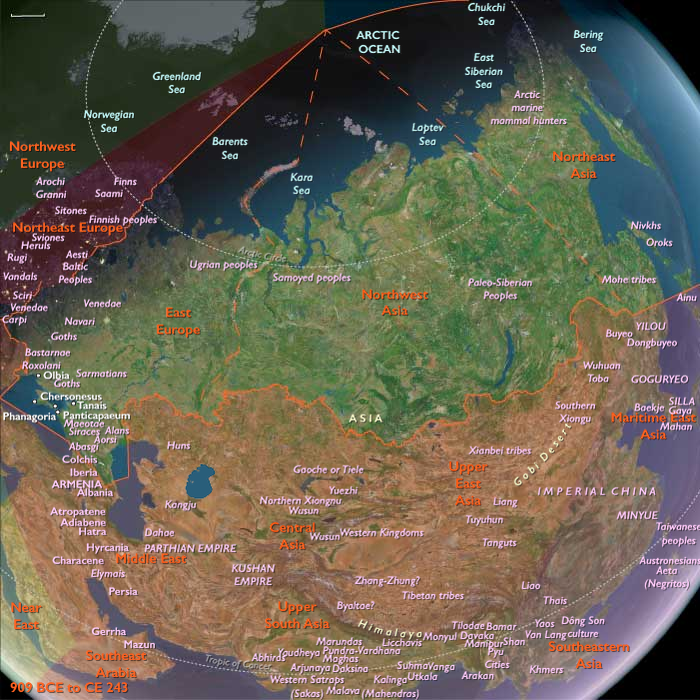
Subregions
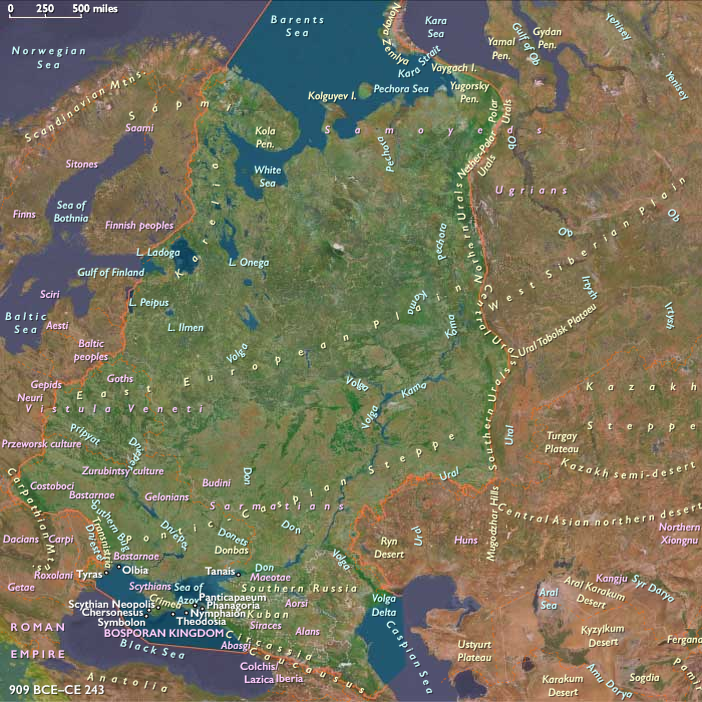
Related Events
Showing 10 events out of 64522 total
Years: 333BCE - 190BCE
Groups
- Polytheism (“paganism”)
- Slavs, Proto-
- Chernoles culture
- Maeotians
- Greece, classical
- Scythians, or Sakas
- Sindi
- Bosporan Kingdom
- Sarmatians
- Zarubintsy culture
- Przeworsk culture
Topics
- Younger Subboreal Period
- Iron Age Europe
- Greek colonization, First
- Greek colonization
- Iron Age Cold Epoch
- Classical antiquity
Commodoties
- Weapons
- Hides and feathers
- Gem materials
- Domestic animals
- Grains and produce
- Ceramics
- Strategic metals
- Slaves
- Sweeteners
- Beer, wine, and spirits
Subjects
Regions
Subregions