
East Europe (820 – 963 CE): Varangian …
Years: 820 - 963
East Europe (820 – 963 CE): Varangian Routes, Khazar Gateways, and the Making of Rus’
Geographic and Environmental Context
East Europe includes Belarus, Ukraine, the European portion of Russia, and the sixteen Russian republics west of the Urals.
-
A vast transition from northern taiga and mixed forests to southern forest-steppe and Pontic steppe, threaded by great rivers—the Dnieper, Volga, Dvina, Oka, and Don.
-
Major nodes formed along portage chains between the Baltic, Caspian, and Black Sea basins, especially at Novgorod, Smolensk, Kiev, and Volga Bulgar markets.
Climate and Environmental Shifts
-
A cool–temperate regime prevailed; by the mid-10th century the onset of the Medieval Warm Period (c. 950–1250) modestly lengthened growing seasons in the forest-steppe.
-
Flood pulses on the Dnieper and Volga structured seasonal travel; winter freeze created over-ice corridors for sled transport.
Societies and Political Developments
-
Varangians and Tribal Unions (9th c.): Scandinavian merchant-warriors (Varangians) entered forest trade routes, installing ruling groups among Slavic and Finnic unions—Krivichs, Drevlians, Severians, Radimichs, Vyatichs, and others.
-
Rurik and Oleg: Tradition places Rurik at Novgorod (862); his kinsman Oleg seized Kiev (882), uniting the “route from the Varangians to the Greeks.” Kiev became the core of Kievan Rus’, extracting tribute from neighboring tribes and mediating steppe diplomacy.
-
Khazar Khaganate: The Khazars controlled the lower Volga–Don and Caspian Gate, taxing trade between the steppe and Islamic markets; their elite adopted Judaism (9th c.). Rus’ princes alternately paid tribute, raided Khazar towns, and competed for Volga access.
-
Volga Bulgars: A commercial polity at the Volga–Kama confluence; conversion to Islam (922) under Almış tied them to the Samanid economy.
-
Steppe Frontiers: After c. 895 the Magyars moved into the Carpathian Basin; Pechenegs replaced them on the Pontic steppe, pressuring Rus’ river traffic and Sarmatian corridors.
-
Byzantine Relations: Rus’ raids on Constantinople (notably 860) gave way to treaties (907/911 per later compilations), regulating trade duties and mercenary service.
Economy and Trade
-
Exports: high-value furs, wax, honey, slaves, and falcons moved south on river craft; iron swords and worked amber moved internally along forest routes.
-
Imports: Byzantine silk, wine, fine metalwork via the Dnieper; Samanid silver dirhams, glassware, and textiles via the Volga.
-
Monetization: massive inflows of Samanid dirhams fueled a hack-silver economy; coin hoards appear from Ladoga/Novgorod to the middle Dnieper and upper Volga.
-
Kiev and Novgorod functioned as hinge markets, auditing tolls and tribute before goods crossed portages toward Cherson and Constantinople, or toward Volga Bulgar and the Caspian.
Subsistence and Technology
-
Agriculture: forest-steppe communities practiced plow agriculture (millet, rye, wheat) with slash-and-burn in the forest zone; stock-keeping expanded in river meadows.
-
Crafts: iron tools, plows, and broad-seax blades; antler combs, bone skates, glass beads; early urban smithies in Ladoga, Novgorod, Kiev.
-
River boats: light dugouts and plank-built craft—monoxyla—ported between watersheds; winter travel used sleds over frozen rivers.
-
Fortifications: earthen ramparts and timber palisades ringed hillforts (gorodishche); princes maintained druzhina (retinues) of armored cavalry and river fighters.
Movement and Interaction Corridors
-
“From the Varangians to the Greeks”: the Dvina–Dnieper and Volkhov–Dnieper chains funneled Baltic goods to the Black Sea; the Dnieper porohy (rapids) demanded portage and escorts through Pecheneg country.
-
Volga Route: Ladoga/Novgorod → Volga → Volga Bulgar → Khazaria → Caspian, connecting to Samanid markets in Gurgān and Tabaristan.
-
Forest Portages: Smolensk, Rzhev, and Gorodets nodalized crossings between upper river systems, creating dense hub-and-spoke exchanges.
Belief and Symbolism
-
Slavic paganism (Perun, Veles), Finnic and Baltic animisms, and Norse cults coexisted among Varangian elites and local communities; shrines and sacred groves sacralized hilltops and river bends.
-
Khazars patronized Judaism at court; Volga Bulgars normalized Islamic law and markets after 922.
-
Christianity: Byzantine missions influenced Crimea and lower Dnieper; individual baptisms occurred among elites, but mass conversion of Rus’ came later (988).
Adaptation and Resilience
-
Dual-route strategy (Dnieper + Volga) hedged against steppe raids and political tolls; when Pechenegs blocked the Dnieper, merchants shifted to the Volga.
-
Seasonal logistics—summer navigation, winter sled freight—smoothed transport risk; caches and fortified gorodishche protected goods and people.
-
Tribute diplomacy balanced payments to Khazars and Pechenegs with punitive raids and alliances, keeping corridors open.
-
Urban niches (Ladoga, Novgorod, Kiev) developed storage, craft specialization, and legal customs for foreign merchants, stabilizing long-distance exchange.
Long-Term Significance
By 963 CE, East Europe had coalesced into a river-route commonwealth under emerging Kievan Rus’, framed by Khazar gatekeeping on the Caspian and Byzantine markets on the Black Sea.
-
Silver-driven commerce integrated forest, steppe, and sea;
-
Tribal unions and Varangian retinues forged the institutions of Rus’ rulership;
-
Volga Bulgar Islam and Khazar Judaism embedded the region in wider religious economies.
On the eve of the next age, Sviatoslav’s campaigns (from 964) would crack Khazar hegemony, Pecheneg pressure would intensify, and the Dnieper metropolis of Kiev would begin its ascent toward high-medieval preeminence.
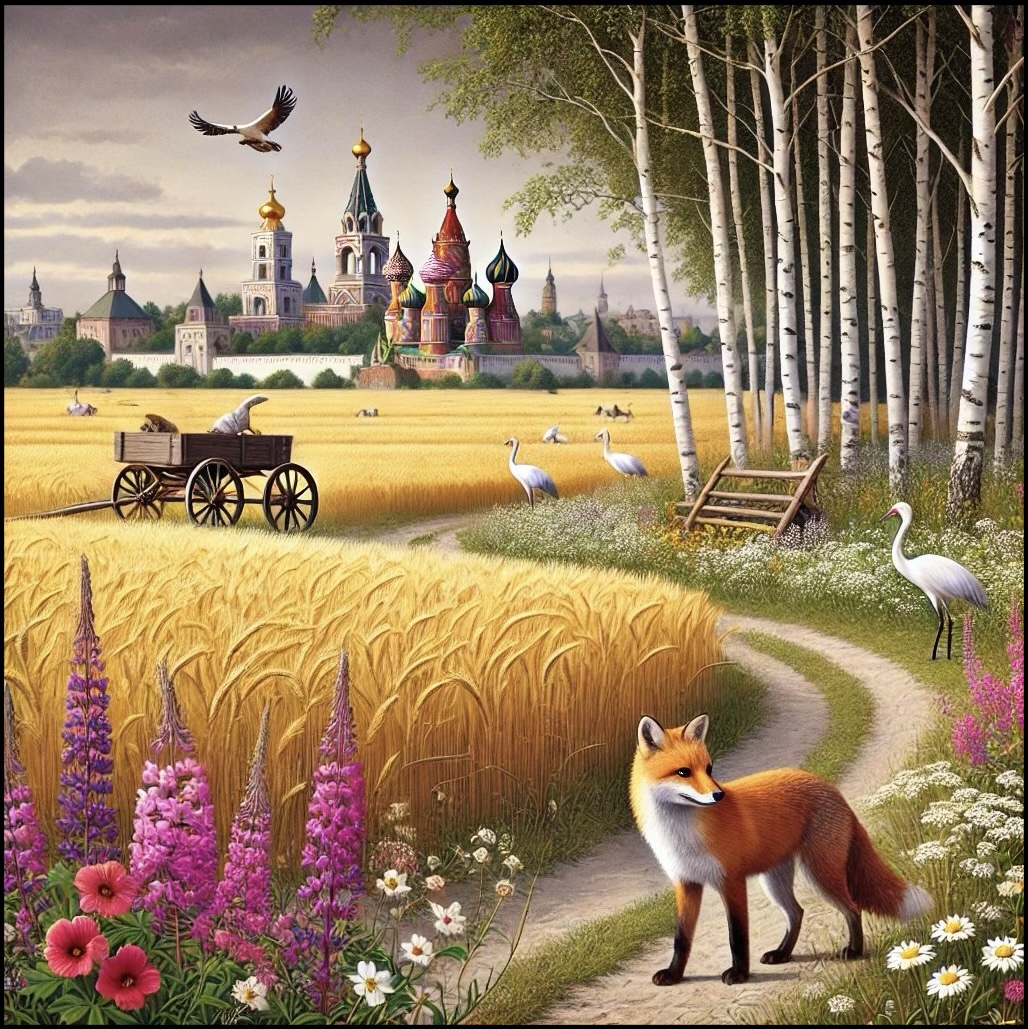
East Europe (with civilization) ©2024-25 Electric Prism, Inc. All rights reserved.
People
Groups
- Polytheism (“paganism”)
- Jews
- Hungarian people
- Onoghurs
- Slavs, East
- Christianity, Chalcedonian
- Krivichs
- Drevlyans
- Kutrigurs
- Islam
- Muslims, Sunni
- Khazar Khaganate
- Novgorod Slavs
- Volga Bulgaria, or Volga-Kama Bulgaria
- Varangians
- Rus' Khaganate
- Roman Empire, Eastern: Non-dynastic
- Samanid dynasty
- Pechenegs, or Patzinaks
- Severians
- Khazar Khaganate
- Vyatichs
- Hungarians, Realm of the (Etelköz)
- Volhynians (East Slavic tribe)
- Roman Empire, Eastern: Phrygian or Armorian dynasty
- Radimichs
- Rus' people
- Roman Empire, Eastern: Macedonian dynasty
- Kievan Rus', or Kiev, Great Principality of
- Drevlyans
Topics
- Rus'-Byzantine War of 860
- Rus'-Byzantine War (941)
- Medieval Warm Period (MWP) or Medieval Climate Optimum
Commodoties
- Weapons
- Hides and feathers
- Gem materials
- Domestic animals
- Oils, gums, resins, and waxes
- Grains and produce
- Textiles
- Ceramics
- Strategic metals
- Slaves
- Sweeteners
- Beer, wine, and spirits
- Money
Subjects
Regions
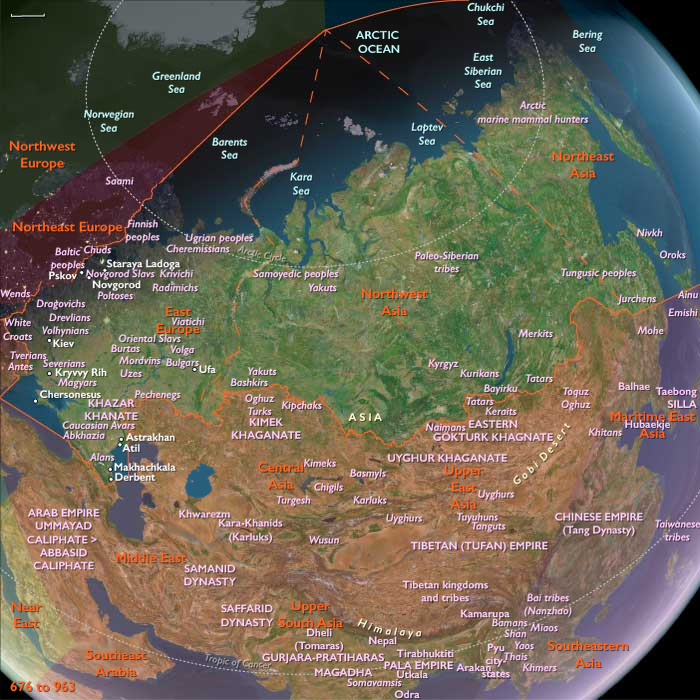
Subregions
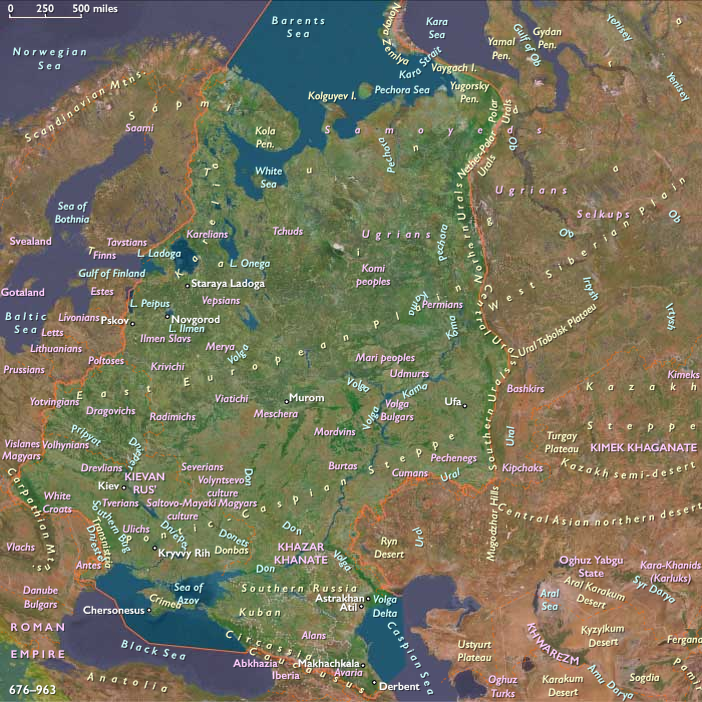
Years: 820 - 963
East Europe (with civilization) ©2024-25 Electric Prism, Inc. All rights reserved.
People
Groups
- Polytheism (“paganism”)
- Jews
- Hungarian people
- Onoghurs
- Slavs, East
- Christianity, Chalcedonian
- Krivichs
- Drevlyans
- Kutrigurs
- Islam
- Muslims, Sunni
- Khazar Khaganate
- Novgorod Slavs
- Volga Bulgaria, or Volga-Kama Bulgaria
- Varangians
- Rus' Khaganate
- Roman Empire, Eastern: Non-dynastic
- Samanid dynasty
- Pechenegs, or Patzinaks
- Severians
- Khazar Khaganate
- Vyatichs
- Hungarians, Realm of the (Etelköz)
- Volhynians (East Slavic tribe)
- Roman Empire, Eastern: Phrygian or Armorian dynasty
- Radimichs
- Rus' people
- Roman Empire, Eastern: Macedonian dynasty
- Kievan Rus', or Kiev, Great Principality of
- Drevlyans
Topics
- Rus'-Byzantine War of 860
- Rus'-Byzantine War (941)
- Medieval Warm Period (MWP) or Medieval Climate Optimum
Commodoties
- Weapons
- Hides and feathers
- Gem materials
- Domestic animals
- Oils, gums, resins, and waxes
- Grains and produce
- Textiles
- Ceramics
- Strategic metals
- Slaves
- Sweeteners
- Beer, wine, and spirits
- Money
Subjects
Regions
Subregions