East Polynesia (1540–1683 CE): Continuity in Isolation…
1540 CE to 1683 CE
East Polynesia (1540–1683 CE): Continuity in Isolation and the Weight of Monumental Landscapes
Geographic & Environmental Context
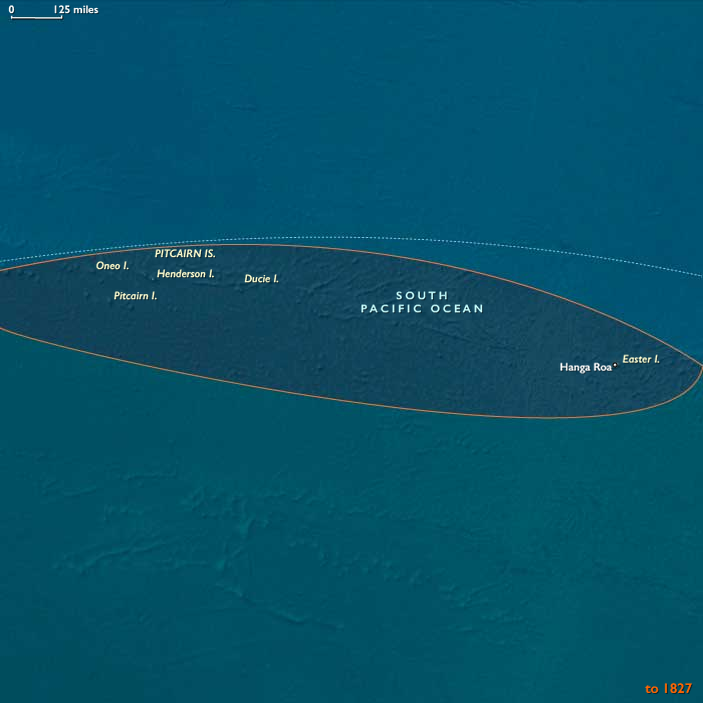
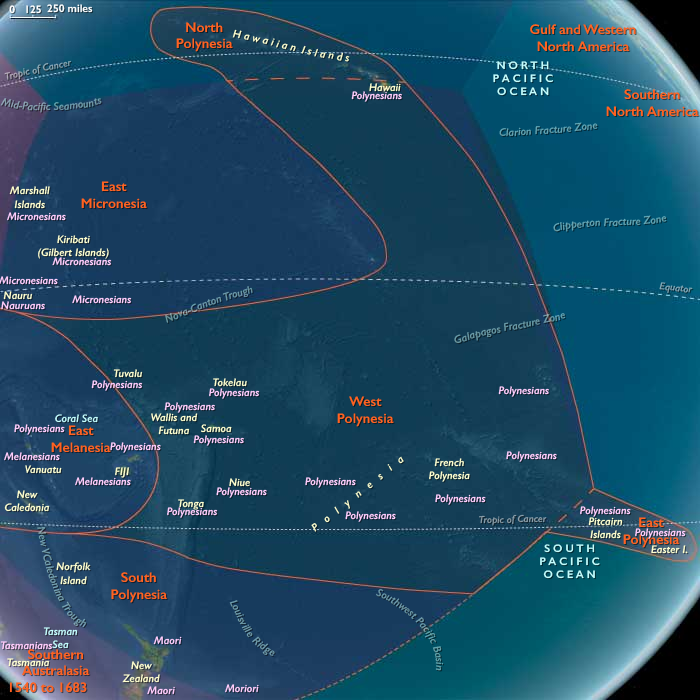
The subregion of East Polynesia includes Rapa Nui (Easter Island) and the Pitcairn Islands (Pitcairn, Henderson, Ducie, Oeno). Anchors included the quarries of Rano Raraku, the ahu-lined coasts of Rapa Nui, and the uplifted limestone plateau of Henderson, alongside the small volcanic terrain of Pitcairn and low coral cays Ducie and Oeno. Still among the most remote human settlements on Earth, these islands stood apart from central Polynesian voyaging networks.
Climate & Environmental Shifts
The Little Ice Age persisted, bringing irregular rainfall and drought periods on Rapa Nui. Henderson and Ducie remained fragile, with water scarcity worsening in drier decades. Cyclonic waves occasionally inundated low atolls. Cool seas altered fishing yields, while thin soils on Rapa Nui demanded ever more intensive field management.
Subsistence & Settlement
-
Rapa Nui: Communities expanded rock-mulched gardens, cultivating sweet potato, yams, taro (in wetter pockets), and gourds. Chickens were corralled in stone pens. Fishing and shellfish harvests diversified diets, though offshore voyaging declined.
-
Pitcairn group: Pitcairn’s volcanic soils supported small settlements with root crops and tree crops, supplemented by reef fishing. Henderson, with scarce fresh water, likely hosted intermittent habitation or resource expeditions. Ducie and Oeno were used for seasonal seabirding and marine foraging.
Technology & Material Culture
Rapa Nui stoneworkers quarried and moved colossal moai, raising them on ceremonial platforms (ahu). Levering, rolling, and rope coordination exemplified ingenuity under resource constraints. Domestic features included hare paenga (boat-shaped houses) and extensive stone garden mulching. In the Pitcairn group, adzes, fishhooks, and voyaging canoes reflected Polynesian traditions adapted to small, isolated communities.
Movement & Interaction Corridors
Canoe corridors on Rapa Nui tied coastal villages to inland gardens and ceremonial centers. Ritual expeditions to Orongo linked elites to the seasonal seabird cycle, prefiguring the tangata manu (birdman) cult. Inter-island voyaging among Pitcairn, Henderson, Ducie, and Oeno was intermittent, constrained by water scarcity and rough seas, but ensured exchange of stone, shells, and food resources.
Cultural & Symbolic Expressions
On Rapa Nui, lineages reinforced prestige through moai construction, dramatizing ancestral presence in stone. The ahuceremonial landscape expanded, binding kinship and political legitimacy. The tangata manu ritual grew in prominence, shifting political focus to seasonal contests at Orongo. In the Pitcairn group, oral traditions and shrines maintained cosmological ties, with seabirds, fish, and stars framing ritual time.
Environmental Adaptation & Resilience
Rapa Nui’s people adapted with intensified lithic mulching, stone windbreaks, and chicken husbandry to compensate for declining timber. They diversified fishing strategies and relied on cooperative labor in farming and building. Pitcairn and Henderson inhabitants adjusted settlement scales to water availability, combining cultivation with marine and bird resources. Resilience was cultural as well as ecological: ritual, lineage cooperation, and oral memory reinforced survival.
Transition
By 1683 CE, East Polynesia had entered a phase of acute ecological and social strain. Rapa Nui’s ahu and moai testified to enduring devotion but also to heavy labor under resource stress. The Pitcairn cluster remained small, vulnerable, and sparsely settled. Isolation had deepened into permanence, leaving these easternmost Polynesian worlds outside major Pacific circuits—yet poised for the upheavals of contact when Europeans eventually arrived.
Images

East Polynesia (with civilization) ©2024-25 Electric Prism, Inc. All rights reserved.
Groups
Topics
Commodities
Subjects
Regions
Polynesia
View →Subregions