
Eastern Southeast Europe (316–327 CE): Consolidation, Religious …
Years: 316 - 327
Eastern Southeast Europe (316–327 CE): Consolidation, Religious Transformation, and Imperial Authority
Settlement and Migration Patterns
Frontier Stabilization
From 316 to 327 CE, the Roman frontiers in Eastern Southeast Europe experienced relative stability due to effective military and diplomatic measures implemented by Emperor Constantine the Great. Enhanced fortifications and vigilant defenses along the Danube significantly mitigated external incursions, allowing populations in frontier provinces to resettle and stabilize.
Strengthened Urban Centers
Urban areas such as Serdica (modern Sofia), Philippopolis (Plovdiv), and Constantinople experienced renewed population growth and infrastructural development. Constantine invested substantially in urban renewal, reinforcing cities as administrative, economic, and cultural hubs.
Economic and Technological Developments
Economic Revival and Trade Expansion
Economic conditions markedly improved due to Constantine’s administrative and fiscal reforms, stabilizing taxation, and stimulating regional trade. Eastern Southeast Europe's urban economies flourished, benefiting significantly from enhanced trade networks linking Constantinople with Europe and Asia Minor.
Infrastructure and Urban Development
The era witnessed substantial infrastructure development, including expanded road networks, fortification enhancements, and the construction of new public buildings and aqueducts. Urban centers saw notable improvements, reflecting imperial authority and commitment to regional stability.
Cultural and Artistic Developments
Christian Architectural Expansion
The growing prominence of Christianity under Constantine led to increased construction of religious structures, including basilicas and churches. Architectural innovation was evident in urban centers, marked notably by early Christian basilicas in cities like Serdica and Philippopolis, significantly influencing regional architectural traditions.
Artistic Patronage and Iconography
Imperial and local patronage fostered cultural vibrancy, with public art and religious iconography prominently featuring Christian themes alongside classical motifs. Frescoes, mosaics, and sculptures increasingly depicted Christian symbolism, reflecting evolving religious and cultural identity.
Social and Religious Developments
Establishment of Christianity
Christianity experienced decisive imperial favor under Constantine, culminating notably with the Edict of Milan (313 CE), which formally legalized Christianity throughout the Roman Empire. This policy fostered rapid expansion of Christian communities, significantly reshaping regional social dynamics and religious identity.
Social Integration and Imperial Influence
Constantine’s reforms facilitated greater integration of local elites into Roman administrative structures, consolidating imperial authority throughout Eastern Southeast Europe. Social mobility increased, with local aristocracies participating actively in provincial governance and imperial administration.
Long-Term Consequences and Historical Significance
The period from 316 to 327 CE was transformative for Eastern Southeast Europe, characterized by frontier stabilization, economic revitalization, profound religious transformation, and strengthened imperial authority. Constantine’s reforms and patronage established enduring foundations for the region’s historical and cultural trajectory, particularly through the decisive rise of Christianity and the consolidation of imperial governance.
People
Groups
- Dacians, or Getae, or Geto-Dacians
- Transylvania, region of
- Sarmatians
- Alans (Sarmatian tribal grouping)
- Macedonia, Roman
- Thrace, Theme of
- Gepids (East Germanic tribe)
- Goths (East Germanic tribe)
- Christians, Early
- Thracia (Roman province)
- Moesia Inferior (Roman province)
- Dacia, Roman
- Huns
- Roman Empire: Tetrarchy
- Christianity, Nicene
Topics
Commodoties
Subjects
Regions
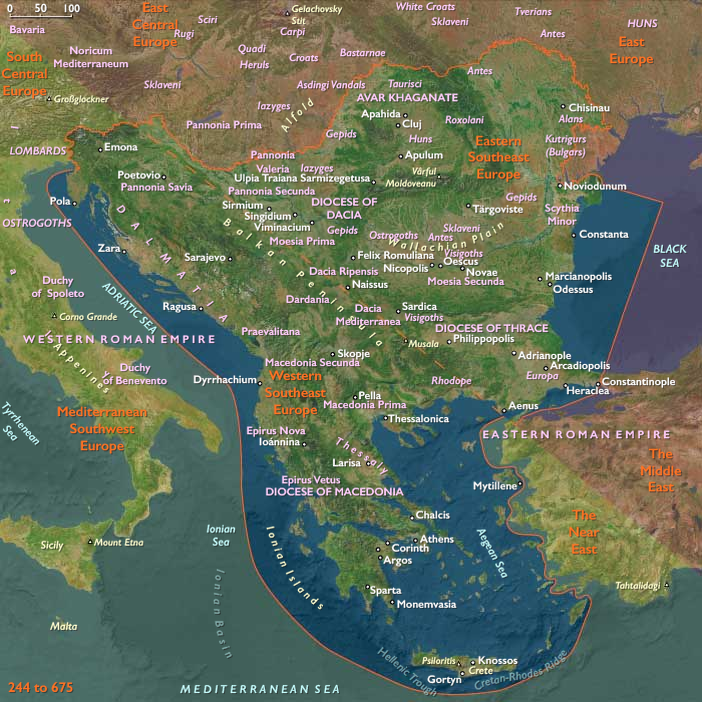
Subregions
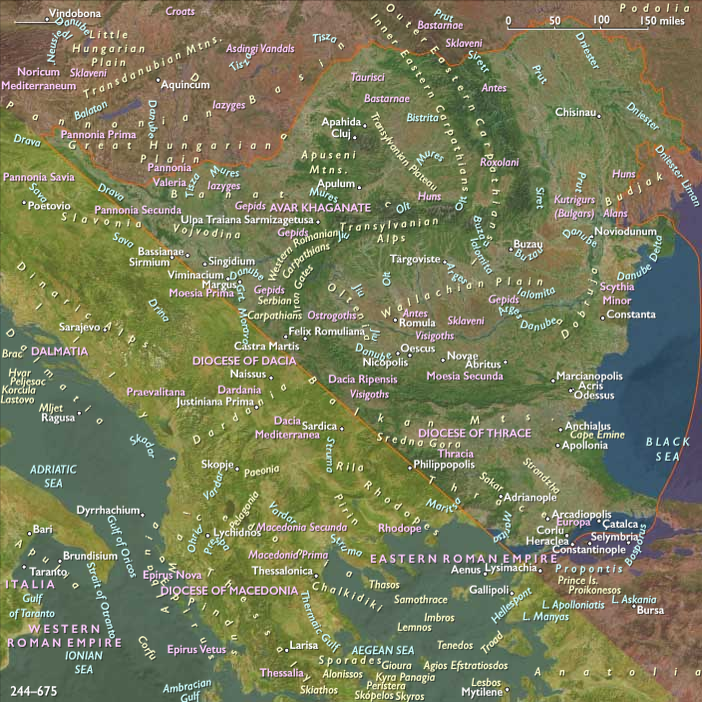
Years: 316 - 327
People
Groups
- Dacians, or Getae, or Geto-Dacians
- Transylvania, region of
- Sarmatians
- Alans (Sarmatian tribal grouping)
- Macedonia, Roman
- Thrace, Theme of
- Gepids (East Germanic tribe)
- Goths (East Germanic tribe)
- Christians, Early
- Thracia (Roman province)
- Moesia Inferior (Roman province)
- Dacia, Roman
- Huns
- Roman Empire: Tetrarchy
- Christianity, Nicene
Topics
Commodoties
Subjects
Regions
Subregions