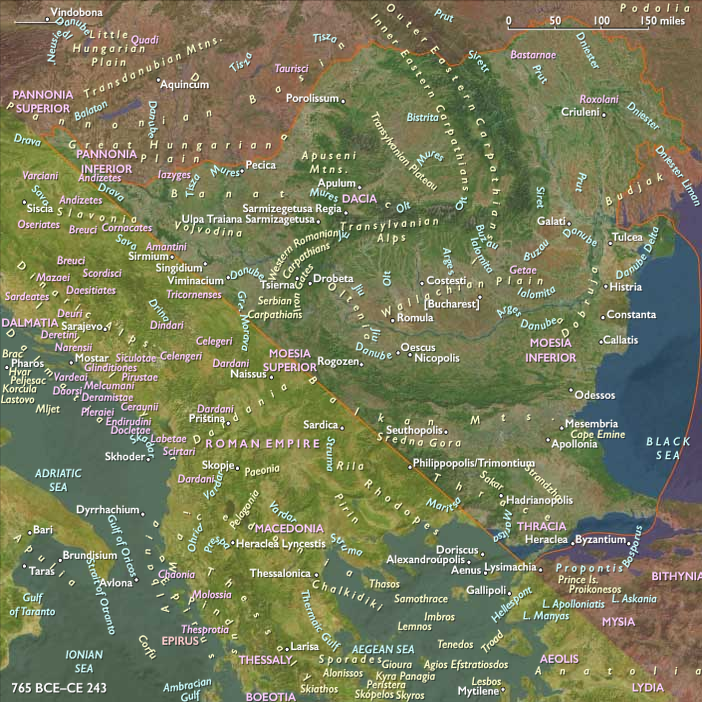
Eastern Southeast Europe (765–622 BCE): Expansion, Conflict,…
765 BCE to 622 BCE
Eastern Southeast Europe (765–622 BCE): Expansion, Conflict, and Cultural Synthesis
Settlement and Migration Patterns
Continued Thracian Dominance
Between 765 and 622 BCE, Thracian influence remained prominent, with communities further expanding their territories throughout present-day Bulgaria, Romania, and northern Greece. Their fortified settlements and structured chiefdoms supported regional stability and cultural unity.
Intensification of Greek Colonization
Greek colonization efforts intensified significantly, establishing numerous settlements along the Aegean and Black Sea coasts. Prominent colonies such as Byzantium (later Constantinople, now Istanbul), Megara Hyblaea, Chalcedon, and other sites became major hubs of trade, cultural exchange, and political power.
Economic and Technological Developments
Expansion of Maritime Trade Networks
This era saw substantial growth in maritime trade, linking Greek colonies, Thracian territories, and broader Mediterranean civilizations. Commodities such as grain, wine, olive oil, timber, precious metals, and other goods circulated extensively, enriching local economies and opening new markets.
Advanced Metallurgy and Craftsmanship
Metallurgical techniques evolved further, producing higher-quality bronze goods and introducing early ironworking technologies. The period saw remarkable achievements in metalwork and pottery, reflecting increased sophistication and variety in craftsmanship.
Cultural and Artistic Developments
Thracian Artistic Flourishing
Thracian artistry reached new heights of refinement, evident in intricate metal artifacts, elaborate ceramics, and monumental tumulus burials. Their distinctive aesthetic significantly influenced neighboring cultures and subsequent artistic traditions.
Emergence of Classical Greek Elements
Greek artistic traditions matured, blending indigenous Thracian motifs with increasingly sophisticated Greek styles. Early examples of classical Greek pottery, sculpture, and architecture emerged, especially prominent in newly established colonies such as Byzantium.
Social and Religious Developments
Complex Socio-Political Structures
Political complexity intensified within Thracian and Greek communities, characterized by organized governance frameworks, structured leadership roles, and formalized alliances. These political entities effectively managed internal affairs and external diplomatic relations.
Religious Syncretism and Evolution
Religious practices developed further, incorporating elements of Thracian and Greek spiritual traditions. Prominent religious sanctuaries and ceremonial sites were established, supporting communal cohesion and facilitating intercultural interactions.
Long-Term Consequences and Historical Significance
From 765 to 622 BCE, Eastern Southeast Europe underwent profound transformations marked by territorial expansion, economic prosperity, cultural synthesis, and political sophistication. These developments created essential foundations for the subsequent historical trajectory, deeply influencing the region's cultural and political landscape.
Commodities
Subjects
Regions
Southeast Europe
View →Subregions