Event
Europeans’ century-long presence in Japan ends in…
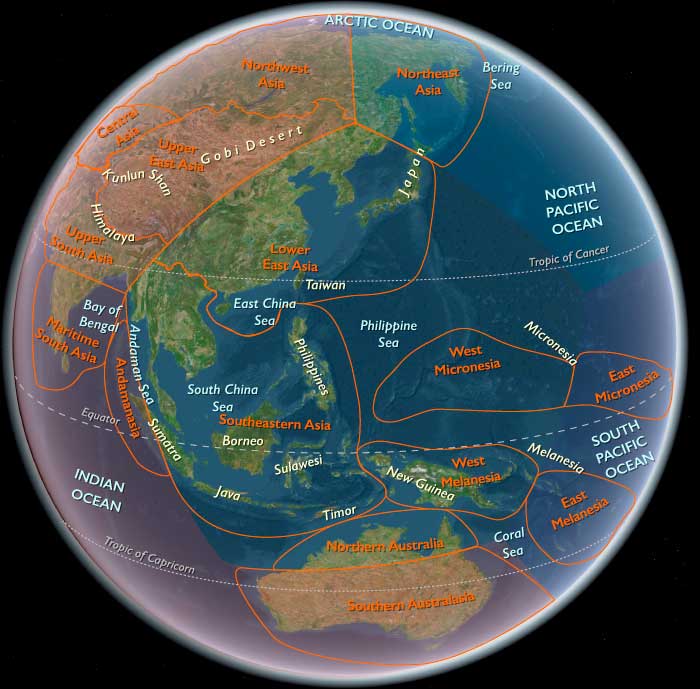
Europeans’ century-long presence in Japan ends in the 1630s when Iemitsu, the third shogun of the Tokugawa dynasty, the eldest son of Tokugawa Hidetada, and the grandson of Tokugawa Ieyasu, orders the expulsion of every European from the country.
Iemitsu in the 1630s, issues several isolationist edicts that prohibit people and goods, with a few exceptions, to enter or leave the country.
The most famous of those edicts is the Closed Country Edict of 1635, which contains the main restrictions introduced by Iemitsu.
With it, he has forbidden every Japanese ship and person to travel to another country.
The punishment for violation is death.
The same thing applies to those who come from overseas: they too risk death if they decide to enter Japan.
He has thus not only forbidden Japanese to travel abroad but those abroad from returning home as well.
The edict offers lavish gifts and awards for anyone who can provide information about priests and their followers who secretly practiced and spread their religion across the country.
Furthermore, every newly arrived ship is required to be thoroughly examined for Catholic priests and followers.
-
{# Image navigates to the detail page; the magnifying-glass chip is the only Fancybox lightbox trigger (kept a separate sibling — anchors can't nest). #}
 The Far East
World
-
{# Image navigates to the detail page; the magnifying-glass chip is the only Fancybox lightbox trigger (kept a separate sibling — anchors can't nest). #}
 East Asia
Region
-
{# Image navigates to the detail page; the magnifying-glass chip is the only Fancybox lightbox trigger (kept a separate sibling — anchors can't nest). #}
 Maritime East Asia
Subregion