
The Affair of the Placards and the…
1534 CE
The Affair of the Placards and the Shift in French Religious Policy (1534)
In October 1534, a dramatic incident known as the Affair of the Placards fundamentally changes King Francis I’spolicy toward Protestantism, triggering widespread persecution and marking a turning point in France's religious and political history.
Background: Francis’s Ambivalent Attitude toward Protestantism
Under the influence of his sister, Marguerite de Navarre, who was sympathetic to Lutheran reform, King Francis Ihad shown a degree of tolerance toward Protestant ideas. Marguerite, deeply interested in Luther's theology and the broader humanist movement, had helped create an atmosphere in the French court conducive to religious reform. Francis himself saw Protestantism not merely as a theological challenge but as politically useful, given its role in undermining his Habsburg rival, Emperor Charles V, by fracturing imperial unity. In 1533, Francis had even boldly suggested to Pope Clement VII the convening of a church council where Protestant and Catholic rulers would share equal authority to settle religious controversies. Both the Pope and Charles, however, rejected the idea outright.
Yet, alongside this relative openness, Francis’s reign from 1523 had seen brutal executions of so-called heretics, notably at Place Maubert in Paris, which transformed from an intellectual center and lecture venue into a place of torture and execution, using the wheel, stake, and gallows to demonstrate royal and Catholic authority.
The Affair of the Placards: Provocation and Reaction
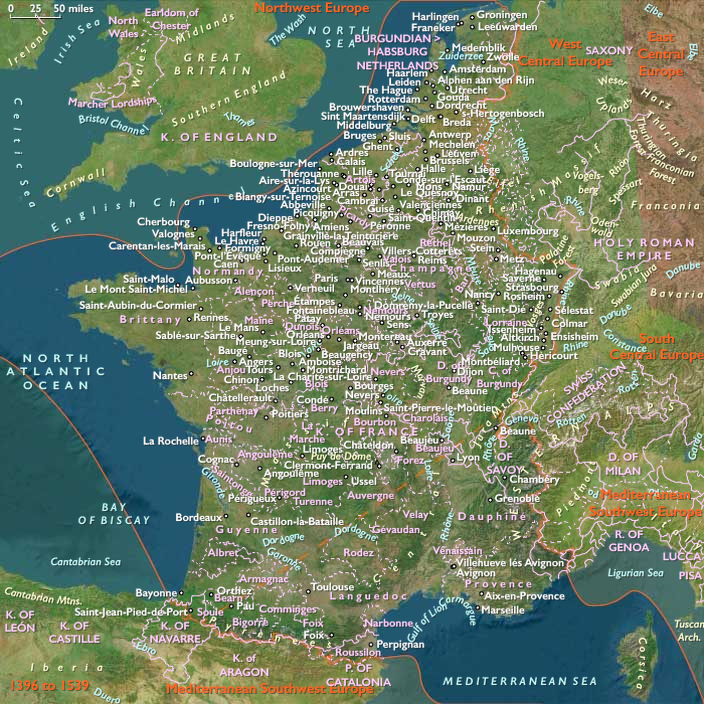
Francis’s ambivalence ended abruptly on October 17, 1534, when provocative notices or "placards" appeared overnight throughout Paris and several other cities. These printed placards, posted in public squares, churches, and even on the very door of King Francis’s private chambers—and reportedly, audaciously, inside the box where he stored his handkerchief—harshly denounced the Catholic Mass as idolatrous, blasphemous, and superstitious. The placards were the work of the Protestant pastor Antoine Marcourt, an outspoken advocate of reform, whose intention was to forcefully expose what Protestants viewed as Catholic abuses.
Immediate Consequences and Public Reaction
Francis reacted swiftly and severely. Seeing this as a direct and personal affront, he ordered immediate investigations and public processions in all Parisian parishes to reaffirm Catholic orthodoxy. He himself dramatically took part, standing conspicuously beneath the canopy typically reserved for the Holy Eucharist, symbolically identifying himself with the Catholic Church. A substantial reward of one hundred écus was offered for information leading to the arrest of those responsible.
Arrests quickly followed, especially among known or suspected Protestant sympathizers. On November 10, the first condemnations were announced. Three days later, on November 13, a crippled artisan named Barthélemi Milon was burned alive at the stake—the first of many such executions.
Long-term Consequences and Historical Significance
The Affair of the Placards decisively shifted Francis I’s attitude toward religious reform from cautious tolerance and political pragmatism toward harsh repression. The French government escalated its persecution of Protestants, implementing stricter laws against heresy, censorship of printed materials, and intensifying surveillance. Numerous Protestants, including prominent figures such as John Calvin and poets like Clément Marot, fled France to escape persecution. Calvin's exile, in particular, would lead him eventually to Geneva, where he developed and institutionalized his reformed theology, profoundly shaping Protestantism throughout Europe and beyond.
This severe crackdown created deep and lasting divisions in French society, sowing the seeds of future religious wars. The Affair of the Placards marked the end of a brief era of humanist-influenced tolerance in France, replacing it with decades of suspicion, persecution, and eventually, civil war.
Thus, this pivotal event highlights not only the vulnerability of religious minorities in a volatile political climate but also underscores how quickly religious disputes could escalate into full-scale societal upheaval, dramatically altering the trajectory of a nation.
Locations
People
Groups
Subjects
Regions
West Europe
View →Subregions
