Event
Gulf and Western North America (477 BCE–243…
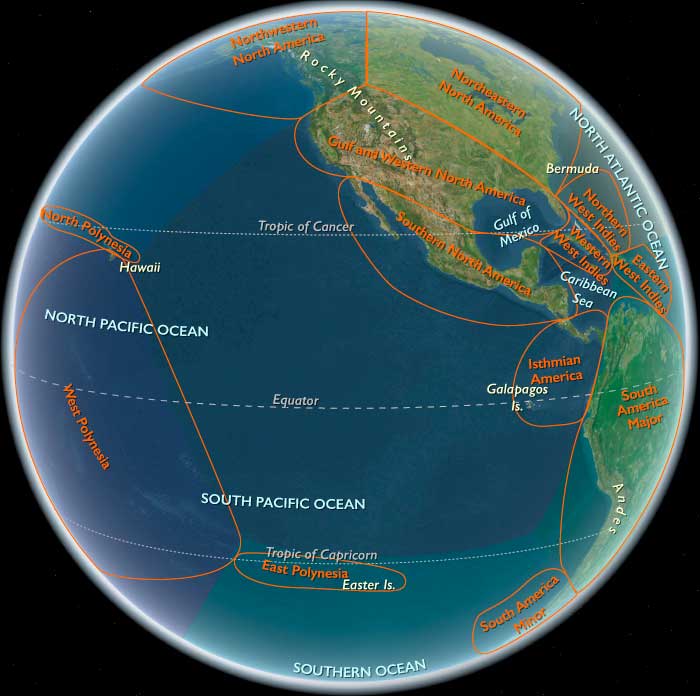
Gulf and Western North America (477 BCE–243 CE): Agricultural Expansion and Regional Societies
Environmental Continuity
The remarkable ecological diversity of the subregion remained unchanged. River floodplains, coastal marshes, deserts, mesas, forests, grasslands, and Mediterranean woodlands continued supporting distinctive regional adaptations while encouraging growing interaction across environmental boundaries.
Human Adaptation
Agricultural production expanded steadily along major rivers and irrigation systems while diversified economies continued integrating farming, fishing, hunting, gathering, and woodland management. Communities increasingly specialized according to local environmental opportunities without abandoning mixed subsistence strategies.
Economic Organization
Commercial interaction expanded substantially across the region. Canoes moved along major rivers and Gulf waters, desert trails connected irrigation communities with neighboring regions, and overland routes linked agricultural villages with coastal fisheries and interior hunting territories. Obsidian, turquoise, shells, salt, pottery, textiles, and food products circulated through increasingly organized exchange systems.
Institutions and Society
Village life became more permanent throughout many agricultural districts. Mound centers expanded in portions of the Lower Mississippi Valley, irrigation communities became increasingly organized along desert rivers, and ceremonial gathering places assumed greater regional importance while remaining embedded within productive local landscapes.
Political Development
Numerous regional chiefdoms and village alliances gradually emerged while preserving broad political diversity. Authority remained closely associated with agricultural productivity, exchange, ceremonial leadership, and environmental management rather than territorial expansion.

-
{# Image navigates to the detail page; the magnifying-glass chip is the only Fancybox lightbox trigger (kept a separate sibling — anchors can't nest). #}
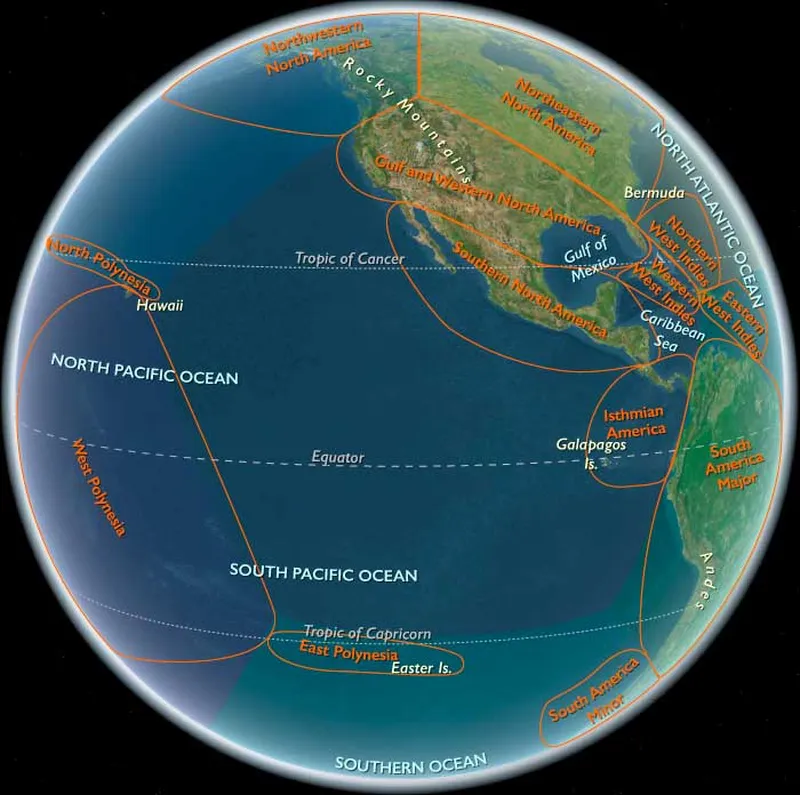 The Far West
World
-
{# Image navigates to the detail page; the magnifying-glass chip is the only Fancybox lightbox trigger (kept a separate sibling — anchors can't nest). #}
 Northern North America
Region
-
{# Image navigates to the detail page; the magnifying-glass chip is the only Fancybox lightbox trigger (kept a separate sibling — anchors can't nest). #}
 Gulf and Western North America
Subregion