Between 1200 and 900 BCE, …
Years: 1197BCE - 1054BCE
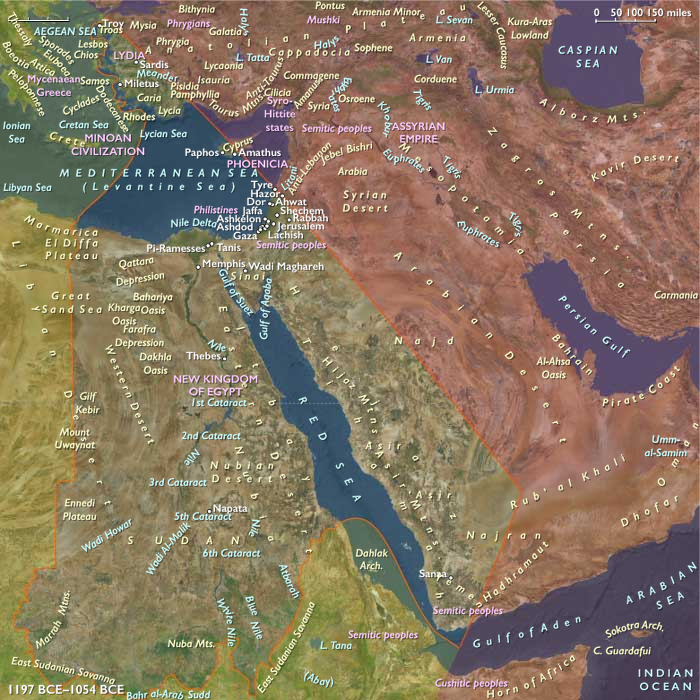
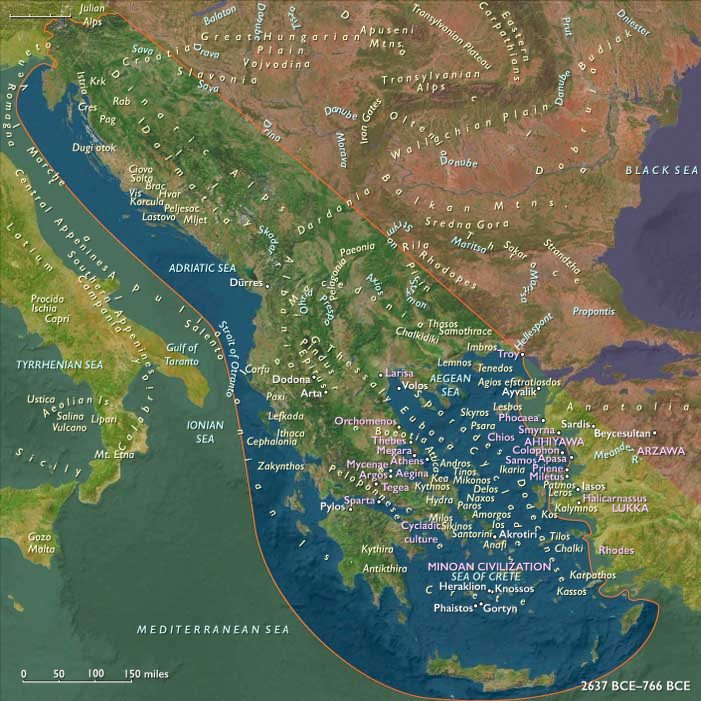
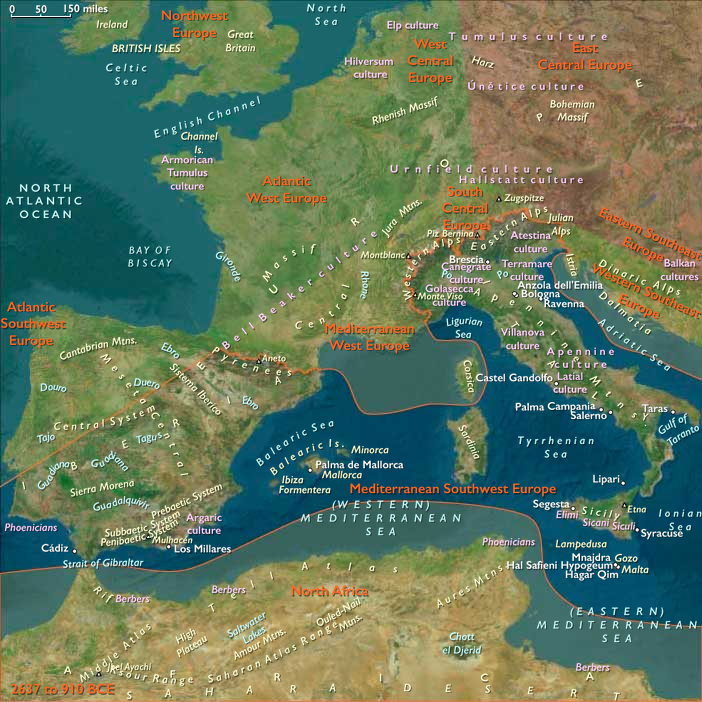
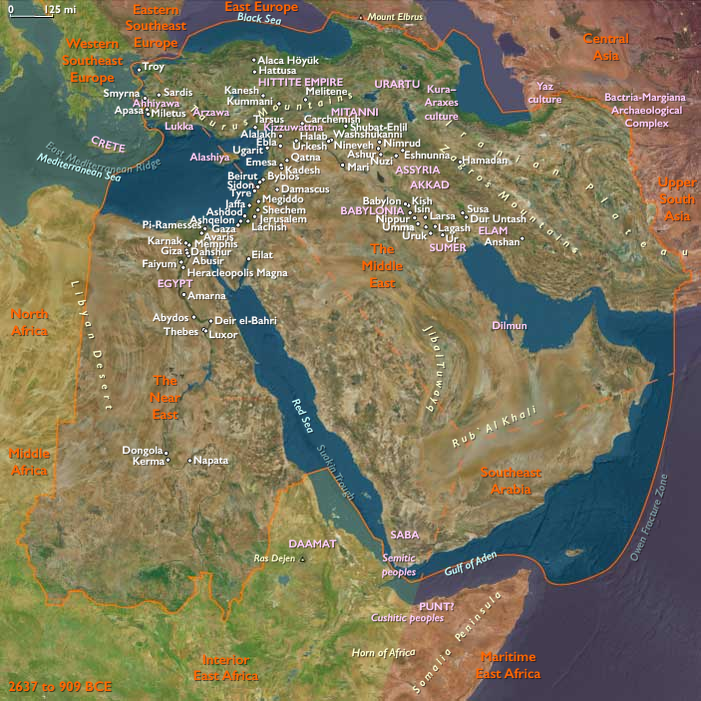
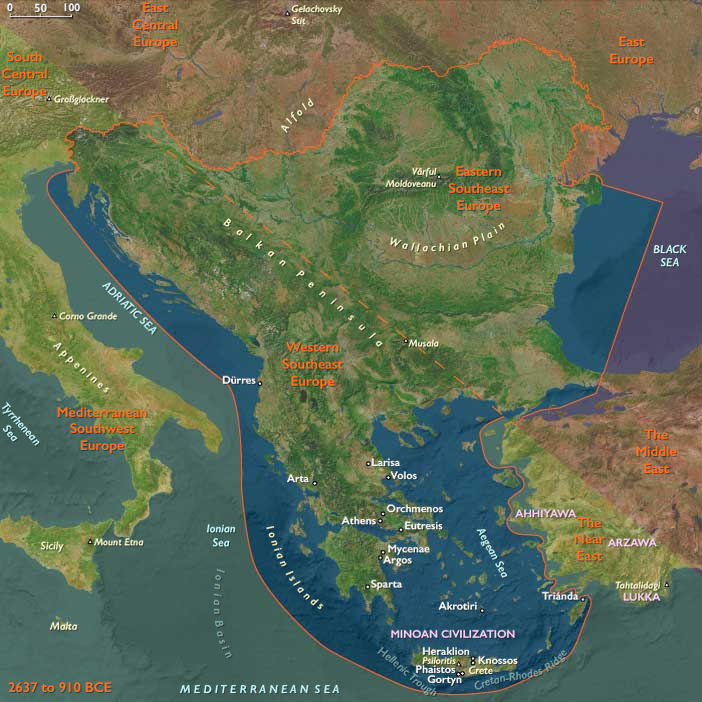
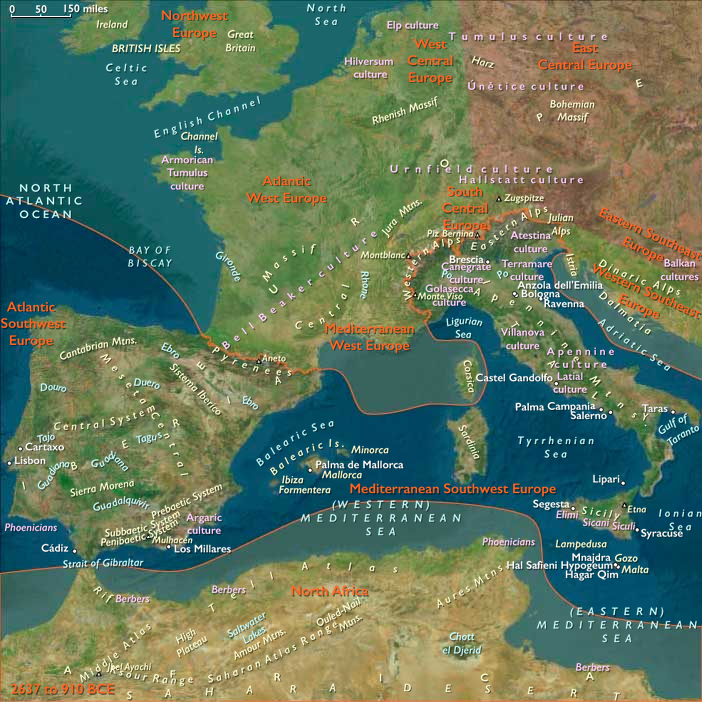
Between 1200 and 900 BCE, the Near East, North Africa, the Caucasus, the Mediterranean, and the Balkans experience widespread upheavals and mass migrations. These centuries are marked by political instability, cultural shifts, and large-scale movements of people, reshaping civilizations across these regions.
Related Events
Filter results
Showing 10 events out of 13 total
South America (1684–1827 CE)
Imperial Reforms, Indigenous Resistance, and the Wars of Independence
Geographic Definition of South America
The region of South America encompasses all lands south of the Isthmus of Panama, including South America Major—stretching from Colombia and Venezuela through Brazil, Peru, Bolivia, Paraguay, Uruguay, northern Argentina, and northern Chile—and Peninsular South America, embracing southern Chile and Argentina, Patagonia, Tierra del Fuego, the Falkland Islands (Islas Malvinas), and the Juan Fernández Islands.
Anchors include the Andes cordillera and Altiplano, the Amazon, Orinoco, and Magdalena river systems, the Venezuelan Llanos, Gran Chaco, Pampas, and Patagonian steppe, extending southward to the Strait of Magellan and the storm-lashed sub-Antarctic islands.
Bounded by Isthmian America to the north and Subcontinental South America beyond the Río Negro, this region entered the modern age as a vast, fragmented world of empires, Indigenous sovereignties, and the first stirrings of republican independence.
Geography and Imperial Frontiers
Between 1684 and 1827, South America stood at the hinge of early modern empire and emerging nationhood. The Andes anchored Spanish dominion, while the Amazon, Guianas, and southern plains remained zones of relative autonomy.
Spain’s empire centered on Lima, Potosí, and Bogotá, but new routes and rival powers eroded its control. Portuguese settlers pushed westward beyond the Treaty of Tordesillas, carving the future Brazil from mining frontiers and sugar coasts. The Guianas hosted Dutch, French, and British enclaves; the Llanos, Chaco, and Patagonia remained largely Indigenous.
From the Bio-Bío frontier in Chile to the Missions of Paraguay and the Upper Amazon, Indigenous confederations, Jesuit enclaves, and frontier forts coexisted in uneasy equilibrium until the revolutions of the early nineteenth century broke the imperial map apart.
Climate and Environmental Shifts
The late Little Ice Age lingered into the eighteenth century:
-
Andean highlands: Frosts shortened growing seasons; glacial advance cut water supply to terraces.
-
Amazon basin: Rainfall fluctuated with El Niño and La Niña, alternately flooding and parching river villages.
-
Coastal Peru and Chile: El Niño upsets brought famine and fishery collapse.
-
Southern pampas and Patagonia: Droughts and winds intensified; cold decades preserved glaciers in Tierra del Fuego.
Despite these oscillations, Indigenous and colonial agrarian systems—terraces, irrigation, and mixed cropping—sustained resilience across climates.
Subsistence and Settlement
Colonial economies deepened even as empires strained to contain their frontiers:
-
Andean viceroyalties (Peru, Bolivia, Ecuador): Silver and mercury mining at Potosí, Oruro, and Huancavelica remained imperial lifelines; Indigenous mita labor persisted under new guises. Highland farmers supplied maize, potatoes, and quinoa to mining centers.
-
Brazil: Gold and diamond booms in Minas Gerais and Goiás (1690s onward) drew settlers inland. Sugar, cattle, and later coffee expanded in Bahia, Pernambuco, and the Recôncavo.
-
Paraguay and Uruguay: Yerba mate, hides, and cattle exports linked Jesuit missions and ranches to Atlantic trade.
-
Venezuela and Colombia: The Llanos produced cattle and cocoa; Caracas, Cartagena, and Bogotá tied the interior to Europe via Caribbean ports.
-
Chile and the Río de la Plata: Wheat and wine sustained the Pacific colonies; Buenos Aires rose as a smuggling and trade hub after its 1776 elevation to viceroyal capital.
-
Southern frontiers: Beyond the Bio-Bío, the Mapuche retained independence; Tehuelche horsemen roamed Patagonia; Fuegian canoe peoples survived at the edge of the sub-Antarctic seas.
Urban centers—Lima, Quito, La Paz, Buenos Aires, Rio de Janeiro, Salvador, Caracas, Bogotá, and Santiago—flourished as administrative, mercantile, and religious capitals binding the continent’s diverse ecologies into imperial networks.
Technology and Material Culture
Colonial material life fused Indigenous skill and European design.
Roads and mule trails replaced Inca highways; stone and adobe churches rose over older shrines. Mining technologies—waterwheels, furnaces, mercury amalgamation—refined Andean ores. Jesuit reductions in Paraguay and Boliviaproduced Baroque churches, carved imagery, and polyphonic music blending European instruments with Guaraní voices.
In southern Chile and Patagonia, horse and iron tools transformed Indigenous mobility and warfare, while Spanish ports outfitted galleons and whalers bound for the Strait of Magellan.
Movement and Interaction Corridors
The continent’s arteries of exchange intertwined:
-
Silver highways: Carried bullion from Potosí to Lima and Buenos Aires, then to Seville.
-
Amazonian rivers: Sustained mission networks and trade in cacao, dyes, and forest goods.
-
Jesuit routes: Linked the Guaraní reductions to coastal Brazil and Peru until their 1767 suppression.
-
Slave routes: Africans entered through Cartagena, Bahia, and Rio de Janeiro, infusing the Atlantic littoral with Afro-American cultures.
-
Frontier circuits: Horses, cattle, and textiles moved between the Llanos, Chaco, Araucanía, and Pampas, blurring boundaries between empire and autonomy.
-
Southern seas: The Falklands and Juan Fernández Islands became whaling and provisioning hubs; the Strait of Magellan gained strategic significance for global shipping.
Cultural and Symbolic Expressions
Baroque Catholicism shaped public life—cathedrals, processions, and festivals dominated cities—yet beneath its veneer Indigenous and African traditions thrived.
In the Andes, saints merged with huacas and mountain spirits; in Brazil, candomblé and capoeira fused faith and resistance; in the missions, music and sculpture translated theology into local idioms.
Creole intellectuals absorbed Enlightenment ideas: scholars such as Juan Pablo Viscardo y Guzmán, Francisco de Miranda, and Simón Rodríguez envisioned liberty and reform. Across the south, Mapuche ngillatun and Tehuelche rituals reaffirmed identity against colonial advance, while sailors and exiles endowed remote islands with myths of endurance—from the Jesuit martyrdoms of Chiloé to Selkirk’s solitude on Juan Fernández.
Environmental Adaptation and Resilience
Agricultural and ecological ingenuity persisted:
terraced farming, irrigation canals, and crop diversity buffered Andean villages; shifting cultivation and forest gardens stabilized Amazonian societies.
Pastoralism spread—cattle on the Pampas, sheep on Patagonian plains—reshaping grasslands and displacing wildlife.
Indigenous nations south of the Andes adapted the horse, expanding mobility and defense. Coastal communities recovered from earthquakes and volcanic eruptions, rebuilding cities with brick, tile, and lime.
Technology and Power Shifts (Conflict Dynamics)
By the eighteenth century, reform and resistance accelerated collapse of the old order:
-
Bourbon Reforms (Spain) and Pombaline Reforms (Portugal) sought efficiency and revenue, tightening imperial control but provoking resentment.
-
Jesuit Expulsion (1759–1767): Dismantled mission economies and destabilized Indigenous frontiers.
-
Indigenous revolts: The Comunero uprisings (New Granada, 1781) and Túpac Amaru II’s Rebellion (Peru, 1780–81) fused anti-tax protest with ancestral revival.
-
Slave and maroon resistance: Palmares in Brazil and quilombos across the Guianas and Venezuela embodied enduring defiance.
-
Wars of Independence (1810–1824): From the Caracas junta to the crossing of the Andes, revolution swept the continent. Leaders—Simón Bolívar, José de San Martín, Bernardo O’Higgins, and José Artigas—toppled viceroyalties and declared new republics.
In the south, Chile’s patriots triumphed after Chacabuco (1817) and Maipú (1818); Argentina secured independence under the United Provinces; Brazil separated peacefully from Portugal in 1822 under Dom Pedro I. Yet Indigenous nations in Patagonia and Araucanía, though weakened, remained outside firm national control until late in the following century.
Transition (to 1827 CE)
By 1827 CE, the map of South America was redrawn. The viceroyalties of Spain and the captaincy of Portugal had dissolved into a dozen republics and one empire.
Lima, Buenos Aires, Bogotá, Caracas, and Rio de Janeiro emerged as capitals of sovereign states.
The Mapuche, Tehuelche, and Fuegians still held the far south; the Falklands and Juan Fernández Islands became contested imperial outposts.
Mining and plantation economies endured but shifted under new flags, while slavery, tribute, and caste hierarchies began to crumble.
The colonial age had ended: South America entered the modern era forged in rebellion, grounded in geography, and alive with the intertwined legacies of empire, Indigenous endurance, and creole revolution.
South America Major (1684–1827 CE)
Revolts, Reforms, and the Birth of Independence
Geographic Definition of South America Major
The subregion of South America Major encompasses all lands north of the Río Negro, extending across the full continental span of Brazil, Uruguay, Paraguay, northern Argentina and northern Chile, Bolivia, Peru, Ecuador(excluding the Cape lands at the Isthmian boundary), Colombia (excluding the Darién region, which belongs to Isthmian America), Venezuela, Guyana, Suriname, and French Guiana.
Anchors include the Andes cordillera and Altiplano, the Amazon basin, the Orinoco and Magdalena river systems, the Venezuelan Llanos, the Gran Chaco, the Uruguayan Pampas, and the Guiana Shield.
Bounded by Isthmian America to the north and Subcontinental South America to the south, this subregion forms the continental heartland of South America—linking the Pacific and Atlantic worlds through its intertwined highlands, forests, plains, and river systems.
Geography and Imperial Frontiers
Between 1684 and 1827, South America Major transformed from a colonial realm into a constellation of independent nations. The Andes still anchored Spanish power, while the Amazon basin, the Guiana forests, and the southern plains remained vast, contested frontiers. The Portuguese advanced deep into Brazil’s interior, expanding beyond the Tordesillas meridian through mining and ranching; Spain struggled to govern its mountainous viceroyalties from distant Lima and Bogotá. The region’s geography—its cordilleras, rivers, and forests—both connected and divided peoples, shaping the uneven course of empire and revolution.
Climate and Environmental Shifts
The late Little Ice Age brought alternating droughts and floods, influencing agriculture and settlement.
In the Andes, glaciers advanced slightly, shortening growing seasons and threatening terraced crops.
Across Brazil’s cerrado and the Guiana forests, rainfall swings altered river regimes and harvests, while El Niño events disrupted Pacific fisheries and Peruvian coastal farming.
The Llanos and Pampas alternated between lush pastures and parched plains.
Environmental volatility spurred adaptation—new crops, irrigation, and migration—within both colonial estates and Indigenous territories.
Subsistence and Settlement
By the 18th century, the subregion was a patchwork of imperial economies and Indigenous persistence:
-
Andean highlands: Mining towns like Potosí, Oruro, and Huancavelica remained economic cores. Encomienda and mita labor systems evolved into wage and debt peonage, sustaining silver and mercury production. Highland farmers grew maize, potatoes, and quinoa; imported wheat spread in valleys.
-
Coastal Peru and Ecuador: Plantation agriculture expanded around sugar, cotton, and vineyards; coastal ports like Lima, Guayaquil, and Callao handled global trade.
-
Brazilian interior: Gold and diamond booms in Minas Gerais (1690s onward) transformed Brazil’s economy, drawing settlers inland. Cattle ranching and sugar plantations flourished in Bahia, Pernambuco, and the Recôncavo, while the Amazon sustained missions and extractive trade in cacao, dyes, and forest goods.
-
Paraguay and Uruguay: Yerba mate, hides, and cattle became major exports; Jesuit reductions integrated Guaraní communities into mission economies until their expulsion in 1767.
-
Venezuela and Colombia: The Llanos supported cattle ranching and cocoa cultivation; the Magdalena and Orinoco rivers formed transport arteries between highlands and coasts.
-
Guianas: French, Dutch, and British outposts extracted sugar and timber, relying heavily on enslaved African labor.
Despite growing European control, Indigenous and Afro-descended communities remained central to labor, knowledge, and resistance across every ecological zone.
Technology and Material Culture
Mining innovations—mercury amalgamation and mule-driven mills—deepened dependence on Indigenous and enslaved workers.
In Brazil, smelting, waterwheels, and canalized sluices spread through mining districts; in Andean Peru, silver-processing patios reshaped entire valleys.
Agricultural technologies mixed Iberian plows and presses with Indigenous irrigation and terracing.
Architecture fused baroque cathedrals and mission churches with local materials—adobe, stone, and timber.
Textiles, pottery, and metalwork blended European and Indigenous forms: the Cusco School of painting, Jesuit mission music, and Afro-Brazilian festivals reflected a growing creole aesthetic.
Movement and Interaction Corridors
Continental networks intensified:
-
Silver highways: From Potosí to Lima, mule trains and caravans linked mines, ports, and European markets.
-
Brazilian gold routes: Trails from Minas Gerais and Goiás led to Salvador and Rio de Janeiro, shifting Brazil’s economic center southward.
-
Amazon and Orinoco rivers: Served both Indigenous canoe trade and Portuguese mission expansion.
-
Atlantic slave routes: Enslaved Africans arrived at Bahia, Cartagena, and the Guianas, embedding African culture into creole societies.
-
Mission networks: Jesuit and Franciscan roads connected Paraguay’s reductions, Amazon missions, and Andean highlands.
-
Trade corridors: Buenos Aires rose as a smuggling hub, connecting the Rio de la Plata with Potosí’s silver traffic, despite royal prohibitions.
By the 18th century, contraband trade and overland communication tied the continent together as never before.
Cultural and Symbolic Expressions
Baroque Catholicism dominated urban and rural life. Churches, processions, and festivals blended European theology with Indigenous ritual and African devotion. Saints’ cults and pilgrimages mapped sacred geography across the Andes and coasts.
In the Amazon and Paraguay, missions combined Gregorian chant and local music.
Creole intellectuals and clergy began articulating local pride—Garcilaso de la Vega, Sor Juana Inés de la Cruz, and Jesuit scholars in Lima and Quito bridged colonial scholasticism and early Enlightenment.
Indigenous and Afro-descended populations kept older spiritual systems alive beneath Catholic veneers: Andean huaca worship, Guaraní dances, and Afro-Brazilian congado and candomblé merged cosmologies into living syncretism.
Environmental Adaptation and Resilience
Agricultural and ecological ingenuity persisted across regions:
-
Terracing and crop rotation sustained Andean villages under frost and drought.
-
Irrigation canals and sugar mills stabilized coastal economies.
-
Amazonian peoples used shifting cultivation and forest-garden mosaics to preserve fertility.
-
Cattle and sheep grazing expanded across the Llanos, Chaco, and Pampas, reshaping ecosystems into ranching frontiers.
-
Urban centers managed periodic famine with granaries, trade, and church relief.
Even under imperial extraction, local adaptation ensured survival and continuity.
Technology and Power Shifts (Conflict Dynamics)
By the 18th century, reform and resistance redefined empire:
-
Spanish Bourbon Reforms (from 1700): Centralized administration, curbed local autonomy, and taxed trade and mining; these policies fueled unrest among criollo elites.
-
Brazil under Pombal (1750s–1770s): The Marquis of Pombal reorganized administration, expelled Jesuits (1759), and encouraged secular colonization in Amazon and frontier zones.
-
Indigenous and popular uprisings: The Comunero Revolts in New Granada (1781) and Túpac Amaru II’s Rebellion in Peru (1780–81) blended anti-tax grievances with calls for justice and autonomy.
-
Slave resistance: Palmares in Brazil’s northeast and smaller maroon communities across Suriname, the Guianas, and Venezuela embodied defiance and survival.
-
Foreign wars: Spain’s and Portugal’s European conflicts—War of the Spanish Succession (1701–1714) and Napoleonic invasions (1807–1808)—weakened colonial control.
Transition (to 1827 CE)
By 1827, South America Major was no longer colonial. Revolutions ignited by Simón Bolívar, José de San Martín, José Artigas, and others swept through Andes and plains.
From Caracas to Buenos Aires, new republics—Colombia, Venezuela, Peru, Chile, Argentina, Paraguay, Uruguay, and Brazil’s empire—emerged from the ruins of Iberian dominion.
Mines and missions, ranches and plantations, cities and forests—each bore the marks of both conquest and continuity.
The subregion entered the modern age through conflict and transformation: Indigenous persistence, African cultural legacies, and creole aspirations forged a South America no longer imperial, but still profoundly shaped by its colonial past.
South America Major (1804–1815 CE): Independence Movements, Revolutionary Conflict, and Colonial Breakdown
Between 1804 and 1815 CE, South America Major—covering all lands north of the Río Negro, extending across the full continental span of Brazil, Uruguay, Paraguay, northern Argentina and northern Chile, Bolivia, Peru, Ecuador (excluding the Cape lands at the Isthmian boundary), Colombia (excluding the Darién region, which belongs to Isthmian America), Venezuela, Guyana, Suriname, and French Guiana—underwent dramatic upheaval characterized by revolutionary movements, widespread colonial breakdown, and early stages of independence. Fueled by external revolutionary precedents, notably the success of the Haitian Revolution (1804), these years marked profound transformations in political structures, social hierarchies, and economic systems across the continent.
Political Developments
Revolutionary Impact and Haitian Influence
The successful Haitian Revolution (1791–1804)—the first successful slave rebellion establishing an independent nation—deeply impacted South American elites, colonial authorities, and enslaved populations. The precedent of successful resistance dramatically inspired independence efforts and intensified colonial anxieties.
Outbreak of Independence Wars
Widespread independence movements erupted, notably:
-
Venezuela: Francisco de Miranda (1806) and Simón Bolívar initiated revolutionary movements, officially declaring independence in 1811.
-
Argentina: The May Revolution of 1810 marked Buenos Aires’s break from Spanish rule.
-
Chile: Early independence attempts emerged in 1810, beginning a prolonged struggle against Spanish authority.
-
Colombia and Ecuador: Experienced initial independence revolts beginning around 1809–1810.
-
Paraguay: In 1811, Paraguay achieved an unusually peaceful independence from Spanish rule, distinguishing itself from prolonged conflicts elsewhere. Led initially by local elites seeking autonomy from Buenos Aires as well as Madrid, Paraguay swiftly established a self-contained government under an emerging authoritarian political structure.
Portuguese Monarchy Relocation to Brazil
Portuguese political dynamics dramatically shifted in 1808 when the Portuguese royal court, fleeing Napoleon’s invasions, relocated to Rio de Janeiro, significantly altering Brazil’s political status and setting the stage for Brazil's later independence.
Economic Developments
Economic Disruption Amid Revolutionary Conflict
Mining economies in Brazil (Minas Gerais) and Bolivia (Potosí) continued, though increasingly disrupted by revolutionary conflicts and resource depletion. Trade patterns and economies destabilized as warfare spread, leading to severe economic fluctuations.
Plantation Economies Under Pressure
Plantation agriculture and enslavement continued, but the revolutionary atmosphere—fueled by Haitian precedents—increased tensions, fear of slave revolts, and demands for abolitionist reform, especially in Brazil.
Emerald and Resource Extraction Decline
Emerald mining in Colombia continued under strained conditions due to revolutionary disruptions, military conflict, and declining colonial oversight, weakening extractive economies.
Cultural and Technological Developments
Revolutionary Ideals and Intellectual Transformation
Enlightenment-inspired ideals of liberty, republicanism, and equality spread vigorously through urban centers—Lima, Quito, Bogotá, Caracas, Rio de Janeiro, and Buenos Aires—energizing revolutionary thought and prompting dramatic shifts in political and intellectual life.
Urban Cultural and Architectural Impact
Major cities, though politically turbulent, continued to serve as cultural and intellectual hubs. Revolutionary conflicts reshaped urban life, turning cities into centers of ideological debate, political mobilization, and cultural shifts toward nationalist identity formation.
Social and Religious Developments
Social Upheaval and Class Reconfiguration
Social hierarchies were challenged dramatically amid revolutionary upheaval. Indigenous peoples, enslaved populations, mestizos, and creoles actively participated in revolutionary movements, destabilizing rigid colonial social structures and creating opportunities for societal reconfiguration.
Catholic Church Amid Revolutionary Change
The Catholic Church confronted unprecedented pressures amid revolutionary transformations. Often aligned with traditional colonial power structures, the Church faced tensions as revolutionary leaders advocated secular reforms, challenging Church authority and provoking internal divisions.
Indigenous Resistance and Frontier Dynamics
Persistent indigenous resistance significantly influenced revolutionary conflicts, as indigenous communities navigated alliances and resistances to colonial and revolutionary factions alike. Frontier regions, notably in Chile (Mapuche territories), Andean communities, and Amazonian groups, experienced ongoing conflict and territorial disruption.
Long-Term Consequences and Historical Significance
The era from 1804 to 1815 CE represented a decisive turning point, initiating South America Major's sustained revolutionary upheaval and struggle for independence. Driven by external revolutionary precedents, intense ideological currents, widespread social upheaval, and weakening colonial governance, these years profoundly reshaped the continent’s political, social, and economic landscapes. The movements and conflicts of this era established irreversible momentum toward full independence, profoundly influencing South America’s subsequent historical trajectory.
In 1806 the British successfully invade Buenos Aires, but an army from Montevideo led by Santiago de Liniers defeats them.
In the brief period of British rule, the viceroy Rafael Sobremonte manages to escape to Córdoba and designate this city as capital.
Buenos Aires becomes the capital again after its liberation, but Sobremonte cannot resume his duties as viceroy.
Santiago de Liniers, chosen as new viceroy, prepares the city against a possible new British attack and repel the attempted invasion of 1807.
The militarization generated in society changes the balance of power favorably for the criollos (in contrast to peninsulares), as well as the development of the Peninsular War in Spain.
An attempt by the peninsular merchant Martín de Álzaga to remove Liniers and replace him with a Junta is defeated by the criollo armies.
However, by 1810 it is these same armies who support a new revolutionary attempt, successfully removing the new viceroy Baltasar Hidalgo de Cisneros.
This is known as the May Revolution, which is now celebrated as a national holiday.
This event starts the Argentine War of Independence, and many armies leave Buenos Aires to fight the diverse strongholds of royalist resistance, with varying levels of success.
The government is held first by two Juntas of many members, then by two triumvirates, and finally by a unipersonal office, the Supreme Director.
Buenos Aires manages to endure the whole Spanish American wars of independence without falling again under royalist rule.
Formal independence from Spain will be declared in 1816, at the Congress of Tucumán.
But no matter how grave the offenses of the ancien regime may have been, they are far less rankling to the proud Paraguayans than the indignity of being told to take orders from the porteños.
After all, Paraguay had been a thriving, established colony when Buenos Aires was only a squalid settlement on the edge of the empty pampas.
Joseph has no constituency in Spanish America.
Without a king, the entire colonial system loses its legitimacy, and the colonists revolt.
The Buenos Aires cabildo, buoyed by their recent victory over British troops, deposes the Spanish viceroy on May 25, 1810, vowing to rule in the name of Ferdinand VII.
The porteño action has unforeseen consequences for the histories of Argentina and Paraguay.
Espínola is "perhaps the most hated Paraguayan of his era," in the words of historian John Hoyt Williams.
Espínola's reception in Asuncion is less than cordial, partly because he is closely linked to rapacious policies of the ex-governor, Lazaro de Rivera, who had arbitrarily shot hundreds of his citizens until he was forced from office in 1805.
Barely escaping a term of exile in Paraguay's far north, Espínola flees back to Buenos Aires and lies about the extent of porteño support in Paraguay, causing the Buenos Aires cabildo to make an equally disastrous move.
In a bid to settle the issue by force, the cabildo sends eleven hundred troops under General Manuel Belgrano to subdue Asuncion.
Paraguayan troops soundly thrash the porteños at Paraguan and Tacuan.
Officers from both armies, however, fraternize openly during the campaign.
From these contacts the Paraguayans come to realize that Spanish dominance in South America is coming to an end, and that they, and not the Spaniards, hold the real power.
Believing that the Paraguayan officers who had whipped the porteños pose a direct threat to his rule, Governor Bernardo de Velasco disperses and disarms the forces under his command and sends most of the soldiers home without paying them for their eight months of service.
Velasco previously had lost face when he fled the battlefield at Paraguan, thinking Belgrano would win.
Discontent spreads, and the last straw is the request by the Asunción cabildo for Portuguese military support against Belgrano's forces, who are encamped just over the border in present-day Argentina.
Far from bolstering the cabildo's position, this move instantly ignites an uprising and the overthrow of Spanish authority in Paraguay on May 14 and 15, 1811.
Independence is declared on May 17.
Most subjects of Spain do not accept the government of Joseph Bonaparte, placed on the Spanish throne by his brother, Emperor Napoleon of France.
At the same time, the process of creating a stable government in Spain, which will be widely recognized throughout the empire, has taken two years.
This has created a power vacuum in the Spanish possessions in America, which creates further political uncertainty.
Spain loses only Trinidad to Britain, but Napoleon’s removal of the Bourbons prompts the Spanish-American Viceroyalties to erect their own governments.
Years: 1197BCE - 1054BCE
Topics
Regions

Subregions
- Eastern Southeast Europe
- Near East
- Western Southeast Europe
- Mediterranean West Europe
- Mediterranean Southwest Europe
- North Africa
- Atlantic Southwest Europe