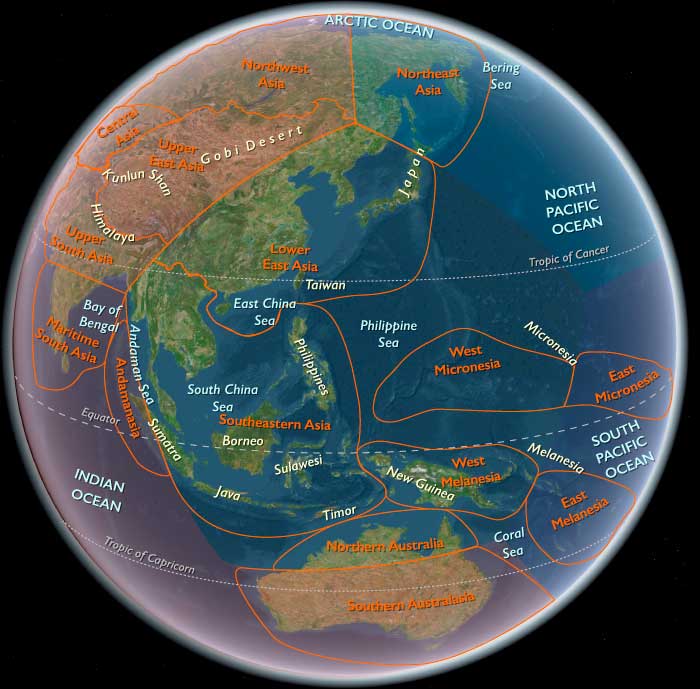
Event
Migrations from southern China have peopled Southeast…
Migrations from southern China have peopled Southeast Asia, including the area of contemporary Thailand, over the course of millennia.
Archaeological evidence indicates a thriving Paleolithic culture in the region and continuous human habitation for at least twenty thousand years.
The pace of economic and social development is uneven and conditioned by climate and geography.
The dense forests of the Chao Phraya Valley in the central part of Thailand and the Malay Peninsula in the south produce such an abundance of food that for a long time there is no need to move beyond a hunting-and-gathering economy.
In contrast, rice cultivation appears early in the highlands of the far north and hastens the development of a more communal social and political organization.
Excavations at Ban Chiang, a small village on the Khorat Plateau in northeastern Thailand, have revealed evidence of prehistoric inhabitants who cultivated rice around the fourth millennium BCE.
If so, the Khorat Plateau would be the oldest rice-producing area in Asia because the inhabitants of China at this time still consume millet.
-
{# Image navigates to the detail page; the magnifying-glass chip is the only Fancybox lightbox trigger (kept a separate sibling — anchors can't nest). #}
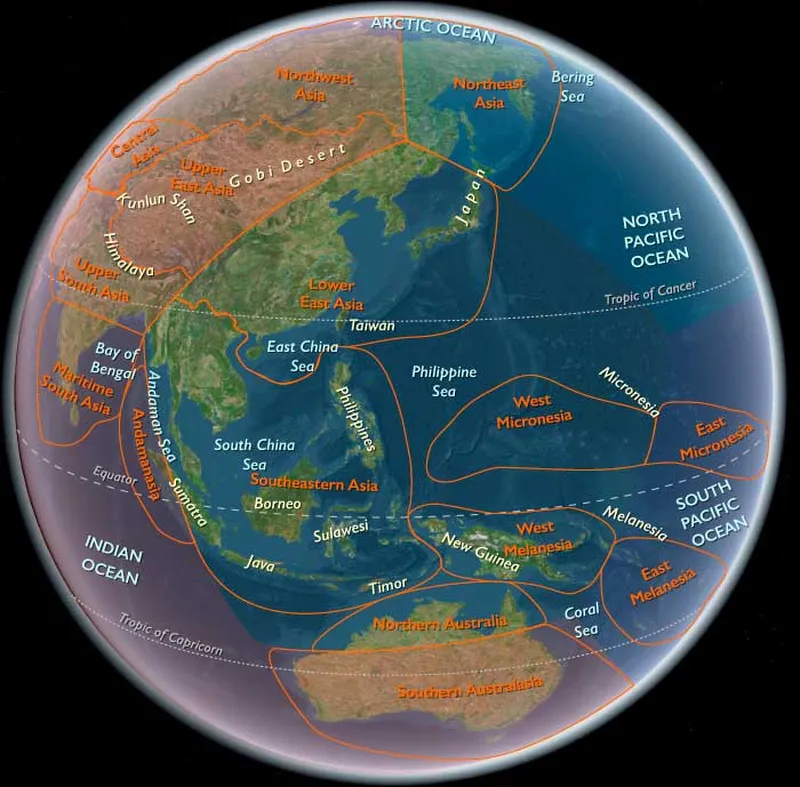 The Far East
World
-
{# Image navigates to the detail page; the magnifying-glass chip is the only Fancybox lightbox trigger (kept a separate sibling — anchors can't nest). #}
 Southeast Asia
Region
-
{# Image navigates to the detail page; the magnifying-glass chip is the only Fancybox lightbox trigger (kept a separate sibling — anchors can't nest). #}
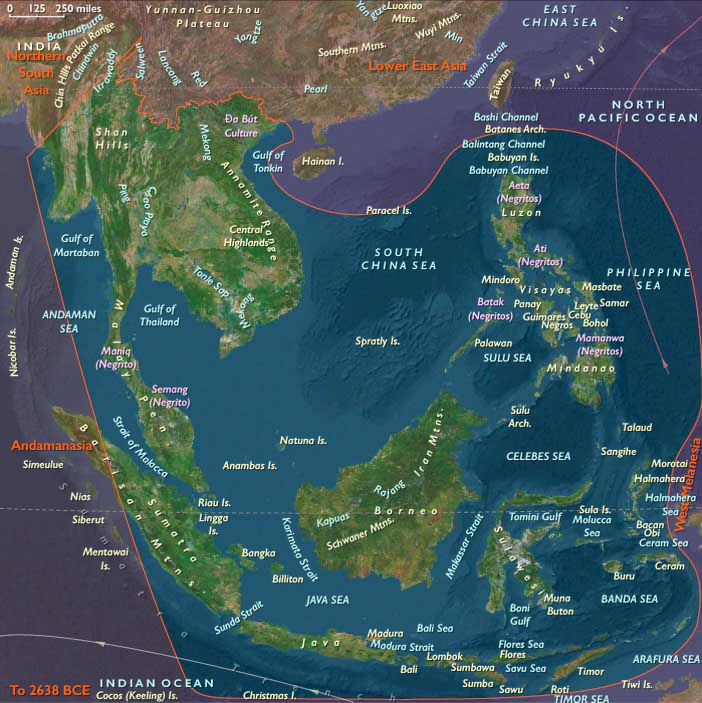 Sundachina
Subregion