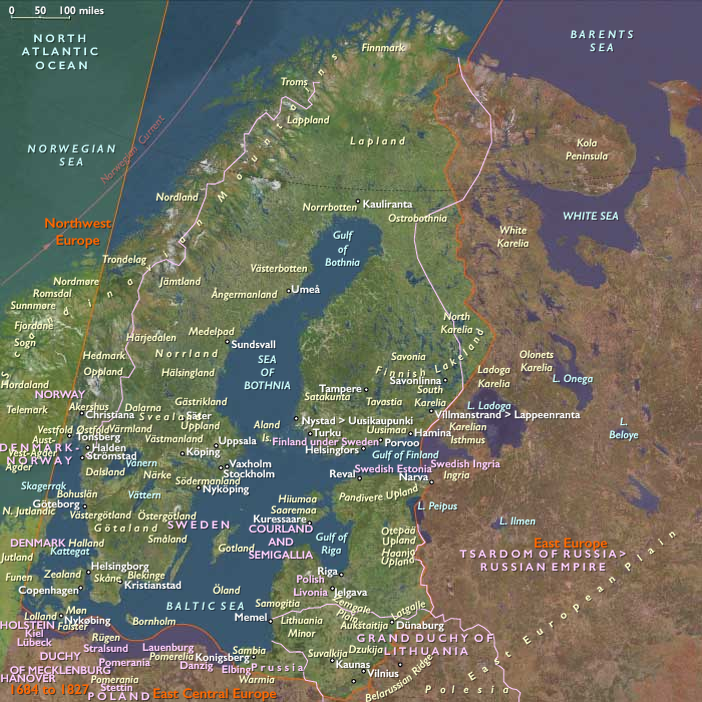
Riga, the largest city in Swedish Livonia,…
July 1710 CE
A siege had been raised by November 1709; however, when the plague broke out in the city in May 1710, it had soon spread from the defendants to the Russian siege forces, causing the latter to retreat behind a cordon sanitaire.
When the plague spreads to Swedish Dünamünde upstream on the Düna (Daugava) river, thwarting Riga's defendants' hopes for relief, and plague and hunger become so widespread in the city that only fifteen hundred men of the garrison are still alive, they surrender the city on July (O.S.) / 15 to Sheremetev, who reports to the tsar sixty thousand deaths in Riga and ten thousand deaths among his own forces.
While Frandsen (2009) dismisses the number for Riga as "most likely a heavy exaggeration" and instead gives a rough estimate of twenty thousand deaths by the end of the plague in October, Sheremetev's number of Russian plague deaths seems to be "closer to the truth."
Locations
Groups
Topics
Subjects
Regions
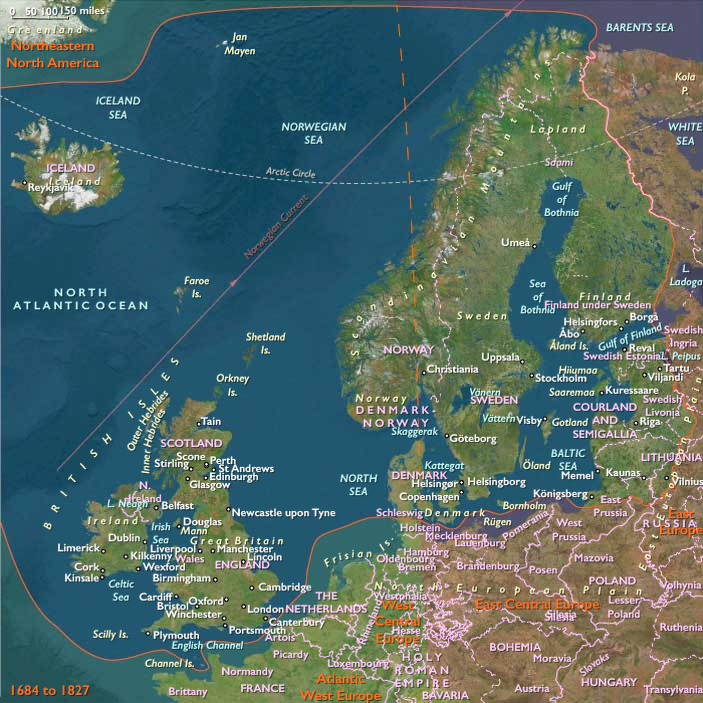
North Europe
View →Subregions