The Rise of Standing Armies in Europe…
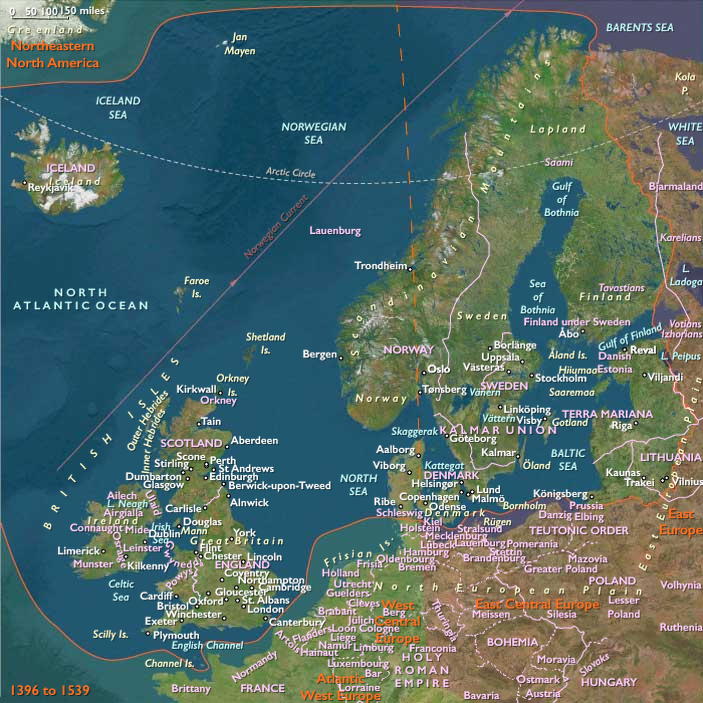
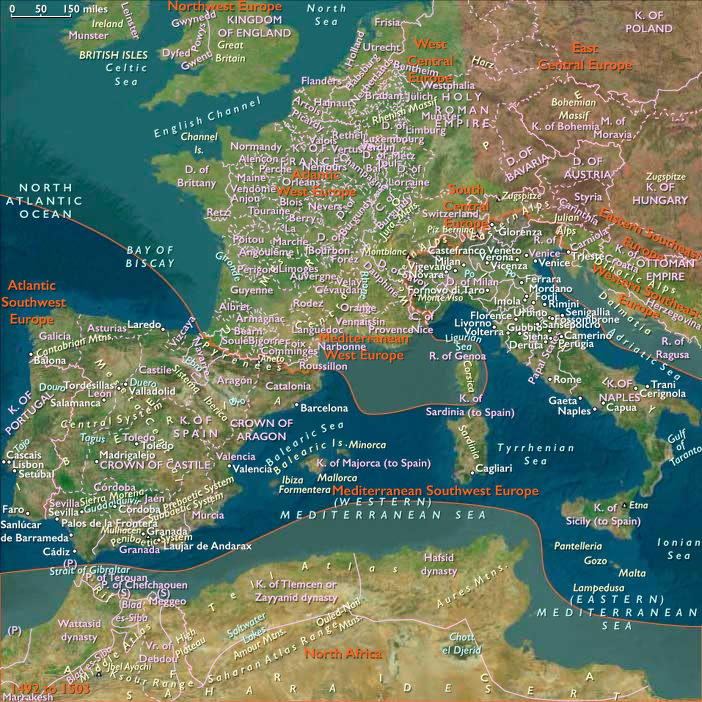
1492 CE to 1503 CE
The Rise of Standing Armies in Europe (15th Century)
By the 15th century, standing armies—permanent, professional military forces maintained by states—began to replace feudal levies and mercenary forces as the dominant military structure in Europe. This shift was driven by technological advancements, state centralization, and the need for military readiness during constant wars.
Factors Leading to the Development of Standing Armies
-
The Decline of Feudal Levies
- In medieval Europe, armies were traditionally composed of feudal levies, where vassals and knights were summoned for short-term service by their lords.
- However, feudal troops were unreliable, poorly trained, and difficult to mobilize quickly.
-
The Increased Use of Gunpowder and Firearms
- The introduction of gunpowder weapons (cannons, handguns, and muskets) required trained soldiers and constant drilling.
- Unlike medieval knights, who were seasonal warriors, gunpowder troops needed continuous training and discipline, making a permanent military force more practical.
-
State Centralization and Taxation
- As monarchs consolidated power, they established permanent military institutions, funded through regular taxation.
- The wealthiest states, like France and Spain, were able to maintain large, professional armies.
-
The Hundred Years’ War (1337–1453) and the Rise of Professional Soldiers
- This prolonged conflict between England and France showed the effectiveness of well-trained, professional soldiers over feudal armies.
- French Kings Charles VII and Louis XI created the first permanent royal army, consisting of artillery, cavalry, and infantry.
Examples of Early Standing Armies
- France (1445) – King Charles VII created the Compagnies d'Ordonnance, the first permanent royal army in Western Europe.
- Spain (1493) – Ferdinand and Isabella established a standing army, crucial for maintaining control after the Reconquista.
- England (1485) – Henry VII reduced reliance on feudal levies and expanded the Yeoman of the Guard, forming the basis of a permanent royal army.
- The Ottoman Empire – The Janissaries, an elite standing force established in the 14th century, influenced European military reforms.
Impact of Standing Armies on European Warfare
- Increased Military Readiness – Armies were now available year-round, allowing rulers to react quickly to threats.
- Higher Costs and Taxation – Maintaining a full-time army required regular taxation, leading to the growth of centralized bureaucracies.
- The Decline of Feudal Nobility – As monarchs relied on professional troops, the power of the feudal nobility diminished.
- The Expansion of European Warfare – Standing armies enabled longer, larger wars, including Italy’s Wars (1494–1559) and the Habsburg-Valois Wars.
Legacy: The Birth of the Modern Military State
By the 16th century, nearly all major European powers maintained standing armies, setting the foundation for modern professional militaries. The transition from feudal levies to permanent armies marked a key turning point in European history, contributing to the rise of centralized nation-states and imperial expansion.
Commodities
Regions

Subregions
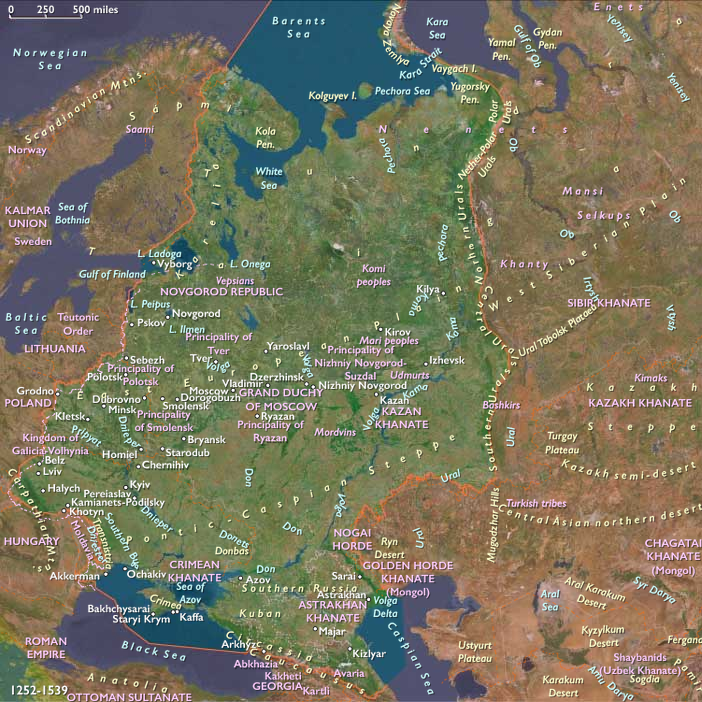
East Europe
View →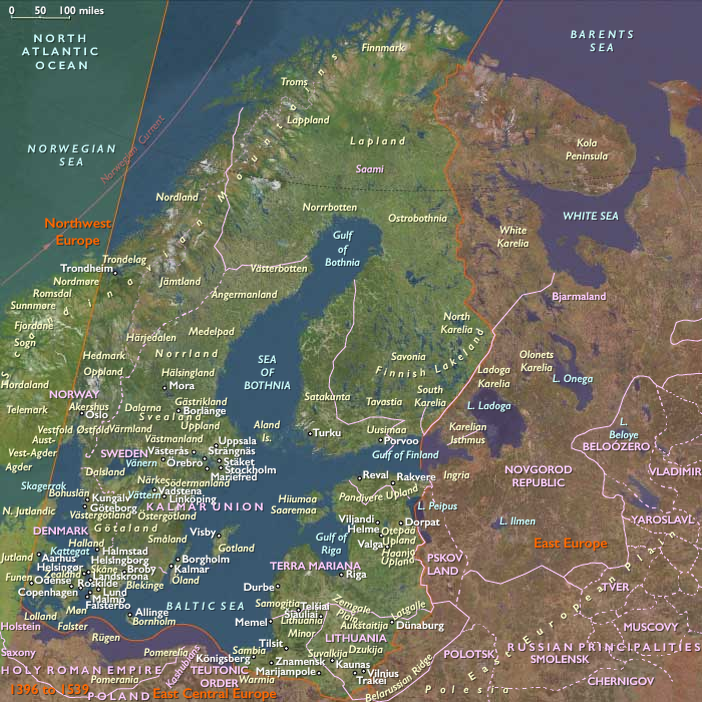
Northeast Europe
View →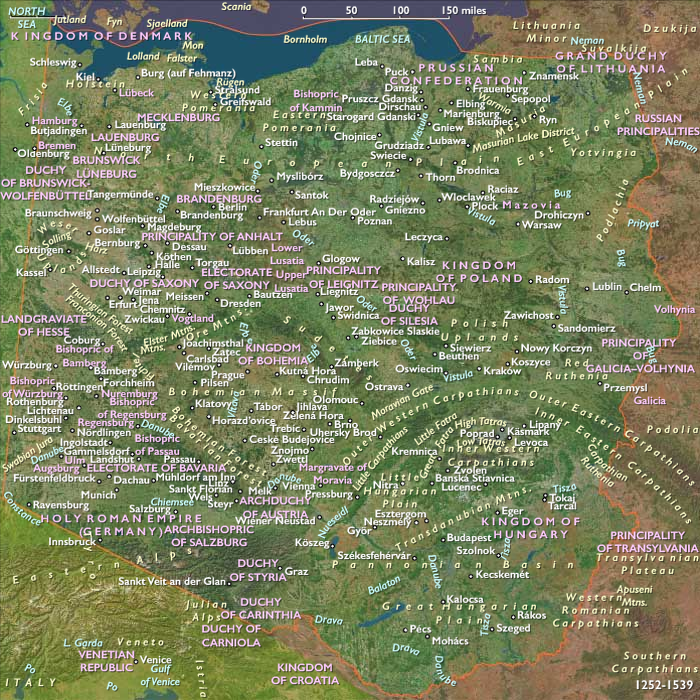
East Central Europe
View →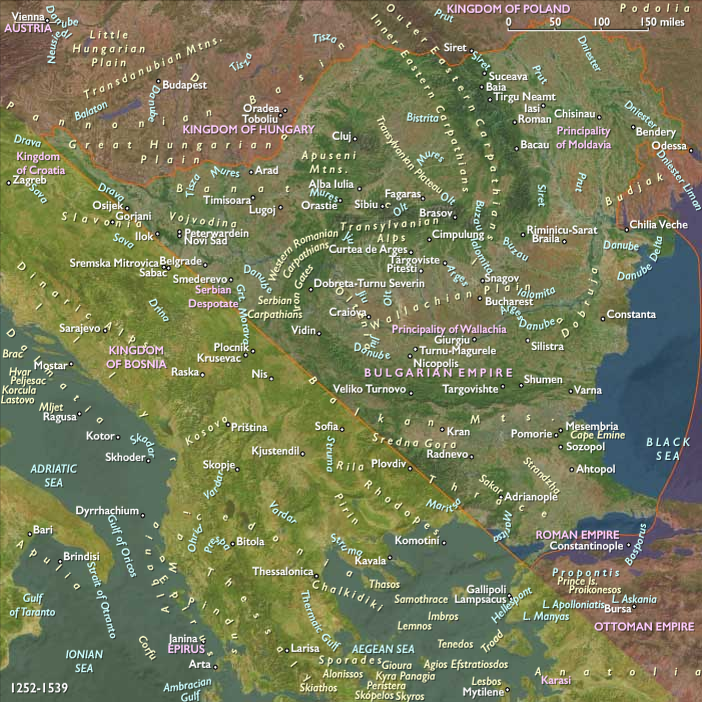
Eastern Southeast Europe
View →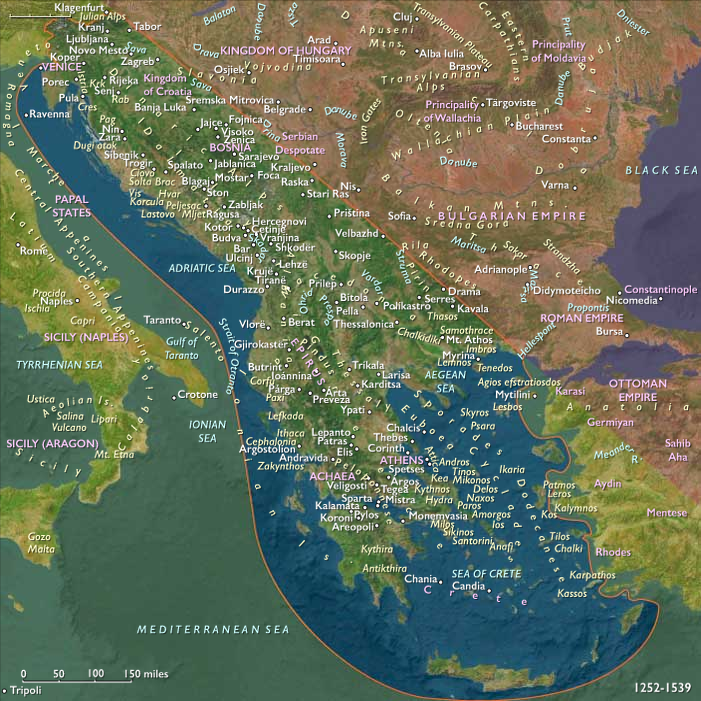
Western Southeast Europe
View →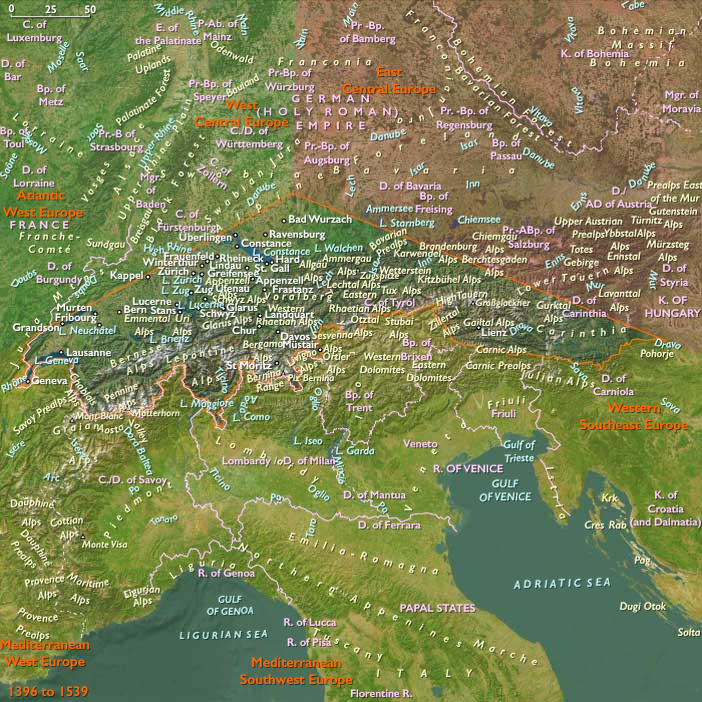
South Central Europe
View →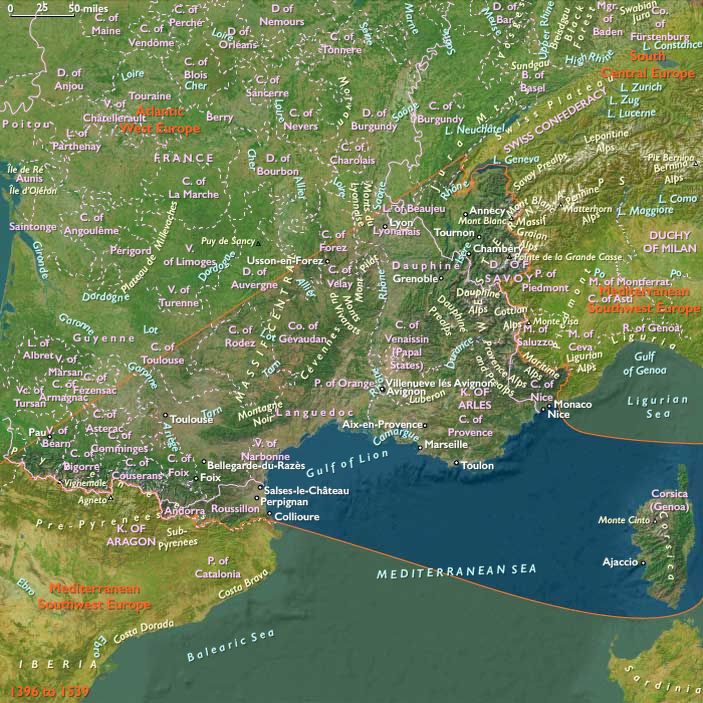
Mediterranean West Europe
View →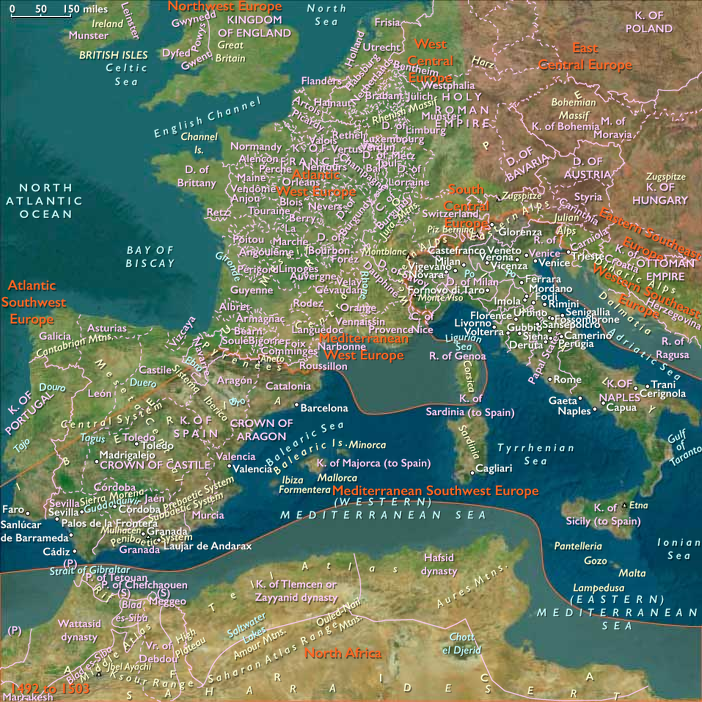
Mediterranean Southwest Europe
View →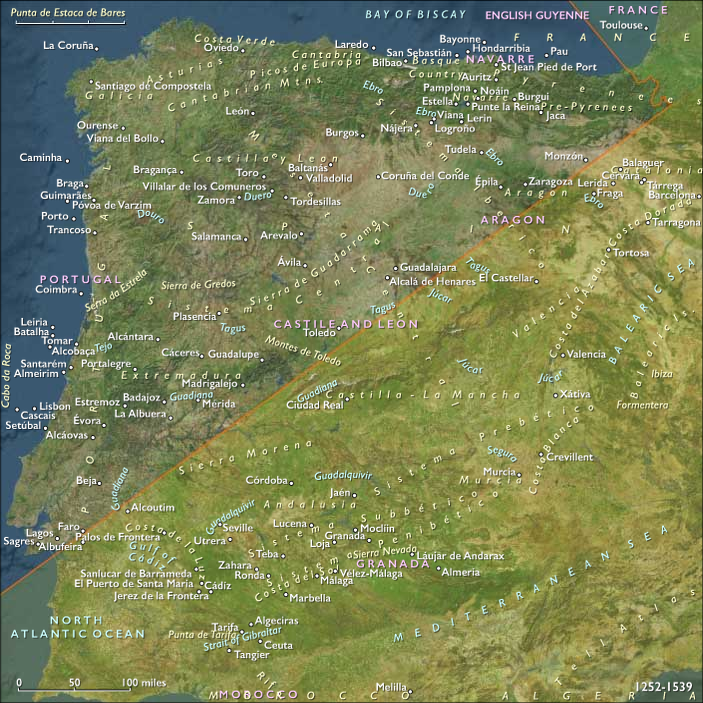
Atlantic Southwest Europe
View →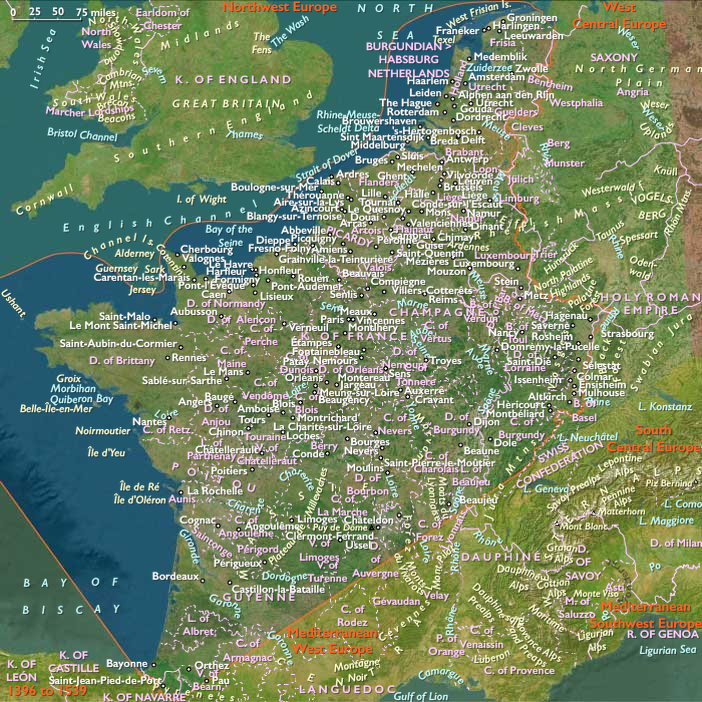
Atlantic West Europe
View →
West Central Europe
View →