Event
Isthmian America (909–478 BCE): Agricultural Foundations and…
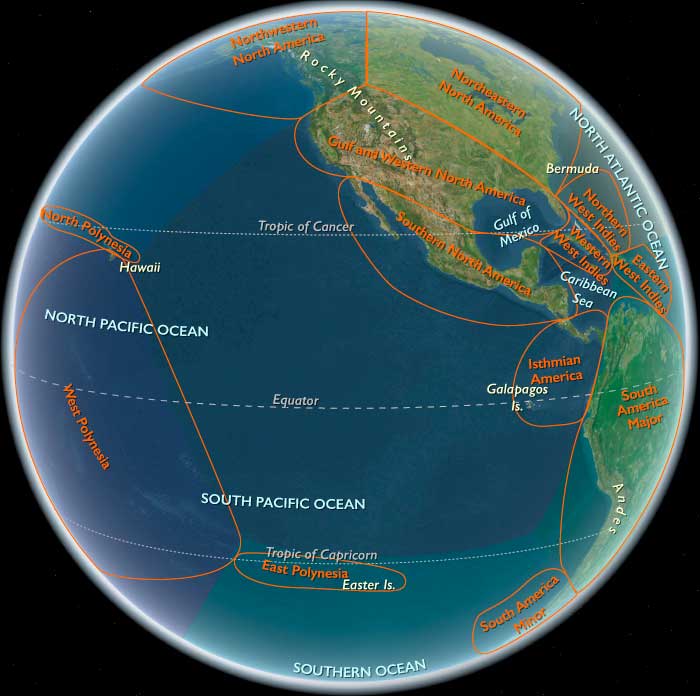
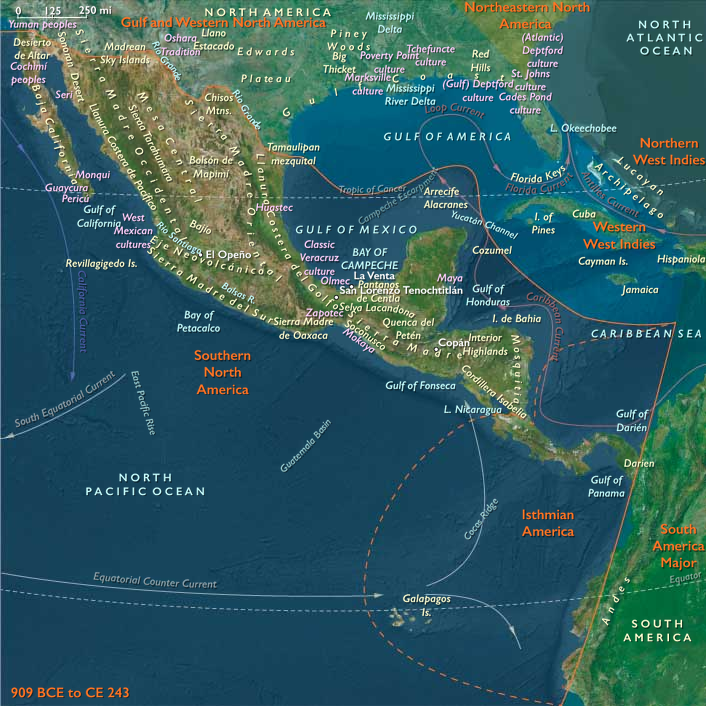
Isthmian America (909–478 BCE): Agricultural Foundations and Emerging Regional Networks
Environmental Continuity
Dense tropical rainforests, volcanic highlands, mangrove estuaries, and short river systems continued to define the Isthmian landscape. Fertile volcanic soils and seasonally flooded river valleys supported expanding agriculture while preserving extensive forest ecosystems that remained central to everyday life.
Human Adaptation
Communities increasingly combined maize, manioc, beans, root crops, and tropical fruits with fishing, shellfish gathering, hunting, and forest resources. Settlements remained modest and widely dispersed, adapting to local ecological conditions on both Caribbean and Pacific slopes.
Economic Organization
Regional exchange networks expanded steadily through rivers, coastlines, and short overland crossings between watersheds. Dugout canoes became the principal means of transportation, while communities exchanged ceramics, stone tools, marine resources, obsidian, and other valued materials across growing interaction spheres linking Central America with neighboring regions.
Institutions and Society
Village life centered upon extended kinship groups and hereditary local leadership. Communal gathering places emerged within settlements, while distinctive regional ceramic traditions reflected increasingly stable cultural identities without producing large urban centers.
Political Development
Political authority remained decentralized. Numerous autonomous communities occupied favorable river valleys, coastal plains, and volcanic foothills, laying the foundations for the more complex chiefdoms that would develop during later centuries.

-
{# Image navigates to the detail page; the magnifying-glass chip is the only Fancybox lightbox trigger (kept a separate sibling — anchors can't nest). #}
 The Far West
World
-
{# Image navigates to the detail page; the magnifying-glass chip is the only Fancybox lightbox trigger (kept a separate sibling — anchors can't nest). #}
 Middle America
Region
-
{# Image navigates to the detail page; the magnifying-glass chip is the only Fancybox lightbox trigger (kept a separate sibling — anchors can't nest). #}
 Isthmian America
Subregion