Event
Juan Fernández de Navarrete, a painter of…
Juan Fernández de Navarrete, a painter of the Spanish Mannerist school, in 1568 had been appointed painter to King Philip II, who in 1576 chooses him to play a major role in the decoration of El Escorial monastery, near Madrid; of the thirty-two altarpieces commissioned for the monastery, only eight will be completed at the time of his death three years later.
Called El Mudo (Spanish: “The Mute”), he is strongly influenced by Titian, though there is no evidence that he was Titian's pupil.
Pompeo Leoni, an Italian sculptor and medalist who, like his father, Leone, is known for his expressive sculpture portraits, had in 1556 gone to Spain to help his father.
He produced a large-scale sculpture for the wedding of King Philip II and Anna of Austria in 1570.
Also in that year, under the patronage of Philip II, he produced his most famous work, the bronze effigy portraits of the Holy Roman emperors Charles V and Philip II and their families, which now stand on either side of the main altar of the church of the monastic palace at El Escorial.
Appointed to serve the regent, Joan of Austria, Leoni makes Madrid his home.
He works from 1576 on the tomb of Fernando de Valdés, archbishop of Sevilla (Seville) and inquisitor general, which has life-size marble figures.
The Spanish influence on Leoni's work is evident in his use of jewels.

-
{# Image navigates to the detail page; the magnifying-glass chip is the only Fancybox lightbox trigger (kept a separate sibling — anchors can't nest). #}
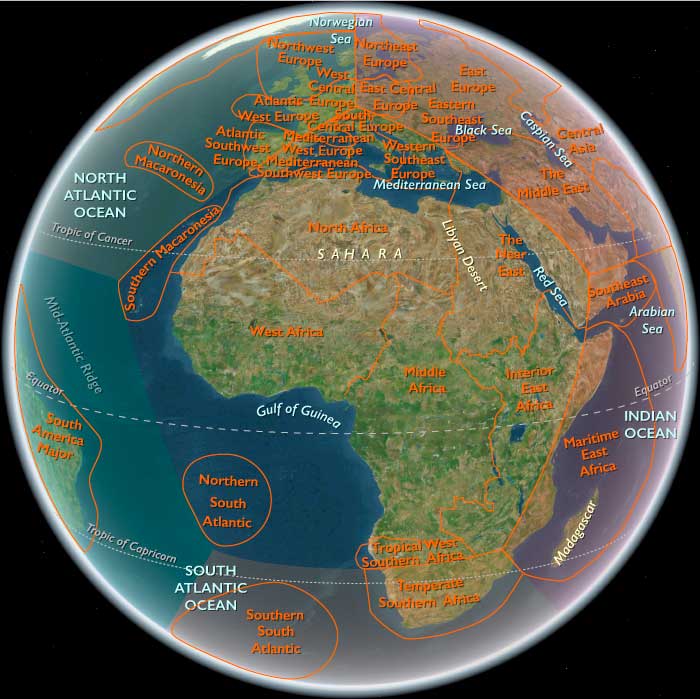
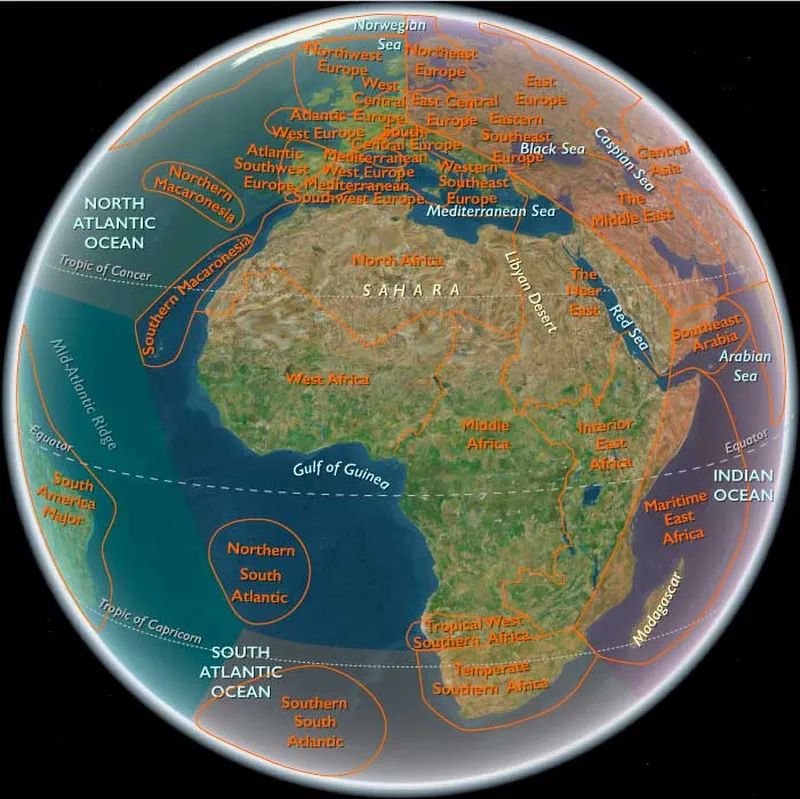 The Middle of The Earth
World
-
{# Image navigates to the detail page; the magnifying-glass chip is the only Fancybox lightbox trigger (kept a separate sibling — anchors can't nest). #}
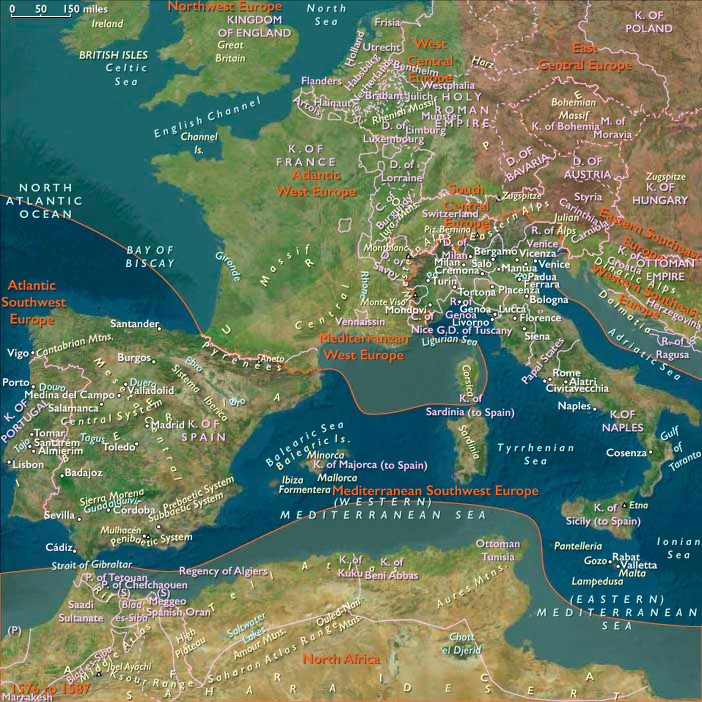 Southwest Europe
Region
-
{# Image navigates to the detail page; the magnifying-glass chip is the only Fancybox lightbox trigger (kept a separate sibling — anchors can't nest). #}
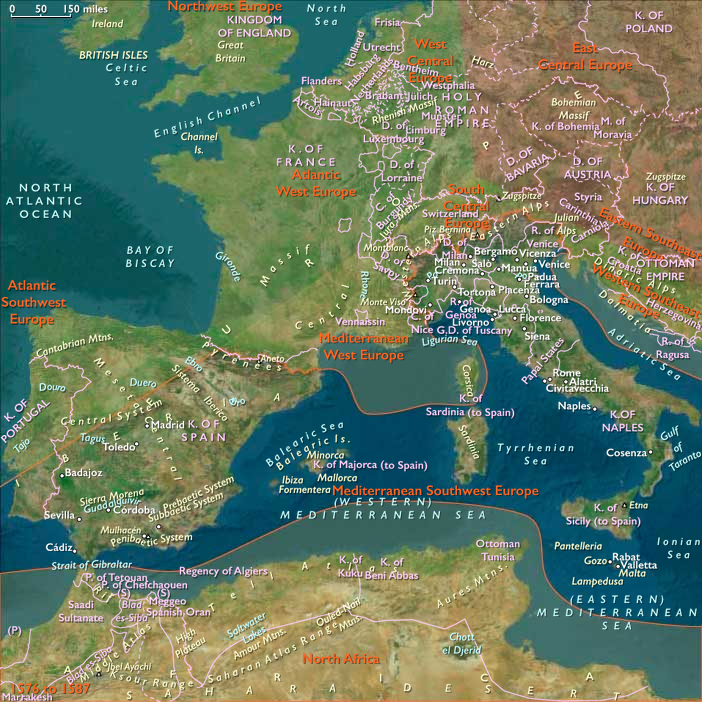 Mediterranean Southwest Europe
Subregion