
Leo IX sets out against the Normans …
Years: 1053 - 1053
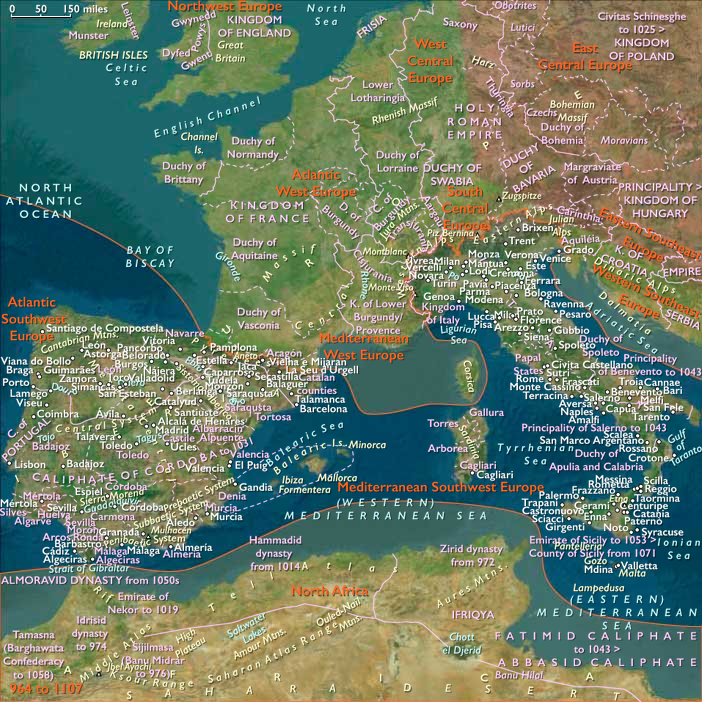
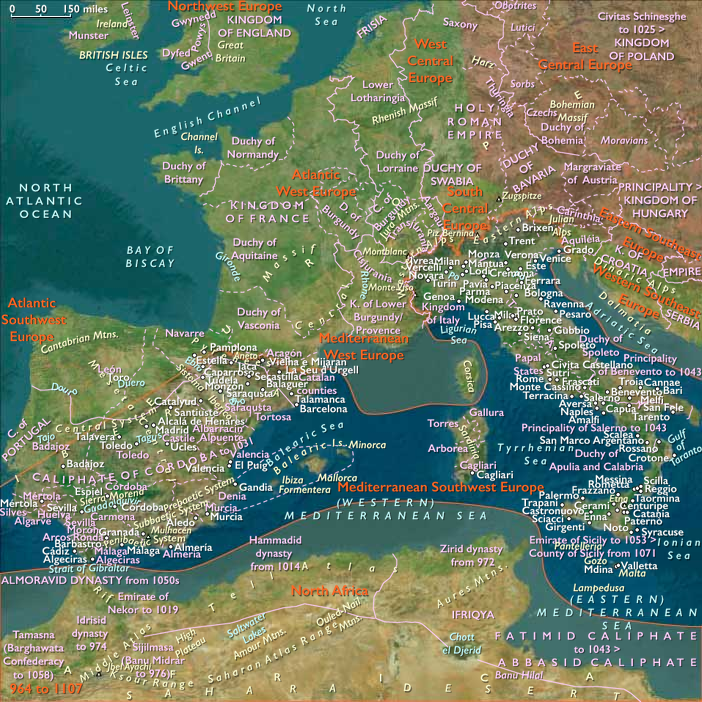
Leo IX sets out against the Normans in the south with an army in the late spring of 1053.
The Normans understand the danger and collect all available men to form a single army under the command of the new Count of Apulia and Drogo's eldest surviving brother, Humphrey of Hauteville, as well as the Count of Aversa, Richard Drengot, and others of the de Hauteville family, among which is Robert, later known under the name of Robert Guiscard.
Guiscard, leading the combined forces of Normans from Apulia and Campania on June 18, 1053, defeats the haphazardly led forces of the Empire, the Lombards, and the papacy at the decisive Battle of Civitate.
Humphrey also plays an important role in the battle, as does Prince Richard I of Capua.
The Swabians are cut to pieces.
Nonetheless, on going out from the city to meet the victorious enemy, Leo is received with every token of submission, pleas for forgiveness and oaths of fidelity and homage.
After preparing a siege of the town of Civitate itself, the Pope is taken prisoner by the victorious Normans, who allow him to maintain contact with the outside world and to receive visitors.
According to John Julius Norwich, Leo attempts a long, passive resistance to agreeing to anything for the Normans, and is waiting for an imperial relief army from Germany.
In addition, Norwich believes that despite the lack of concrete support until later popes, Leo did eventually acknowledge the Normans as the rulers of the South in order to get a release for his freedom.
Meanwhile, Argyros and the imperil army are forced to disband and return to Greece via Bari, since their forces are not strong enough to fight the Normans now that the papal forces have been defeated.
Argyros may even have been banished from the Empire by Constantine himself.
Locations
People
- Argyrus
- Constantine IX Monomachos
- Henry III, Holy Roman Emperor
- Humphrey of Hauteville
- Pope Leo IX
- Richard I of Capua
- Robert Guiscard
Groups
- Lombards (West Germanic tribe)
- Hungarian people
- Christianity, Chalcedonian
- Greeks, Medieval (Byzantines)
- Gaeta, Republic of
- Papal States (Republic of St. Peter)
- Roman Empire, Eastern: Macedonian dynasty
- Bohemia, Duchy of
- Normans
- Amalfi, Duchy of
- German, or Ottonian (Roman) Empire
- Italy, Kingdom of (Holy Roman Empire)
- Italy, Catepanate of
- Capua, Lombard Principality of
- Benevento, Lombard Duchy of
- Hungary, Kingdom of
- Apulia, County of
Topics
Commodoties
Subjects
Regions
Subregions
Years: 1053 - 1053
Locations
People
- Argyrus
- Constantine IX Monomachos
- Henry III, Holy Roman Emperor
- Humphrey of Hauteville
- Pope Leo IX
- Richard I of Capua
- Robert Guiscard
Groups
- Lombards (West Germanic tribe)
- Hungarian people
- Christianity, Chalcedonian
- Greeks, Medieval (Byzantines)
- Gaeta, Republic of
- Papal States (Republic of St. Peter)
- Roman Empire, Eastern: Macedonian dynasty
- Bohemia, Duchy of
- Normans
- Amalfi, Duchy of
- German, or Ottonian (Roman) Empire
- Italy, Kingdom of (Holy Roman Empire)
- Italy, Catepanate of
- Capua, Lombard Principality of
- Benevento, Lombard Duchy of
- Hungary, Kingdom of
- Apulia, County of
Topics
Commodoties
Subjects
Regions
Subregions