
The Lisbon Massacre of 1506: A Tragedy…
1506 CE
The Lisbon Massacre of 1506: A Tragedy of Religious Intolerance
In April 1506, a violent anti-Jewish riot erupted in Lisbon, leading to the massacre of thousands of Jewish converts (New Christians or Conversos). The pogrom, fueled by religious fanaticism, economic tensions, and underlying resentments, became one of the most horrific episodes of anti-Semitic violence in Portugal’s history.
Background: Forced Conversions and Expulsions (1496–1497)
- King Manuel I of Portugal (r. 1495–1521) initially welcomed Jewish scholars and merchants.
- However, as a condition for marrying Isabella of Aragon, the daughter of Ferdinand and Isabella of Spain, he was pressured to expel all unconverted Jews and Muslims from Portugal.
- In 1496, he issued a decree of expulsion, but rather than allowing Jews to freely emigrate, many were forcibly baptized and required to stay in Portugal as “New Christians”.
- Despite the promise of a 30-year grace period during which their religious practices would not be questioned, tensions between Old Christians and New Christians remained high.
The Lisbon Massacre (April 1506)
- The riot began on April 19, 1506, when Lisbon was suffering from plague and famine.
- A miracle was reported in a Dominican church, where a New Christian expressed skepticism, questioning the divine nature of a supposed light emanating from a crucifix.
- Enraged, the mob turned on the New Christians, accusing them of heresy, sacrilege, and secretly practicing Judaism.
- The riots lasted for three days, during which:
- 2,000–4,000 New Christians were murdered, many burned alive in the streets.
- Women and children were tortured and massacred.
- Homes and businesses of New Christians were looted and destroyed.
- The violence was encouraged by Dominican friars, who incited the mob against Conversos, and supported by foreign sailors who had been in the city’s port.
King Manuel I’s Response: Punishing the Perpetrators
- Upon hearing of the massacre, King Manuel I took swift action:
- He executed dozens of rioters, including several Dominican friars who had incited the violence.
- He disbanded the Dominican convent involved in the uprising.
- He reaffirmed the rights of New Christians, attempting to prevent further violence.
- Despite his actions, the massacre deeply damaged Portugal’s reputation and weakened the Jewish merchant community, many of whom had contributed to trade, finance, and scholarship.
Consequences and Long-Term Impact
-
Increased Insecurity Among New Christians
- Many New Christians fled Portugal, fearing further persecution and instability.
- Some sought refuge in the Ottoman Empire, Italy, and the Netherlands, strengthening the Sephardic Jewish diaspora.
-
Path to the Portuguese Inquisition (1536)
- The massacre demonstrated the deep resentment against New Christians, which would later lead to the formal establishment of the Portuguese Inquisition under John III in 1536.
- This event paved the way for centuries of persecution of Conversos suspected of secretly practicing Judaism (crypto-Jews).
-
Economic Consequences
- The destruction of New Christian businesses and networks hurt Portugal’s commerce and financial sector, which relied on their expertise and connections.
Conclusion: A Dark Chapter in Portugal’s History
The Lisbon Massacre of 1506 was a brutal episode of religious violence, highlighting the fragility of tolerance in Portugal during the early 16th century. Despite King Manuel I’s attempts to punish those responsible, the massacre exposed deep societal divisions, contributing to Portugal’s eventual embrace of the Inquisition and further Jewish migration out of Iberia.
People
Groups
Regions
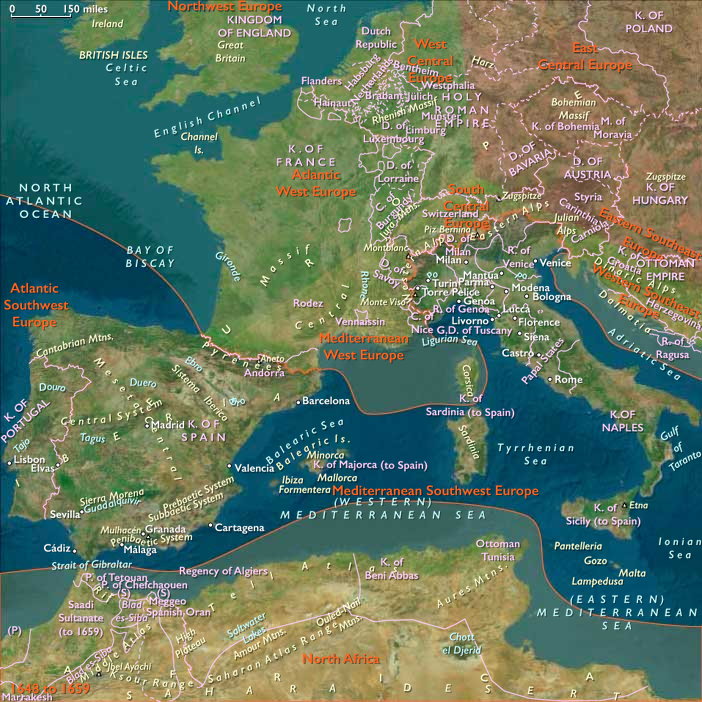
Southwest Europe
View →Subregions
