Miguel de Arruda: A Master Architect of…
1533 CE
Miguel de Arruda: A Master Architect of Renaissance Portugal
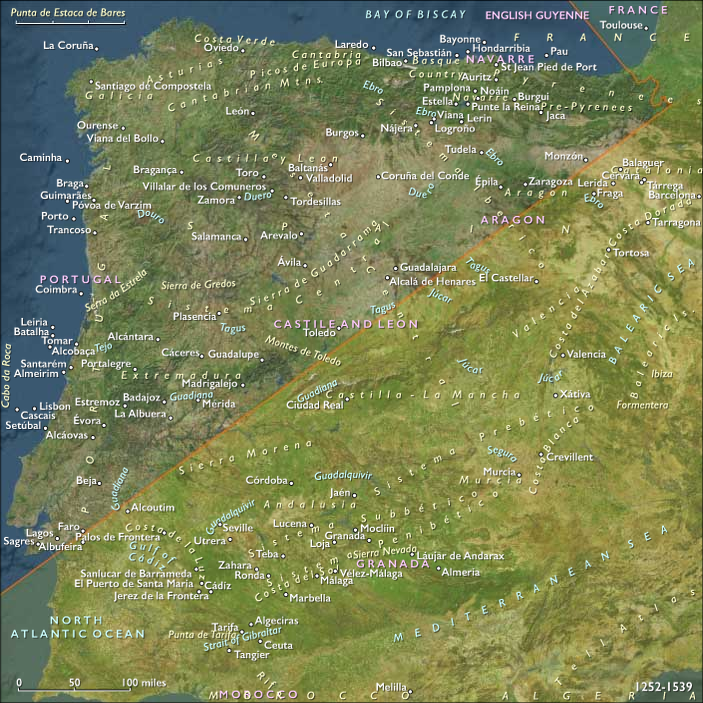
Miguel de Arruda was a prominent Portuguese architect and military engineer from a family with a long tradition of designing and constructing important secular and religious structures in Portugal. His architectural contributions, particularly in Santarem and Lisbon, cemented his reputation as one of the leading figures of Portuguese Renaissance architecture.
Notable Works and Architectural Contributions
-
Palace at Santarém
- One of Arruda’s most distinguished projects, the Palace at Santarém, showcased his mastery of Renaissance design.
- The palace reflected a blend of classical elements and Portuguese Manueline influences, emphasizing symmetry, proportion, and decorative details.
-
Cloister of the Church of Santa Ana, Lisbon
- In Lisbon, Miguel de Arruda designed the cloister for the Church of Santa Ana, a remarkable example of Renaissance and Manueline architectural fusion.
- Cloisters played a significant role in Portuguese religious architecture, serving as meditative spaces adorned with intricate stonework and arcades.
- His design exhibited elegant columns, rounded arches, and fine detailing, reflecting the transition from Gothic to Renaissance styles in Portugal.
Legacy in Portuguese Architecture
- Miguel de Arruda’s architectural style balanced tradition and innovation, incorporating:
- Manueline decorative elements, characteristic of Portugal’s Age of Exploration.
- Renaissance-inspired symmetry and spatial organization, influenced by Italian classical design.
- His family lineage of architects contributed to Portugal’s architectural heritage, leaving a lasting impact on both secular and religious structures.
Conclusion: A Renowned Architect of Portugal’s Renaissance
Miguel de Arruda’s work, particularly in Santarém and Lisbon, exemplified the evolution of Portuguese architecture during the Renaissance. His designs merged local artistic traditions with European influences, making him a key figure in the architectural transformation of Portugal in the early 16th century.
Locations
Regions
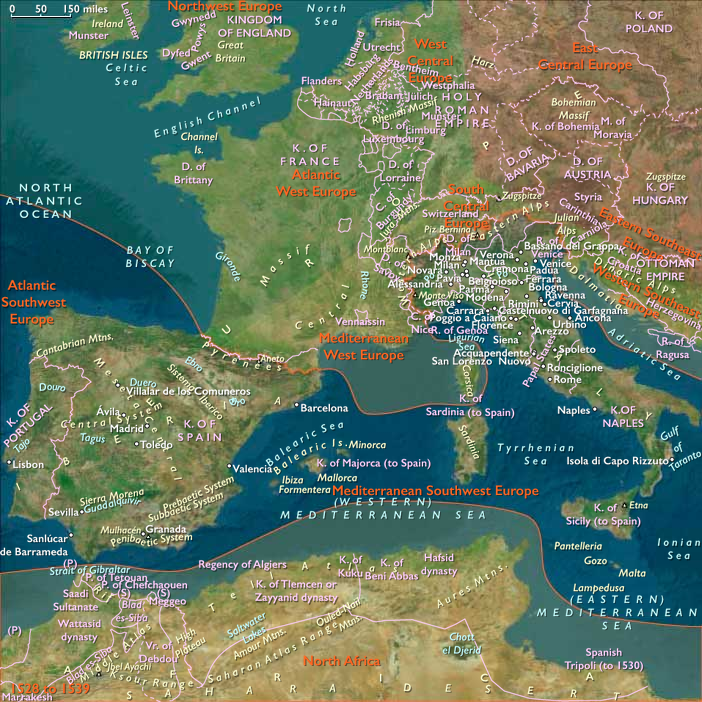
Southwest Europe
View →Subregions