Event
Mpu Sindok, king of the Sanjaya Dynasty,…
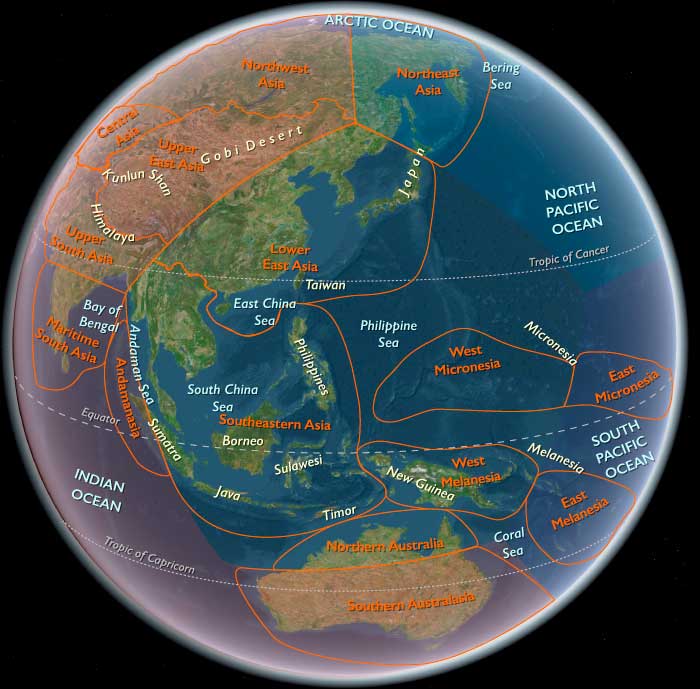
Mpu Sindok, king of the Sanjaya Dynasty, moves the seat of power of the Mataram kingdom from Central Java to East Java in 929, probably as a result of the eruption of Mount Merapi and/or invasion from Srivijaya.
The historic massive volcano eruption is popularly known as Pralaya Mataram (the death of Mataram).
The evidence for this eruption can be seen in several temples that were virtually buried under Merapi's lahar and volcanic debris, such as the Sambisari, Morangan, Kedulan, and Pustakasala temples.
Another theory suggests that the shift of capital city eastward was to avoid a Srivijaya invasion, or was motivated by economic reasons.
The Brantas river valley is considered to be a strategic location for the control of maritime trade routes to the eastern parts of archipelago, being especially vital for control of the Maluku spice trade.
The new capital of the kingdom is Watugaluh, on the banks of the Brantas River, near the present day Jombang Regency.
The name of the new kingdom is changed from Mataram to "Medang", although it is still frequently referred to as "Mataram" in various pieces of literature.
Mpu Sindok is also the founder of the Isyana Dynasty, and thus the new kingdom is also sometimes referred to as "Isyana".
An inscription currently in the museum of Kolkata, India, describes Mpu Sindok's descendants down to Airlangga, in the eleventh century.
Mpu Sindok has two wives, one of whom, Sri Parameswari Dyah Kbi, is probably the daughter of Dyah Wawa, the preceding king of Mataram in Central Java.
Thus, Mpu Sindok had succeeded to the throne of Mataram because of his marriage.
-
{# Image navigates to the detail page; the magnifying-glass chip is the only Fancybox lightbox trigger (kept a separate sibling — anchors can't nest). #}
 The Far East
World
The Far East
World
-
{# Image navigates to the detail page; the magnifying-glass chip is the only Fancybox lightbox trigger (kept a separate sibling — anchors can't nest). #}
 Southeast Asia
Region
Southeast Asia
Region
-
{# Image navigates to the detail page; the magnifying-glass chip is the only Fancybox lightbox trigger (kept a separate sibling — anchors can't nest). #}
 Sundachina
Subregion
Sundachina
Subregion