The Massacre of Évora (July 30, 1808)…
July 1808 CE
The Massacre of Évora (July 30, 1808) – A Turning Point in the Peninsular War
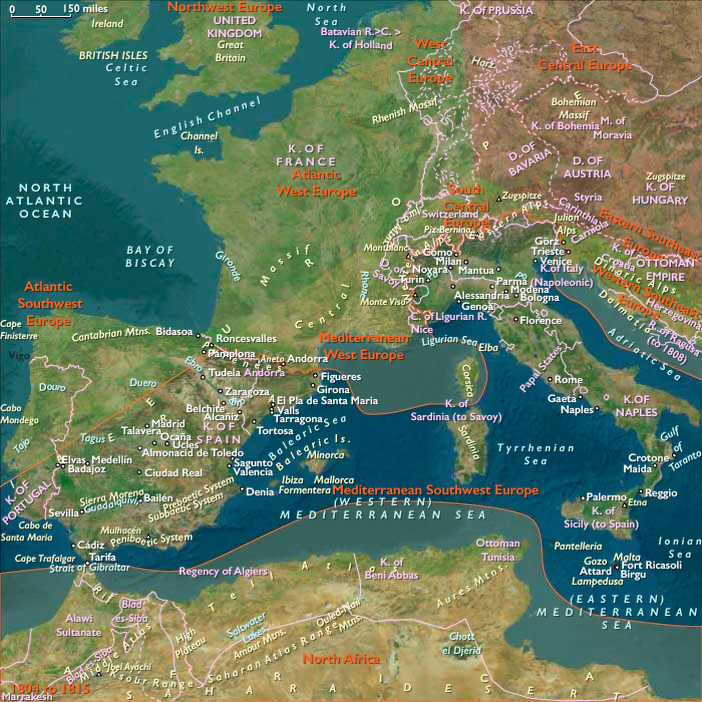
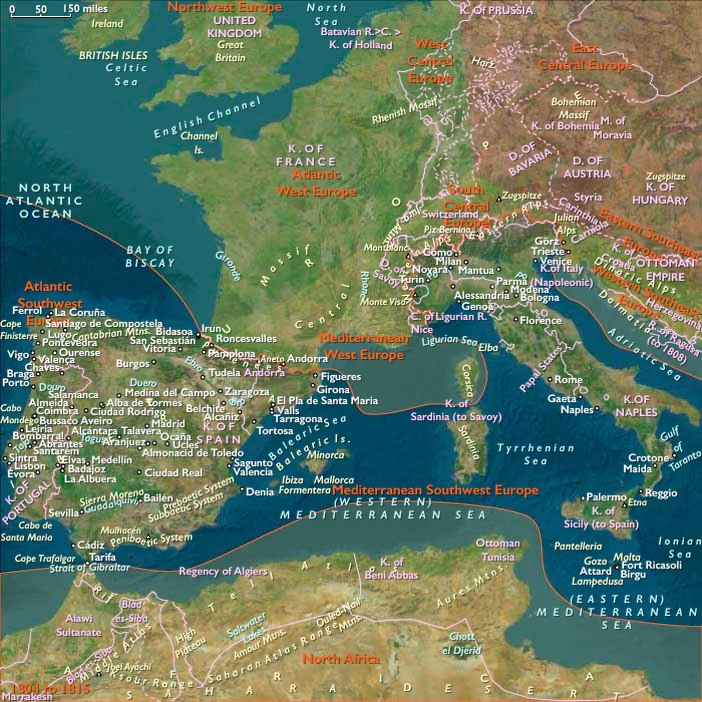
Following the Battle of Évora (July 29, 1808), French General Henri-Louis Loison ordered a brutal massacre of the town's inhabitants on July 30, slaughtering men, women, and children. The sacking of Évora, combined with the mass French casualties at Bailén, had profound consequences for the future of Spanish and Portuguese relations with Britain and the Peninsular War.
The Évora Massacre – French Atrocities in Portugal
- After breaking through the town’s defenses, French troops indiscriminately killed civilians and defenders alike.
- Women, children, and elderly residents were not spared, as Loison’s men pillaged, burned, and destroyed the city.
- The massacre horrified the Portuguese population, strengthening national resistance against the French occupation.
The Battle of Bailén (July 23, 1808) – A Spanish Victory That Shattered Napoleon’s Myth of Invincibility
Just days before the Évora massacre, in southern Spain, Spanish General Francisco Javier Castaños decisively defeated French General Pierre Dupont at Bailén.
- 18,000 French troops surrendered, marking Napoleon’s first major battlefield defeat.
- The humiliating loss shattered French prestige, emboldening Spanish and Portuguese resistance.
- Bailén’s victory convinced Britain that Spain could resist Napoleon, leading to greater British support for the war.
The Impact of Bailén and Évora on British Relations
The events of Bailén and Évora fundamentally shaped Spain and Portugal’s relationships with Britain:
-
For Spain:
- Bailén strengthened Spanish confidence, leading Spain to seek closer military ties with Britain.
- However, British troops were often viewed with suspicion, as Spain remained proud of its own ability to defeat the French.
- The uneasy alliance between Britain and Spain during the Peninsular War was marked by occasional friction over strategy and leadership.
-
For Portugal:
- The massacre at Évora confirmed French brutality, increasing Portuguese reliance on Britain for liberation.
- Portugal, lacking a strong independent army, would fully embrace the British military presence, particularly under Sir Arthur Wellesley (later Duke of Wellington).
- Unlike Spain, Portugal welcomed British leadership, allowing Britain to reshape the Portuguese army under Marshal William Carr Beresford.
Conclusion – A Turning Point in the Peninsular War
The twin events of Bailén and Évora in July 1808 were pivotal moments in the Peninsular War:
- Bailén proved that Napoleon’s armies could be beaten, while
- Évora demonstrated the full horror of French occupation, fueling Portuguese resistance.
These contrasting experiences shaped British-Spanish-Portuguese relations, ensuring that Spain pursued an uneasy alliance with Britain, while Portugal became fully dependent on British military leadership for its survival and eventual liberation.
Locations
Groups
Regions
Southwest Europe
View →Subregions