The Berlin Decree (1806) and the Continental…
November 1806 CE
The Berlin Decree (1806) and the Continental System – Napoleon’s Economic War Against Britain
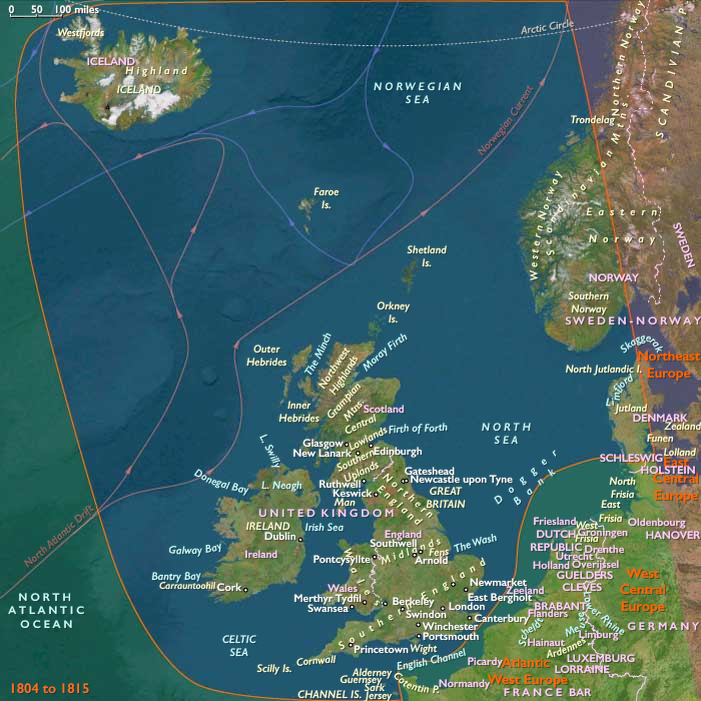
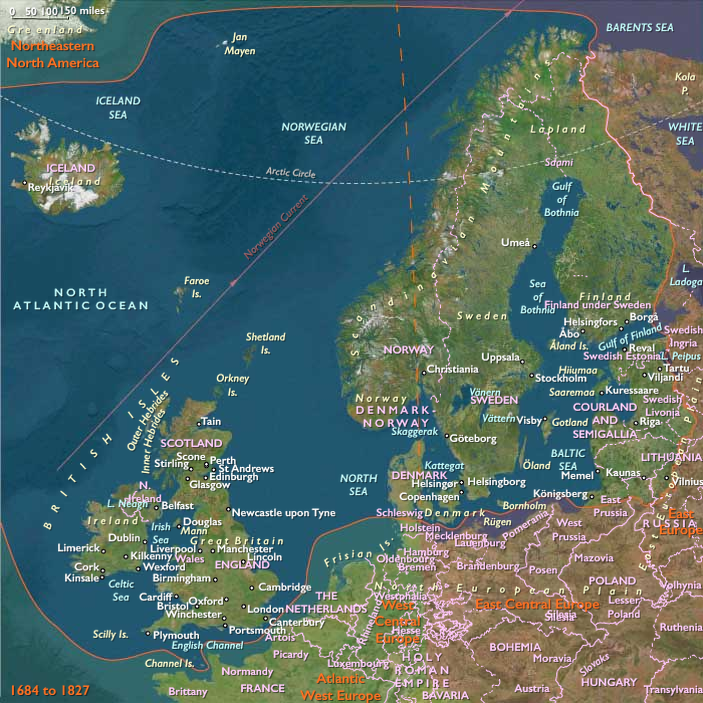
On November 21, 1806, Napoleon issued the Berlin Decree, imposing the Continental System, a blockade designed to cripple the British economy by forbidding European nations under French influence from trading with Britain.
Napoleon’s Strategy – Economic Warfare
- The Royal Navy’s dominance at sea meant that France could not defeat Britain through direct invasion.
- Instead, Napoleon sought to strangle Britain economically, cutting off its trade with continental Europe.
- The Continental System aimed to isolate Britain, depriving it of European markets and weakening its financial resources for war.
Key Provisions of the Berlin Decree (1806)
- All British trade with continental Europe was prohibited.
- British goods were declared contraband and subject to seizure.
- Neutral ships that had docked in British ports were banned from entering French-controlled ports.
- Britain was declared “in a state of blockade”, even though France lacked naval power to enforce a maritime blockade.
Expansion of the Continental System
Napoleon extended the blockade through further decrees:
- The Milan Decree (1807) – Strengthened the Continental System, declaring that any ship complying with British trade regulations could be seized by the French.
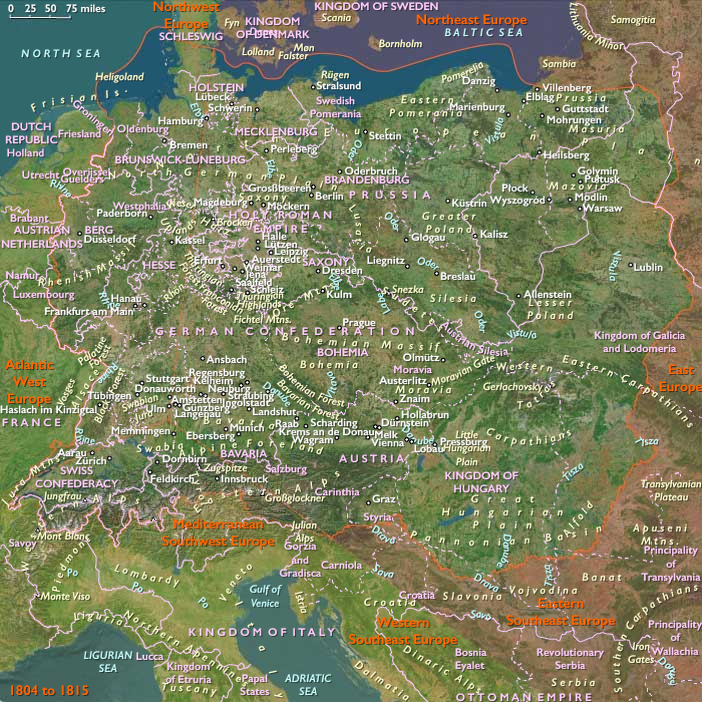
- Treaties with Russia, Prussia, and Austria forced these nations to enforce the blockade.
- French forces occupied Portugal in 1807, ensuring its compliance with the system.
Challenges and Failures of the Continental System
Despite Napoleon’s efforts, the Continental System ultimately failed due to:
- Smuggling and Black Markets – British goods were still traded illegally, especially through Portugal, Spain, and Scandinavia.
- Economic Hardship in Europe – The blockade harmed European economies, leading to resentment among Napoleon’s allies.
- British Control of the Seas – Britain found alternative markets, expanding trade with the Americas, India, and the Middle East.
- Russia’s Defiance (1810–1812) – Tsar Alexander I withdrew from the system, reopening trade with Britain, which led Napoleon to launch the disastrous Russian invasion in 1812.
Conclusion – An Unsuccessful Attempt to Defeat Britain
The Continental System was Napoleon’s greatest attempt at economic warfare, but it failed to bring Britain to its knees. Instead, it weakened France’s own allies, contributed to Spain and Portugal’s resistance, and ultimately pushed Russia away from Napoleon, leading to the ruinous 1812 campaign.
While the Berlin Decree (1806) and the Continental System represented a bold strategy, they ultimately hastened Napoleon’s downfall rather than Britain’s.
People
Groups
Topics
Commodities
Subjects
Regions


Subregions

East Europe
View →
Northeast Europe
View →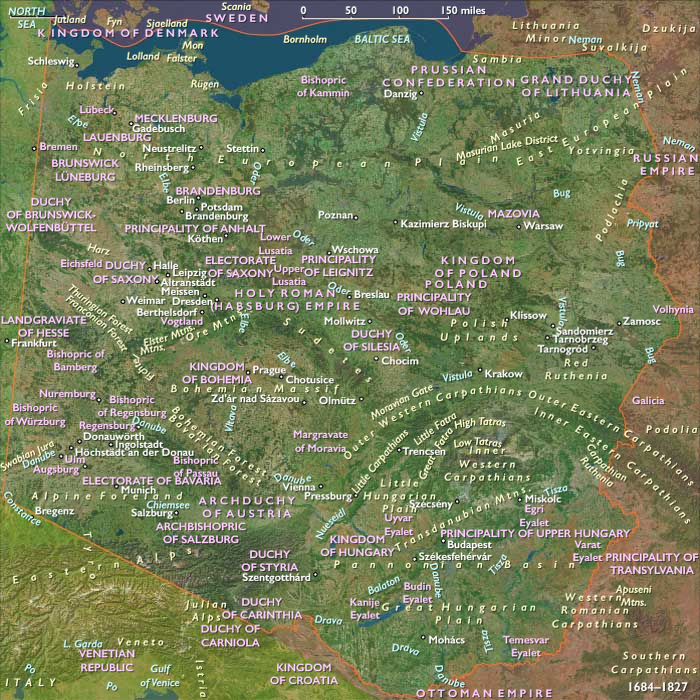
East Central Europe
View →
Eastern Southeast Europe
View →
Western Southeast Europe
View →
South Central Europe
View →
Mediterranean West Europe
View →
Mediterranean Southwest Europe
View →
Atlantic Southwest Europe
View →
Atlantic West Europe
View →
West Central Europe
View →