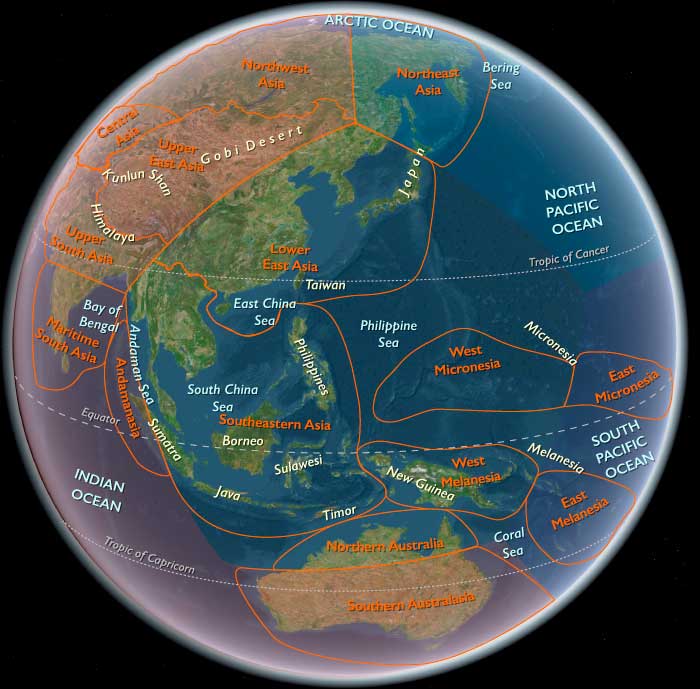
Event
Negrito, proto-Malay, and Malay peoples are the…
Negrito, proto-Malay, and Malay peoples are the principal peoples of the Philippine archipelago.
The Negritos are believed to have migrated by land bridges some thirty thousand years ago, during the last glacial period.
Later migrations are by water and take place over several thousand years in repeated movements before and after the start of the Christian era.
The social and political organization of the population in the widely scattered islands has evolved into a generally common pattern.
Only the permanent-field rice farmers of northern Luzon have any concept of territoriality.
The basic unit of settlement is the barangay, originally a kinship group headed by a datu (chief).
Within the barangay, the broad social divisions consist of nobles, including the datu; freemen; and a group described before the Spanish period as dependents.
Dependents include several categories with differing status: landless agricultural workers; those who have lost freeman status because of indebtedness or punishment for crime; and slaves, most of whom appear to have been war captives.
Islam is brought to the Philippines by traders and proselytizers from the Indonesian islands.
By 1500 Islam ihad been established in the Sulu Archipelago and spread from there to Mindanao; it reaches the Manila area by 1565.
Muslim immigrants introduce a political concept of territorial states ruled by rajas or sultans who exercise suzerainty over the datu.
Neither the political state concept of the Muslim rulers nor the limited territorial concept of the sedentary rice farmers of Luzon, however, spreads beyond the areas where they originate.
When the Spanish arrive in the sixteenth century, the majority of the estimated five hundred thousand people in the islands still live in barangay settlements.
-
{# Image navigates to the detail page; the magnifying-glass chip is the only Fancybox lightbox trigger (kept a separate sibling — anchors can't nest). #}
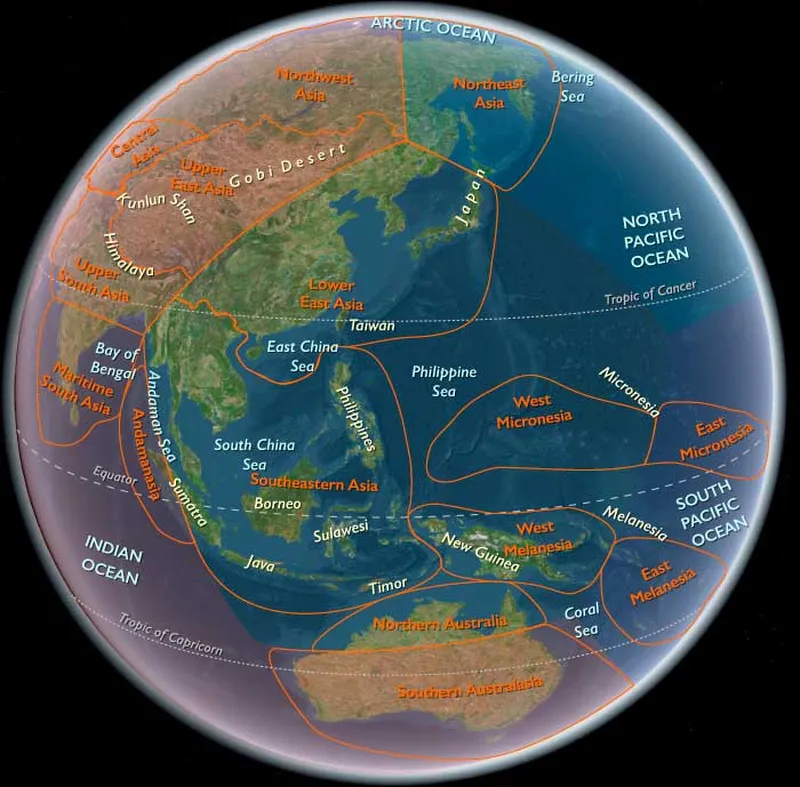 The Far East
World
-
{# Image navigates to the detail page; the magnifying-glass chip is the only Fancybox lightbox trigger (kept a separate sibling — anchors can't nest). #}
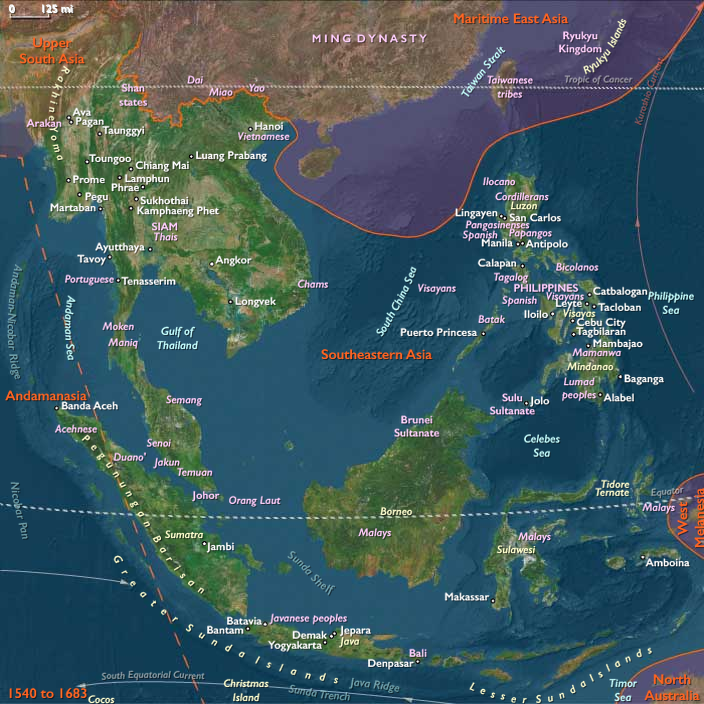 Southeast Asia
Region
-
{# Image navigates to the detail page; the magnifying-glass chip is the only Fancybox lightbox trigger (kept a separate sibling — anchors can't nest). #}
 Sundachina
Subregion