
Natives account for less than a quarter …
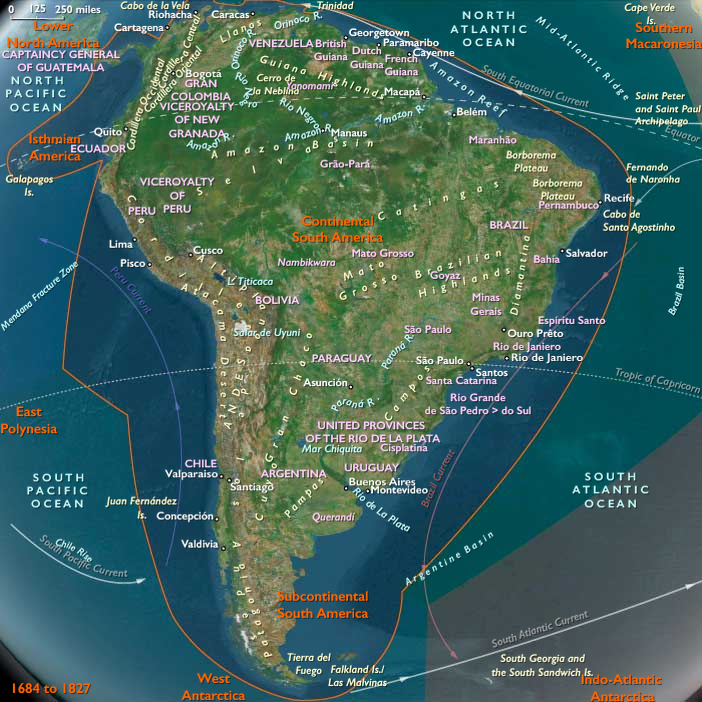
Years: 1684 - 1827
Natives account for less than a quarter of New Granada's total of roughly one million four hundred thousand inhabitants by the close of the colonial period,
This change naturally reflects both the expansion of other demographic groups and the drastic fall in native numbers as a result of European diseases, mistreatment, and the widespread disruption of traditional lifestyles.
In some peripheral areas, such as the Colombian portion of the Amazon basin, the Spanish have no incentive to establish effective control, and the ancestral modes of political and social organization remain in effect.
In the central highlands and other areas of permanent Spanish settlement, however, the situation of the indigenous peoples is different.
Imperial policy aims to group them into villages where they will have their own local magistrates and will continue to own lands in common (resguardos) just as before the conquest, although under ultimate control of the Spanish and owing tribute to the crown itself or, especially in the first century of colonial rule, to individual Spanish encomenderos.
In practice, the natives are often irregularly stripped of their lands and compelled to labor for the newcomers.
Willingly or not, they also adopt many aspects of European civilization, from chickens and iron tools to the Roman Catholic faith.
In the Muisca heartland, all have become monolingual Spanish speakers by the end of the colonial period (in return contributing place-names and other terms to the speech of their conquerors).
Agriculture remains the principal activity of indigenous villages, the small farms of many mestizos or poor whites, and the large estates of the socially prominent.
Products are the same as before the Europeans' arrival but with the addition of such novelties as wheat, which is consumed mainly by Spaniards and criollos.
The hacienda owners also take particular interest in raising livestock.
Whether cattle or crops, almost all of this production is for domestic consumption.
This change naturally reflects both the expansion of other demographic groups and the drastic fall in native numbers as a result of European diseases, mistreatment, and the widespread disruption of traditional lifestyles.
In some peripheral areas, such as the Colombian portion of the Amazon basin, the Spanish have no incentive to establish effective control, and the ancestral modes of political and social organization remain in effect.
In the central highlands and other areas of permanent Spanish settlement, however, the situation of the indigenous peoples is different.
Imperial policy aims to group them into villages where they will have their own local magistrates and will continue to own lands in common (resguardos) just as before the conquest, although under ultimate control of the Spanish and owing tribute to the crown itself or, especially in the first century of colonial rule, to individual Spanish encomenderos.
In practice, the natives are often irregularly stripped of their lands and compelled to labor for the newcomers.
Willingly or not, they also adopt many aspects of European civilization, from chickens and iron tools to the Roman Catholic faith.
In the Muisca heartland, all have become monolingual Spanish speakers by the end of the colonial period (in return contributing place-names and other terms to the speech of their conquerors).
Agriculture remains the principal activity of indigenous villages, the small farms of many mestizos or poor whites, and the large estates of the socially prominent.
Products are the same as before the Europeans' arrival but with the addition of such novelties as wheat, which is consumed mainly by Spaniards and criollos.
The hacienda owners also take particular interest in raising livestock.
Whether cattle or crops, almost all of this production is for domestic consumption.
Locations
Groups
- Tairona
- Arawak peoples (Amerind tribe)
- Kalinago (Amerind tribe)
- Christians, Roman Catholic
- Muisca (Amerind tribe)
- Spaniards (Latins)
- Spain, Habsburg Kingdom of
- Granada, New Kingdom of (Spanish colony)
- Peru, Viceroyalty of
- Spain, Habsburg Kingdom of
- Quito, Real Audiencia of
- Bogotá, Audiencia de Santa Fe de (Captaincy General of New Granada)
- Venezuela Province
- New Granada, Viceroyalty of
- New Granada, Viceroyalty of
- Venezuela, Captaincy General of
Topics
Commodoties
Subjects
Regions
Subregions
Related Events
Showing 10 events out of 30218 total
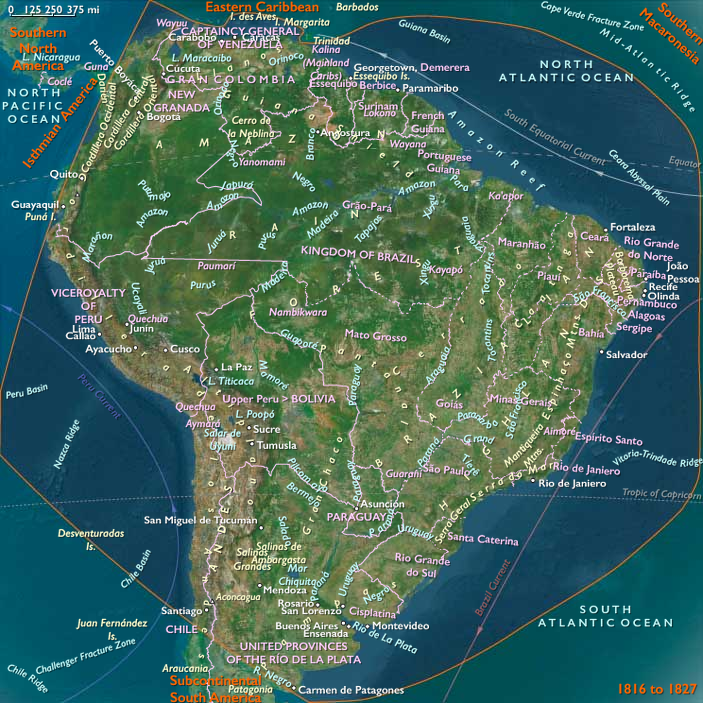
Years: 1684 - 1827
Locations
Groups
- Tairona
- Arawak peoples (Amerind tribe)
- Kalinago (Amerind tribe)
- Christians, Roman Catholic
- Muisca (Amerind tribe)
- Spaniards (Latins)
- Spain, Habsburg Kingdom of
- Granada, New Kingdom of (Spanish colony)
- Peru, Viceroyalty of
- Spain, Habsburg Kingdom of
- Quito, Real Audiencia of
- Bogotá, Audiencia de Santa Fe de (Captaincy General of New Granada)
- Venezuela Province
- New Granada, Viceroyalty of
- New Granada, Viceroyalty of
- Venezuela, Captaincy General of
Topics
Commodoties
Subjects
Regions
Subregions