
Northeastern Eurasia (820 – 963 CE): Taiga–Tundra …
Years: 820 - 963
Northeastern Eurasia (820 – 963 CE): Taiga–Tundra Lifeways, River Emporia, and Steppe–Sea Gateways
Geographic and Environmental Context
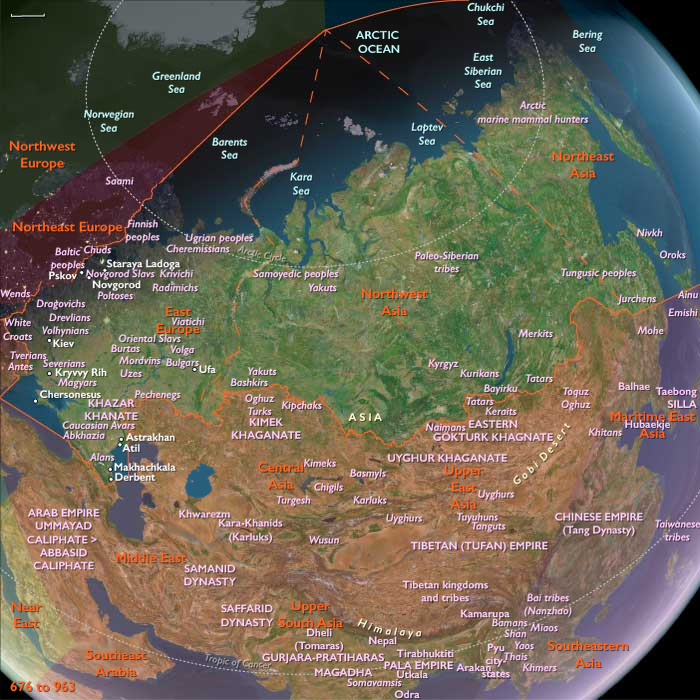
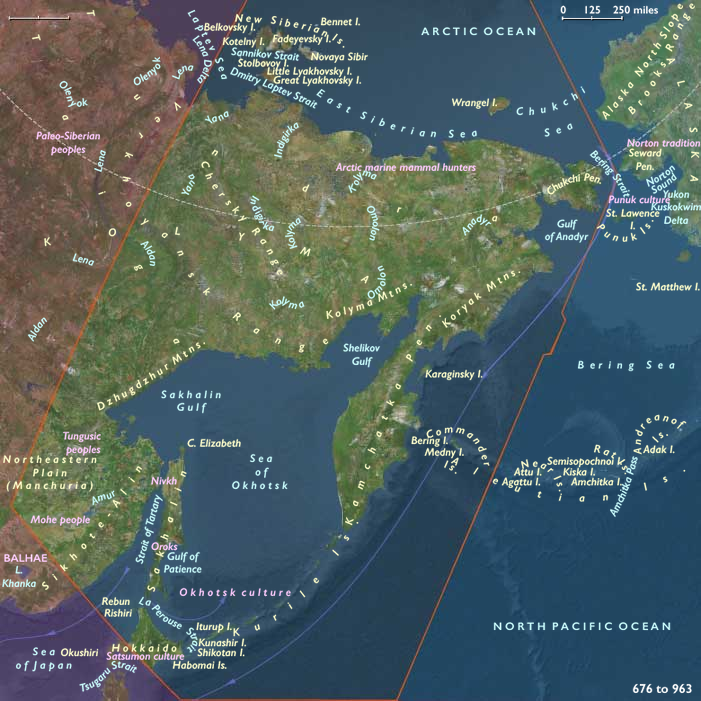
From the Lena–Amur forests to the Sea of Okhotsk, across the Ob–Yenisei plains to the Dnieper–Volga–Don riverlands, Northeastern Eurasia formed a mosaic of taiga, tundra, and maritime coasts interlaced by great waterways.
Three interlocking spheres defined the region:
-
Northeast Asia: the Amur–Ussuri basin, Sakhalin–Okhotsk shores, Kamchatka, and northern Hokkaidō—salmon rivers, seal rookeries, and reindeer ranges.
-
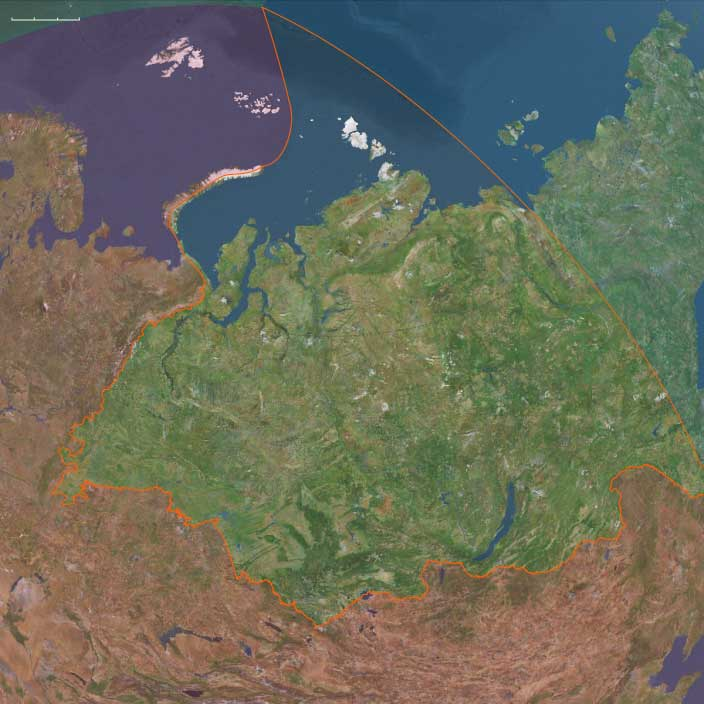
Northwest Asia: the Ob–Irtysh and Yenisei systems, the West Siberian Plain, and Sayan–Altai forelands—fur forests feeding Inner Asian markets.
-
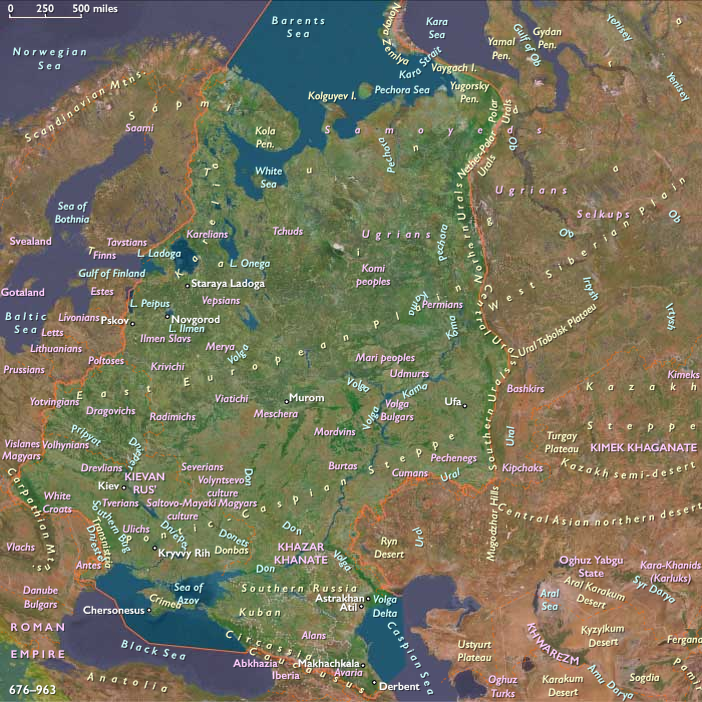
East Europe: the Dnieper, Volga, Dvina, Oka, and Don routes—portage-linked corridors forging Kievan Rus’ under the shadow of Khazar and Volga Bulgar gatekeepers.
Climate and Environmental Shifts
A cool to subarctic regime prevailed: long snowy winters and short, highly productive summers.
-
In the Amur–Okhotsk and taiga–tundra belts, interannual swings in salmon runs and reindeer forage set subsistence calendars.
-
On the Ob–Yenisei, modest mid-10th-century warming slightly extended ice-free navigation windows.
-
In East Europe, early Medieval Warm Period signals (after c. 950) lengthened growing seasons on the forest-steppe, but flood pulses and winter freeze continued to structure river transport.
Environmental predictability remained sufficient for robust ecological and commercial cycles, while variability encouraged portfolio subsistence and route redundancy.
Societies and Political Developments
Northeast Asia – River Clans and Ainu–Okhotsk Frontiers
-
Nivkh, Ulch, Nanai (Hezhe) organized riverine clans along the lower Amur–Sakhalin littoral, centered on salmon and seal economies; they traded sable, ginseng, and skins south via Balhae/Liao brokers for iron and cloth.
-
Evenki/Even (Tungusic) combined reindeer herding, trapping, and long-distance hunting from the Amur headwaters into the taiga interior.
-
Koryak, Itelmen, Chukchi in the Kamchatka–Chukchi arc specialized in sea-mammal hunts with inland caribou pursuits; authority rested with accomplished hunters and ritual leaders.
-
On northern Hokkaidō (Ezo), Satsumon farmers (Ainu forebears) grew millet/barley at the margins but relied chiefly on salmon–deer and coastal trade; overlapping with Okhotsk sea-hunters (5th–10th c.), their intermarriage, exchange, and conflict helped catalyze Ainu ethnogenesis.
Northwest Asia – Yenisei Kyrgyz and the Taiga Confederacies
-
The Yenisei Kyrgyz (Upper Yenisei/Minusinsk) toppled the Uyghur Khaganate (840) and policed Sayan–Altai passes, taxing caravan and fur flows while parleying with late Tang.
-
Ob-Ugric (Khanty, Mansi), Selkup, Ket, Nenets and allied Samoyedic/Finnic bands managed sago-like (fish-oil) economies of riverine fisheries, reindeer, and fur, governed by seasonal councils and flexible band leadership.
-
Along the steppe rim, Kimek–Kipchak and Oghuz confederations brokered horses, felt, and metalware for pelts and oils, alternating trade with raiding.
East Europe – Varangians, Khazars, and the Making of Rus’
-
Varangian merchant-warriors entered forest routes in the 9th c., installing ruling groups amid Slavic and Finnic unions. Rurik (862) and Oleg (seizure of Kiev, 882) united the “route from the Varangians to the Greeks,” making Kiev the hinge of tribute and treaty.
-
The Khazar Khaganate controlled the Volga–Don–Caspian gates and taxed north–south trade; its elite embraced Judaism in the 9th c.
-
Volga Bulgars at the Volga–Kama confluence converted to Islam (922), binding the forest routes to the Samanid silver economy.
-
Magyars departed the steppe for the Carpathian Basin (c. 895–907); Pechenegs filled the Pontic steppe, pressuring Dnieper traffic until the next age.
-
Rus’–Byzantine relations moved from raids (860) to treaties (907/911, per later compilations), regulating dues and mercenary service.
Economy and Trade
-
Fur circuits: sable, marten, squirrel, fox, and ermine moved from taiga traps down the Amur and Ob–Yenisei to Balhae/Liao, Khwarazm/Volga-Bulghar, and Rus’ brokers; walrus ivory and seal oil from the Arctic littoral complemented flows.
-
Silver inflows: Samanid dirhams poured into the north via Volga Bulgar and Khazar hubs, feeding a hack-silver economy; hoards from Gotland/Uppland/Åland to Ladoga–Novgorod–middle Dnieper register the monetary tide.
-
East European exports: furs, wax, honey, slaves, falcons; imports included Byzantine silks and wine (Dnieper) and glassware/metalwork (Volga).
-
Northeast Asia exchanges: Hokkaidō sent dried salmon, deer hides, eagle feathers, amber to Wajin merchants, receiving iron blades, steel spearheads, lacquerware, textiles.
-
Kyrgyz mediation: horses, felt, and metalwork to the steppe; tribute in furs from taiga bands.
Subsistence and Technology
-
Fisheries & preservation: salmon weirs, basket traps, net drives; drying, smoking, oil rendering secured winter calories across the taiga–coast.
-
Maritime hunting: composite toggling harpoons, skin boats, ice-edge hunting; coastal drive techniques on the Okhotsk littoral.
-
Mobility kits: skis, snowshoes, dog/reindeer sleds, birch-bark or dugout canoes; portable hide or plank-earth dwellings.
-
Arms & tools: traded iron knives/axes prized and refitted locally; bone/antler points and stone adzes persisted; Kyrgyz cavalry fielded stirrups, lamellar armor, lances.
-
River craft: lightweight monoxyla and plank-built boats for East European portages; winter sled freight over frozen rivers.
Movement and Interaction Corridors
-
Amur River as continental artery; La Pérouse Strait and Okhotsk coasts tying Sakhalin–Hokkaidō–Kamchatka; winter over-ice routes across bays and estuaries.
-
Ob–Irtysh to Khwarazm/Volga Bulghar via Ural portages; Yenisei to Minusinsk and Inner Asia.
-
“Varangians to the Greeks” (Dvina/Volkhov–Dnieper) vs. Volga–Caspian route; when Pechenegs menaced the Dnieper, merchants pivoted to the Volga.
-
Steppe rims funneled Kyrgyz, Kimek–Kipchak, and Oghuz interactions with forest and riverine polities.
Belief and Symbolism
-
Animism & shamanism dominated: river/sea/mountain spirits; bear and first-kill rites; shamans with drums and antlered headdresses mediating luck and healing.
-
Ainu (Satsumon)–Okhotsk exchange framed the iyomante (bear-sending) as emblem of reciprocity with powerful beings.
-
Kyrgyz honored Tengri; cairns and stelae marked elite lines.
-
East Europe hosted a religious kaleidoscope: Slavic and Finnic paganisms, Norse cults, Khazar Judaism, Volga Bulgar Islam, and early Byzantine Christian contacts along the lower Dnieper and Crimea.
Adaptation and Resilience
-
Multi-resource scheduling spread risk across salmon runs, ungulate migrations, and sea-mammal seasons.
-
Food storage & communal drives buffered lean years; oil and dried fish functioned as portable wealth.
-
Exchange flexibility—pelts, oils, antler, crafted bone—substituted when iron or grain imports lagged.
-
Territorial fluidity—shared stations, negotiated hunting grounds, and marriage ties—managed conflict and secured key sites.
-
Dual-route strategy in East Europe (Dnieper + Volga) hedged against steppe tolls and raids; fortified hillforts (gorodishche), early Slavic timber-and-earth citadels, sheltered goods and retinues while tribute diplomacy toggled between Khazars, Pechenegs, and Byzantium.
Long-Term Significance
By 963 CE, Northeastern Eurasia was a multi-nodal frontier economy knit by rivers and seas:
-
Taiga and tundra societies had perfected resilient lifeways and technologies for salmon, reindeer, and sea-mammal regimes.
-
Yenisei Kyrgyz anchored the Inner Asian edge, while Kimek–Kipchak/Oghuz gateways tied forest to steppe.
-
In the west, Kievan Rus’ was coalescing along the river corridors, framed by Khazar and Volga Bulgar gatekeeping and by treaty channels to Byzantium.
-
Fur and ginseng, dirham silver, and Byzantine luxuries bound the three spheres into a single exchange complex, even as Ainu ethnogenesis and East Slavic state-formation advanced on their respective margins.
Poised on the eve of the next age, the region’s ecological intelligence, route redundancy, and plural religious economies positioned Northeastern Eurasia to absorb the shocks of Liao/Jurchen ascents, Sviatoslav’s campaigns, and the deepening insertion of the north into Eurasia’s commercial bloodstream
Groups
- Chukchi
- Koryaks
- Ulch people
- Nivkh people
- Evens, or Eveny
- Ainu people
- Mohe people
- Khitan people
- Okhotsk culture
- Balhae (Bohai, or Pohai), Kingdom of
- Satsumon culture
- Japan, Heian Period
- Itelmens
- Nanai people
- Evenki
- Liao Dynasty, or Khitan Empire
Commodoties
- Fish and game
- Weapons
- Hides and feathers
- Gem materials
- Domestic animals
- Grains and produce
- Ceramics
- Strategic metals
- Manufactured goods
- Spices
Subjects
Regions
Subregions
Years: 820 - 963
Groups
- Chukchi
- Koryaks
- Ulch people
- Nivkh people
- Evens, or Eveny
- Ainu people
- Mohe people
- Khitan people
- Okhotsk culture
- Balhae (Bohai, or Pohai), Kingdom of
- Satsumon culture
- Japan, Heian Period
- Itelmens
- Nanai people
- Evenki
- Liao Dynasty, or Khitan Empire
Commodoties
- Fish and game
- Weapons
- Hides and feathers
- Gem materials
- Domestic animals
- Grains and produce
- Ceramics
- Strategic metals
- Manufactured goods
- Spices
Subjects
Regions
Subregions