Event
Northeast Asia (477 BCE–243 CE): River Kingdoms…
Northeast Asia (477 BCE–243 CE): River Kingdoms and Expanding Exchange
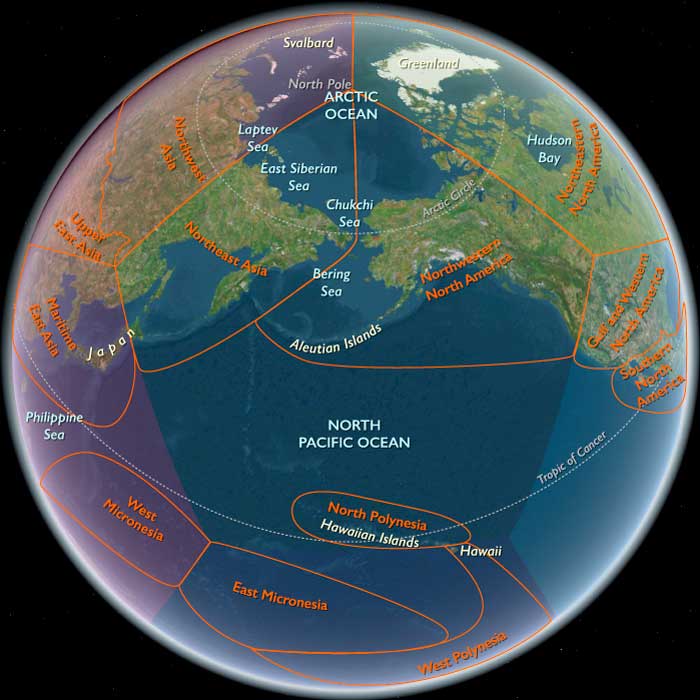
Northeast Asia includes eastern Siberia east of the Lena River to the Pacific, the Russian Far East (excluding the southern Primorsky/Vladivostok corner), northern Hokkaidō (above its southwestern peninsula), and extreme northeastern Heilongjiang.
Anchors
- Lower Amur polities
- proto-Mohe and Sushen societies
- Ussuri settlements
- Sakhalin ferry routes
- northern Hokkaidō Epi-Jōmon communities
Climate & Environmental Conditions
Riverine and coastal productivity remained exceptionally high. Stable fisheries and reliable travel corridors encouraged greater political integration.
Subsistence & Settlement
Large storage-oriented communities developed around major fisheries.
Economies combined:
- salmon harvests
- fur procurement
- horse exchange
- hunting
- coastal resources
Some settlements became permanent regional centers.
Technology & Material Culture
Iron became increasingly common in:
- knives
- awls
- woodworking tools
- spearheads
Storage systems expanded significantly.
Movement & Interaction Corridors
The Amur–Sungari network connected Northeast Asia with Korea, Manchuria, and interior Eurasia.
Cultural & Symbolic Expressions
Lineage identity became increasingly visible through burial traditions and ceremonial objects.
Environmental Adaptation & Resilience
Integrated riverine economies produced significant surpluses and supported growing political hierarchies.
Legacy & Transition
By 243 CE, Northeast Asia possessed emerging river kingdoms linked to wider Northeast Asian exchange networks.

-
{# Image navigates to the detail page; the magnifying-glass chip is the only Fancybox lightbox trigger (kept a separate sibling — anchors can't nest). #}
 Northern Oceania
World
-
{# Image navigates to the detail page; the magnifying-glass chip is the only Fancybox lightbox trigger (kept a separate sibling — anchors can't nest). #}
 Northeastern Eurasia
Region
-
{# Image navigates to the detail page; the magnifying-glass chip is the only Fancybox lightbox trigger (kept a separate sibling — anchors can't nest). #}
 Northeast Asia
Subregion