
Northeast Europe (1684–1695 CE): Administrative Centralization, Regional …
Years: 1684 - 1695
Northeast Europe (1684–1695 CE): Administrative Centralization, Regional Rivalries, and Cultural Flourishing
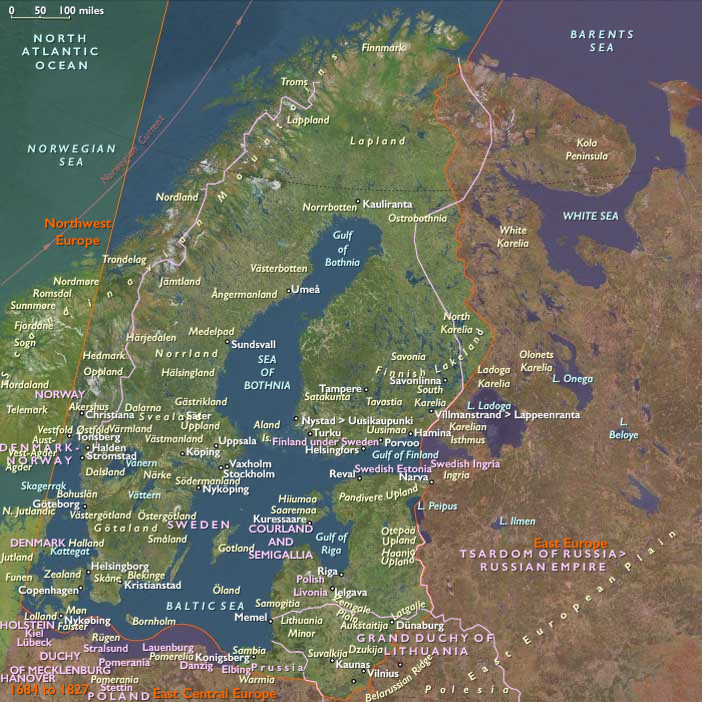
Between 1684 and 1695 CE, Northeast Europe experienced significant shifts marked by administrative centralization, renewed geopolitical tensions, and cultural vibrancy. This period saw Sweden deepen its absolutist governance under Charles XI, escalating rivalry with Denmark–Norway, internal challenges for the Polish–Lithuanian Commonwealth, cautious territorial ambitions by Muscovy, and continued intellectual and economic advancements across the region.
Swedish Absolutism and Centralization Efforts
Under King Charles XI (r. 1672–1697), Sweden aggressively pursued administrative centralization and economic reform, notably through the Reduction policies, which reclaimed substantial noble-held estates for the crown. These measures strengthened royal authority, improved fiscal stability, and allowed significant investment in military modernization. Estonia, Livonia, and the newly integrated provinces such as Scania experienced enhanced governance and infrastructure developments, particularly benefiting strategic urban centers like Reval (Tallinn) and Riga.
Heightened Rivalry Between Denmark–Norway and Sweden
King Christian V of Denmark–Norway intensified efforts to counterbalance Swedish dominance. His administration invested heavily in naval expansion, improved coastal defenses, and actively sought diplomatic alliances to regain influence over previously lost Baltic territories. These actions significantly increased tensions with Sweden, contributing to an atmosphere of ongoing geopolitical rivalry throughout the period.
Internal Challenges in the Polish–Lithuanian Commonwealth
The Polish–Lithuanian Commonwealth, under King John III Sobieski (r. 1674–1696), continued struggling with internal political instability exacerbated by a powerful yet fragmented nobility. Sobieski’s effective military and diplomatic leadership provided temporary stabilization, notably through defensive efforts along eastern and southern borders, yet internal discord increasingly undermined central governance.
Muscovy’s Gradual Territorial and Diplomatic Expansion
In Muscovy, joint rulers Ivan V and Peter I (from 1682) pursued careful territorial and diplomatic expansion policies. Cautiously avoiding outright conflict, they strengthened defenses and sought strategic diplomatic engagements along the contested Baltic frontier. This incremental territorial consolidation laid foundations for Muscovy’s future transformation into the Russian Empire.
Economic Stability and Military Consolidation in Prussia
The Duchy of Prussia, under Frederick William I (the Great Elector, r. 1640–1688), and subsequently his successor Frederick II, solidified its economic prosperity and military strength. Prussia maintained diplomatic neutrality while enhancing economic and administrative reforms, particularly strengthening urban economies such as Königsberg. These policies significantly reinforced Prussia’s regional stability and influence.
Economic Resilience and Urban Prosperity
Urban centers, notably Reval (Tallinn), Riga, Königsberg, and Visby, continued experiencing significant economic growth. Sustained maritime commerce, strengthened trade networks, and stable urban governance facilitated broad regional economic resilience, providing essential stability amid regional tensions.
Cultural Flourishing and Intellectual Advancements
Cultural and educational institutions thrived, particularly Protestant and Lutheran universities and academies. These institutions enhanced literacy rates, promoted scholarly inquiry, and fostered cultural activities, significantly contributing to Northeast Europe's intellectual and cultural reputation. Continued scholarly exchange and scientific research built upon legacies of notable regional figures such as astronomer Tycho Brahe, reinforcing the region's intellectual prominence.
Diplomatic Maneuvering and Alliance Management
Regional diplomatic interactions remained complex, characterized by cautious maneuvering among Sweden, Denmark–Norway, Poland–Lithuania, Muscovy, and Prussia. Strategic diplomatic negotiations, alliance formations, and careful management of territorial disputes dominated geopolitical dynamics, reflecting the ongoing tensions and shifting alliances of the era.
Legacy of the Era
The era from 1684 to 1695 CE shaped Northeast Europe's geopolitical landscape through intensified administrative centralization, regional rivalries, and significant cultural and economic achievements. These developments had lasting effects on regional boundaries, diplomatic relationships, and cultural identities, profoundly influencing Northeast Europe’s subsequent historical trajectory into the eighteenth century.
People
- Charles XI of Sweden
- Christian V
- Frederick William I of Prussia
- Ivan V
- John III Sobieski
- Peter the Great
Groups
- Polytheism (“paganism”)
- Latvians, or Letts (Eastern Balts)
- Estonians
- Christians, Roman Catholic
- Finland under Swedish rule
- Crown of the Kingdom of Poland
- Lutheranism
- Sweden, (second) Kingdom of
- Prussia, Duchy of
- Denmark-Norway, Kingdom of
- Forest Finns
- Russia, Tsardom of
- Courland and Semigallia, Duchy of
- Swedish Empire
- Estonia, Duchy of (Swedish Estonia)
- Polish-Lithuanian Commonwealth (Commonwealth of the Two Nations)
- Finland, (Swedish) Grand Duchy of
- Ingria, Swedish
- Livonia, Swedish
- Pomerania, Swedish
Subjects
Regions

Subregions
Related Events
Showing 10 events out of 30218 total
Years: 1684 - 1695
People
- Charles XI of Sweden
- Christian V
- Frederick William I of Prussia
- Ivan V
- John III Sobieski
- Peter the Great
Groups
- Polytheism (“paganism”)
- Latvians, or Letts (Eastern Balts)
- Estonians
- Christians, Roman Catholic
- Finland under Swedish rule
- Crown of the Kingdom of Poland
- Lutheranism
- Sweden, (second) Kingdom of
- Prussia, Duchy of
- Denmark-Norway, Kingdom of
- Forest Finns
- Russia, Tsardom of
- Courland and Semigallia, Duchy of
- Swedish Empire
- Estonia, Duchy of (Swedish Estonia)
- Polish-Lithuanian Commonwealth (Commonwealth of the Two Nations)
- Finland, (Swedish) Grand Duchy of
- Ingria, Swedish
- Livonia, Swedish
- Pomerania, Swedish
Subjects
Regions
Subregions