
Northeast Europe (1900–1911 CE): Russification, National Awakening,…
1900 CE to 1911 CE
Northeast Europe (1900–1911 CE): Russification, National Awakening, Industrial Growth, and Sociopolitical Transformation
Between 1900 and 1911 CE, Northeast Europe experienced intense cultural and political pressures due to Russian Russification policies, accelerating industrialization and urbanization, and escalating social and political mobilization. Finland, Estonia, Latvia, and Lithuania witnessed heightened national resistance to Russification, while labor movements and political parties expanded significantly. Denmark maintained its economic and democratic stability, Norway completed critical democratic reforms, and Sweden navigated complex socioeconomic transformations. Concurrently, German influence continued to shape regional economic and geopolitical dynamics.
Finland: Escalating Russification and National Resistance
In Finland, Russification policies intensified dramatically following the February Manifesto of 1899, which relegated Finland to the administrative status of a standard Russian province, significantly undermining its autonomy. Governor-General Nikolai Ivanovich Bobrikov rigorously enforced Russification measures, including imposing the Russian language in public administration and education, severely curtailing Finland’s previous freedoms.
Finnish resistance to these oppressive policies was swift and widespread. Cultural nationalism surged, bolstered by institutions and individuals who drew inspiration from earlier nationalist leaders such as the philosopher and politician Johan Vilhelm Snellman (1806–1881), whose legacy continued to inspire Finnish identity even after his death. The Finns engaged in widespread passive resistance through mass petitions, notably the Great Address, signed by over half a million Finns. Tsar Nicholas II, however, largely ignored these protests, intensifying national unrest and deepening the Finns' determination to defend their autonomy.
Economic Growth and Social Mobilization in Finland
Despite political tensions, Finland’s economy expanded significantly, driven by industrialization centered around lumber and related industries, including pulp, paper, and textiles. Agricultural productivity also improved, yet due to limited arable land, rural conditions remained challenging for many peasants. Urban centers, notably Helsinki, grew rapidly, absorbing substantial numbers of rural migrants.
Urban growth facilitated the rise of powerful labor movements. The Finnish Trade Union Federation (Suomen Ammattijärjestö—SAJ), established in 1907, became increasingly influential. Politically, the Finnish Social Democratic Party (Suomen Sosialidemokraattinen Puolue—SDP), formed in 1899 and growing significantly by 1907, emerged as Finland’s largest single political party. Initially popular among agrarian workers, the SDP's adoption of radical Marxist principles, including advocating land nationalization, eventually alienated many rural supporters.
Estonia and Latvia: Industrialization, Urbanization, and Cultural Resilience
In Estonia, rapid industrialization, especially in cities such as Narva and Reval (Tallinn), significantly reshaped social dynamics. Narva’s Krenholm Manufacturing Company employed thousands of workers, becoming one of Europe’s largest cotton mills. Industrial growth sparked labor unrest, leading to increased trade union activity and strikes. Russification remained intense, but Estonian national identity thrived through robust cultural and educational institutions that resisted Russian assimilation efforts.
Latvia experienced similar developments. Riga evolved into a vibrant urban-industrial center, reinforcing Latvian cultural resilience and national identity despite Russification and Germanization pressures. The emergence of trade unions and national political organizations underscored Latvia’s increasingly assertive national consciousness.
Lithuania: Continued Resistance and National Awakening
Lithuania sustained vigorous cultural resistance against Russian suppression of Lithuanian language and culture. Underground education networks, clandestine literature, and active resistance by intellectuals and clergy preserved Lithuanian national identity, fostering an enduring national consciousness that would drive subsequent political autonomy aspirations.
Sweden: Persistent Socioeconomic Challenges and Democratization
Sweden faced ongoing socioeconomic challenges, with continued significant emigration, particularly to North America. However, by the early twentieth century, Sweden began transitioning more decisively toward industrialization and modernization, stimulated by railway expansion, emerging manufacturing industries, and infrastructure improvements. Political democratization also advanced incrementally, laying the foundation for later comprehensive democratic reforms.
Denmark: Stable Economic Progress and Democratic Consolidation
Denmark maintained steady economic progress driven by a modernized agricultural sector, notably in dairy and meat exports, alongside ongoing industrial expansion. The Danish political system, characterized by democratic stability and robust institutions, reinforced social cohesion and provided a model of effective governance in Northeast Europe.
Norway: Full Democratic Reforms and Cultural Contributions
Norway completed significant democratic milestones, granting universal male suffrage in 1898 and culminating in universal suffrage for women by 1913. Culturally, figures such as painter Edvard Munch continued influencing European art, notably anticipating German Expressionism. Norway’s stable democratic evolution and vibrant cultural scene enhanced its national identity and regional influence.
Rising Labor Movements and Socialism
Across Northeast Europe, industrialization and urbanization spurred strong labor movements. In Finland, Estonia, Latvia, and Sweden, workers organized into trade unions, significantly influencing local politics. Marxist ideologies particularly permeated Finnish and Latvian labor organizations, creating tensions with traditional agrarian communities and middle-class interests, laying foundations for future sociopolitical divisions.
German Economic and Geopolitical Influence
Germany’s economic power and geopolitical influence continued to significantly impact Northeast Europe. Germany emerged as a dominant trading partner, notably with Finland, Denmark, and the Baltic states. Königsberg (Kaliningrad) remained a vital economic hub, further strengthening Germany’s regional economic and diplomatic presence.
Urbanization and Economic Integration
Urbanization accelerated dramatically, notably in Helsinki, Stockholm, Copenhagen, Riga, Narva, and Reval (Tallinn). This growth enhanced regional economic integration, connecting urban centers through railways, maritime trade routes, and improved infrastructure. Economic connectivity fostered greater regional interdependence, promoting stability and supporting national identities and cultural vibrancy.
Cultural and Intellectual Flourishing
Northeast Europe’s cultural and intellectual life thrived. Finland’s publication of the Kalevala and works by poets such as Johan Ludvig Runeberg deeply influenced national consciousness. Lithuanian clandestine education and literature preserved cultural identity. Latvia and Estonia reinforced national cultures through literature, music, and educational initiatives. Denmark and Norway contributed significantly to European intellectual and cultural traditions, notably through figures such as Edvard Munch.
Legacy of the Era
The period from 1900 to 1911 CE marked transformative changes in Northeast Europe. Intensified Russification in Finland, Estonia, Latvia, and Lithuania provoked robust national resistance and significantly shaped political identities. Economic growth and urbanization reshaped societies, fostering powerful labor movements and political mobilization. Democratic reforms in Norway, stable governance in Denmark, and Sweden’s evolving modernization further diversified regional development. Germany’s economic dominance strongly influenced trade patterns and diplomatic relations.
Collectively, these developments profoundly shaped Northeast Europe's trajectory, laying critical foundations for future independence movements, sociopolitical transformations, and defining its historical path into the twentieth century.
People
Groups
Subjects
Regions
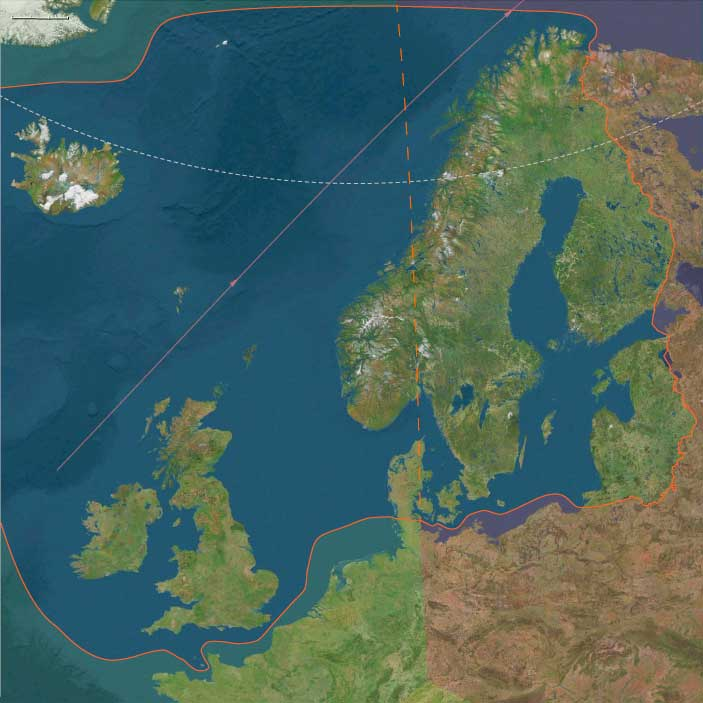
North Europe
View →Subregions
