
Northeastern North America (964 – 1107 CE): …
Years: 964 - 1107
Northeastern North America (964 – 1107 CE): Norse Vinland, Cahokia’s Rise, and Algonquian Networks
Geographic and Environmental Context
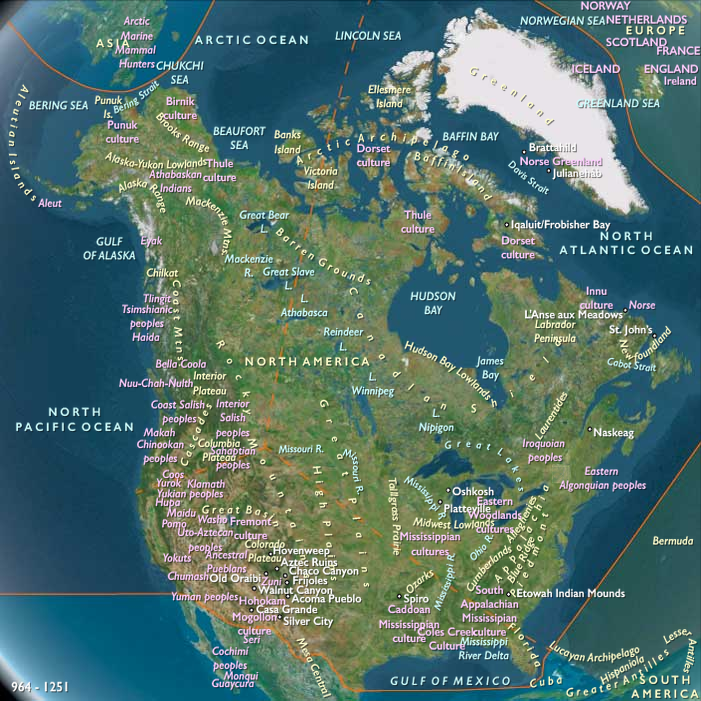
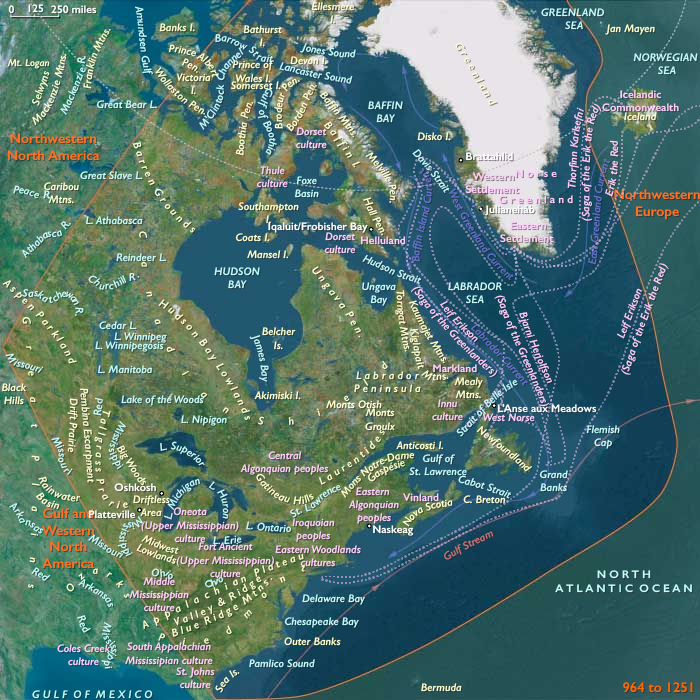
Northeastern North America includes: the Atlantic coast from Jacksonville, Florida to St. John’s, Newfoundland; Greenland; the Canadian Arctic; all Canadian provinces east to the Saskatchewan–Alberta border; and within the U.S., the Old South (Virginia, Carolinas, most of Georgia, northeast Alabama, Tennessee except its southwest), the Appalachian Plateau, the Midwest Lowlands, the Driftless Area, the Tallgrass Prairie, the Big Woods, the Drift Prairie, and the Aspen Parkland.
-
Anchors: the Greenland colonies, Vinland outposts (Newfoundland), St. Lawrence–Great Lakes corridor, Old South mound centers, the Appalachians, the Tallgrass Prairie, and the Canadian Arctic coast.
Climate and Environmental Shifts
-
Warm conditions favored maize intensification at Cahokia (St. Louis region) and along the Ohio–Mississippi valleys.
-
Navigable seas enabled Norse voyages across Davis Strait to Vinland.
Societies and Political Developments
-
Norse Greenland: farms, churches, and walrus-hunting economies stabilized.
-
Vinland (Newfoundland): Norse attempted small colonies; conflict with indigenous Skrælings (Beothuk ancestors).
-
Mississippian cultures: Cahokia emerged (~1050) as a mound-metropolis with stratified elites.
-
Old South/Appalachians: platform mounds and chiefdoms developed.
-
Iroquoian and Algonquian villages grew denser in Great Lakes and St. Lawrence regions.
-
Prairies: transitional societies blended farming and bison hunting.
-
Arctic: Thule Inuit began migrating eastward, displacing Dorset cultures.
Economy and Trade
-
Cahokia redistributed maize, copper, shells, and chert.
-
Greenland Norse exported walrus ivory to Europe.
-
Atlantic and Great Lakes fisheries sustained coastal peoples.
-
Prairie societies exchanged hides and crops with Woodland neighbors.
Belief and Symbolism
-
Cahokia’s woodhenges and mounds structured ritual calendars.
-
Longhouse rituals in Iroquoian areas tied kin and cosmos.
-
Norse Greenlanders built early churches (Brattahlid).
Long-Term Significance
By 1107, Northeastern North America was marked by Cahokia’s urban ascendance, Greenland’s Norse colonies, and Vinland’s brief contact, while Algonquian and Iroquoian networks deepened across woodlands and rivers.
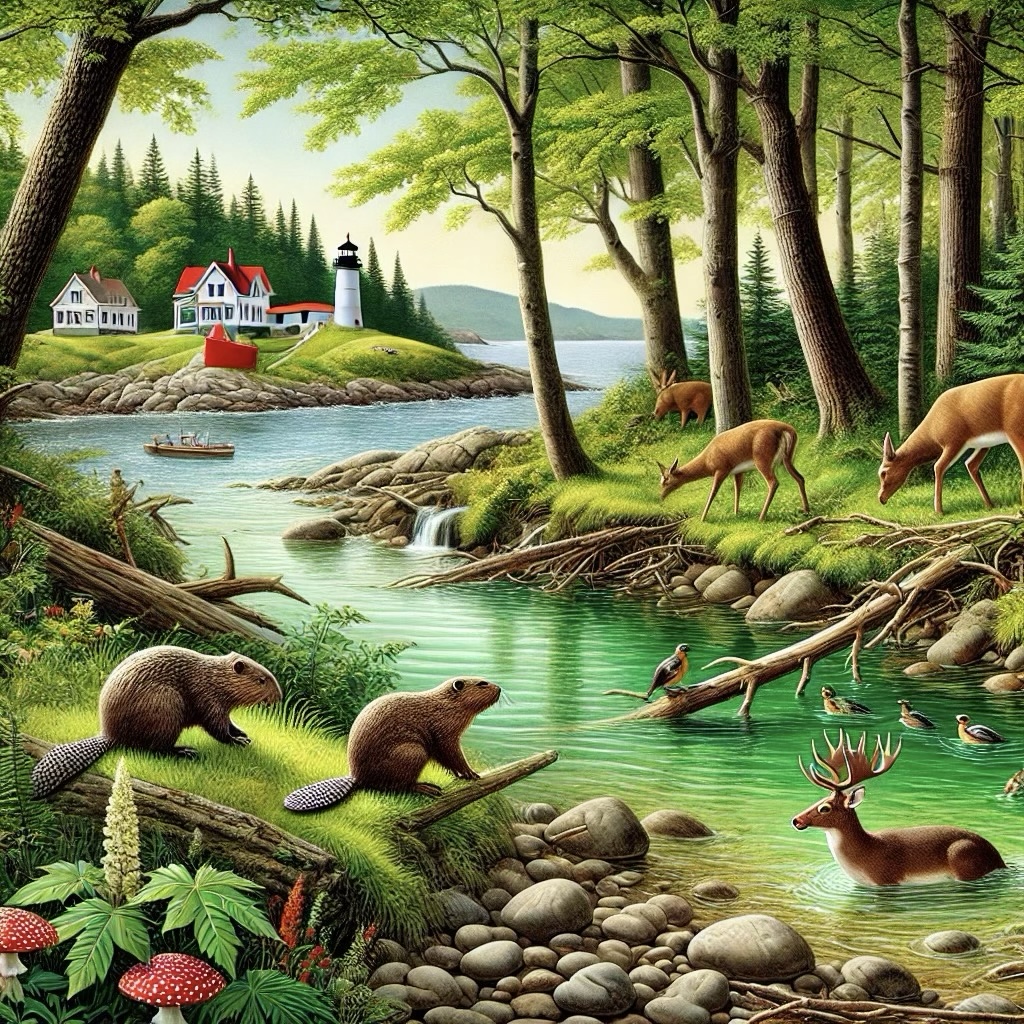
Northeastern North America (with civilization) ©2024-25 Electric Prism, Inc. All rights reserved.
People
Groups
- Mound Builders
- Woodland culture
- Christianity, Chalcedonian
- Dorset culture
- Norse
- Caddoan Mississippian culture
- Mississippian culture
- Iroquois (Haudenosaunee, also known as the League of Peace and Power, Five Nations, or Six Nations)
- Abenaki people (Amerind tribe)
- Maliseet, or Wolastoqiyik, people (Amerind tribe)
- Beothuk people
- Greenland, Norwegian Crown Colony of
- Mi'kmaq people (Amerind tribe)
- Ho-Chunk (Amerind tribe)
- Thule people
- Cahokia Mounds
- Christians, Roman Catholic
- Thule Tradition, Classic Thule
Topics
- Medieval Warm Period (MWP) or Medieval Climate Optimum
- Colonization of the Americas, Norse
- East–West Schism
Commodoties
- Fish and game
- Weapons
- Hides and feathers
- Gem materials
- Colorants
- Domestic animals
- Grains and produce
- Ceramics
- Strategic metals
- Lumber
Subjects
- Commerce
- Architecture
- Watercraft
- Decorative arts
- Exploration
- Faith
- Government
- Custom and Law
- Technology
- Human Migration
Regions
Subregions
Years: 964 - 1107
Northeastern North America (with civilization) ©2024-25 Electric Prism, Inc. All rights reserved.
People
Groups
- Mound Builders
- Woodland culture
- Christianity, Chalcedonian
- Dorset culture
- Norse
- Caddoan Mississippian culture
- Mississippian culture
- Iroquois (Haudenosaunee, also known as the League of Peace and Power, Five Nations, or Six Nations)
- Abenaki people (Amerind tribe)
- Maliseet, or Wolastoqiyik, people (Amerind tribe)
- Beothuk people
- Greenland, Norwegian Crown Colony of
- Mi'kmaq people (Amerind tribe)
- Ho-Chunk (Amerind tribe)
- Thule people
- Cahokia Mounds
- Christians, Roman Catholic
- Thule Tradition, Classic Thule
Topics
- Medieval Warm Period (MWP) or Medieval Climate Optimum
- Colonization of the Americas, Norse
- East–West Schism
Commodoties
- Fish and game
- Weapons
- Hides and feathers
- Gem materials
- Colorants
- Domestic animals
- Grains and produce
- Ceramics
- Strategic metals
- Lumber
Subjects
- Commerce
- Architecture
- Watercraft
- Decorative arts
- Exploration
- Faith
- Government
- Custom and Law
- Technology
- Human Migration
Regions
Subregions