The Rise of Orchestral Concerts in European…
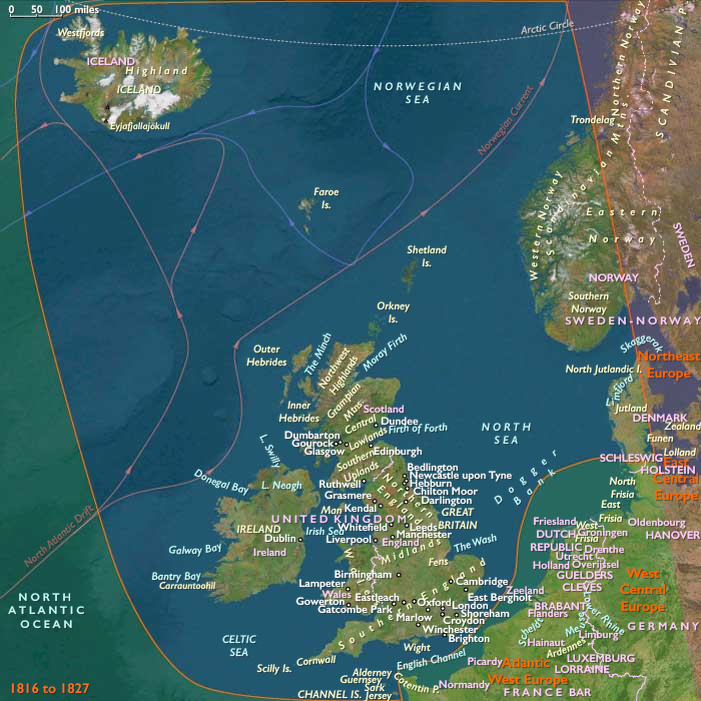
1816 CE to 1827 CE
The Rise of Orchestral Concerts in European Capitals (Early 19th Century)
During the early 19th century, orchestral concerts became increasingly popular in European capitals, reflecting the expansion of public musical culture and advances in instrumentation. As orchestras grew in size and complexity, the role of the conductor became essential, shaping the modern orchestral tradition.
Factors Leading to the Popularity of Orchestral Concerts
-
Expansion of Public Concerts
- While orchestral music had traditionally been performed in aristocratic courts, the rise of concert halls made symphonic music accessible to the public.
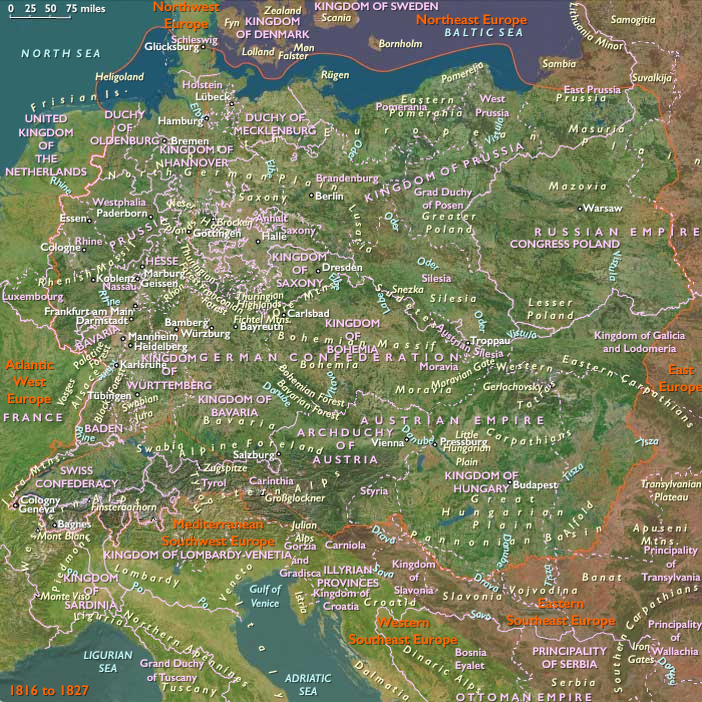
- Cities like Vienna, Paris, London, and Berlin became major centers for orchestral performance.
-
Technological Advances in Instruments
- Improvements in woodwinds, brass, and string instruments allowed for greater range, dynamic contrast, and expressiveness.
- The addition of new instruments, such as valved trumpets and horns, expanded orchestral sound palettes.
-
The Growing Role of the Conductor
- As orchestras expanded, the need for a central figure to coordinate tempo, dynamics, and interpretation became evident.
- The conductor, previously a harpsichordist or first violinist leading from within the ensemble, evolved into a separate, authoritative figure using a baton.
- Prominent early conductors included Felix Mendelssohn, Hector Berlioz, and Carl Maria von Weber, who helped define the modern conductor’s role.
-
The Rise of the Symphony and Program Music
- Composers like Beethoven, Schubert, and Berlioz wrote larger and more expressive symphonic works, designed for concert audiences rather than court entertainment.
- The rise of programmatic music (music that tells a story or evokes imagery) made orchestral concerts more engaging for audiences.
Impact on European Cultural Life
-
Orchestral concerts became a hallmark of cultural sophistication, leading to the construction of grand concert halls like:
- The Gewandhaus in Leipzig (1781, expanded in the 19th century).
- The Paris Conservatoire Concerts (founded in 1828).
- The Royal Philharmonic Society in London (1813).
-
The rise of orchestral concerts contributed to the formation of permanent symphony orchestras, such as:
- The Vienna Philharmonic (1842).
- The New York Philharmonic (1842).
Conclusion – The Birth of the Modern Orchestral Tradition
By the early 19th century, orchestral concerts had become a fixture of European cultural life, transitioning from private aristocratic events to public performances in grand concert halls. With the growing complexity of compositions and ensembles, the role of the conductor emerged as indispensable, shaping the orchestral music tradition that continues to thrive today.
Topics
Subjects
Regions

Subregions

East Europe
View →
Northeast Europe
View →
East Central Europe
View →
Eastern Southeast Europe
View →
South Central Europe
View →
Mediterranean West Europe
View →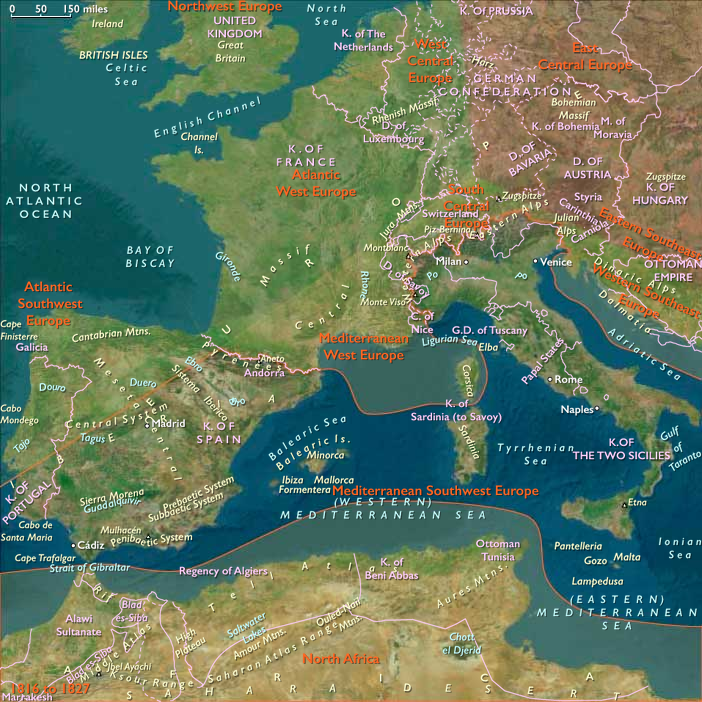
Mediterranean Southwest Europe
View →
Atlantic Southwest Europe
View →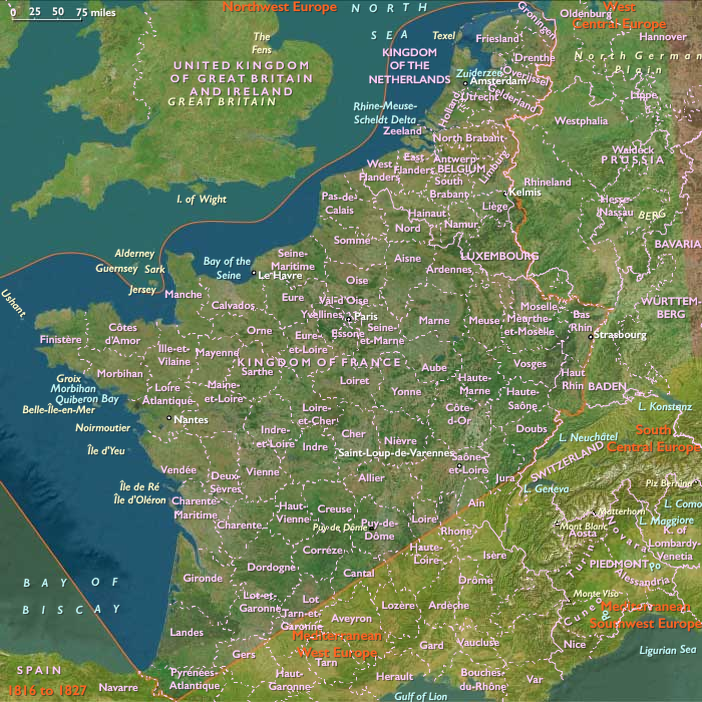
Atlantic West Europe
View →
West Central Europe
View →