Persecution and Migration: The Jewish Communities During…
1348 CE to 1359 CE
Persecution and Migration: The Jewish Communities During the Black Death
As the Black Death (1347–1351) spread across Europe, fear and desperation fueled violent scapegoating, with many Christian communities blaming Jewish populations for the catastrophe. One of the most widespread accusations was that Jews had poisoned the wells, allegedly causing the plague.
Anti-Jewish Violence and Expulsions
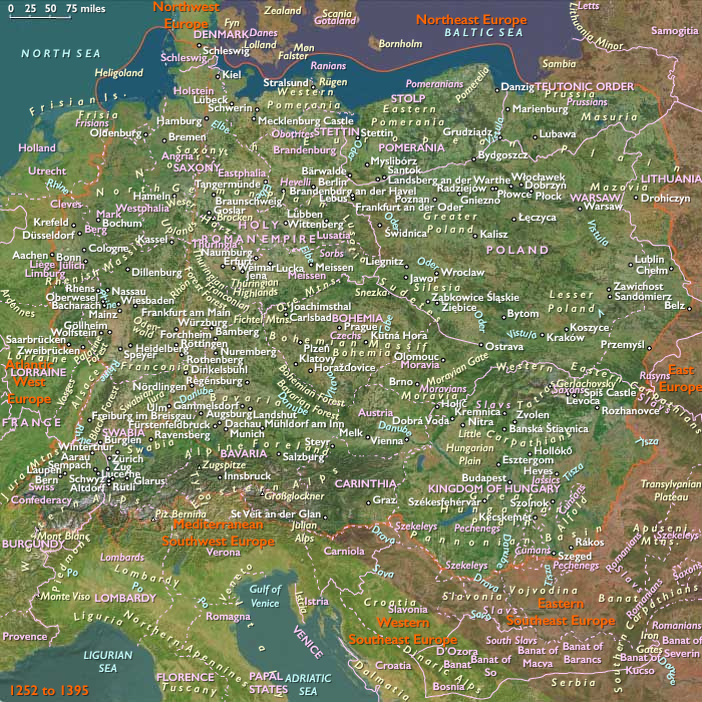
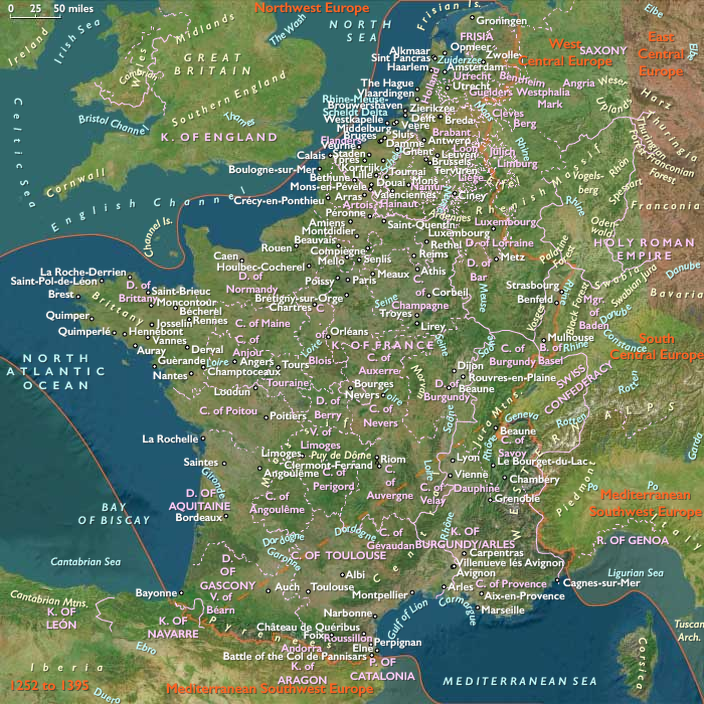
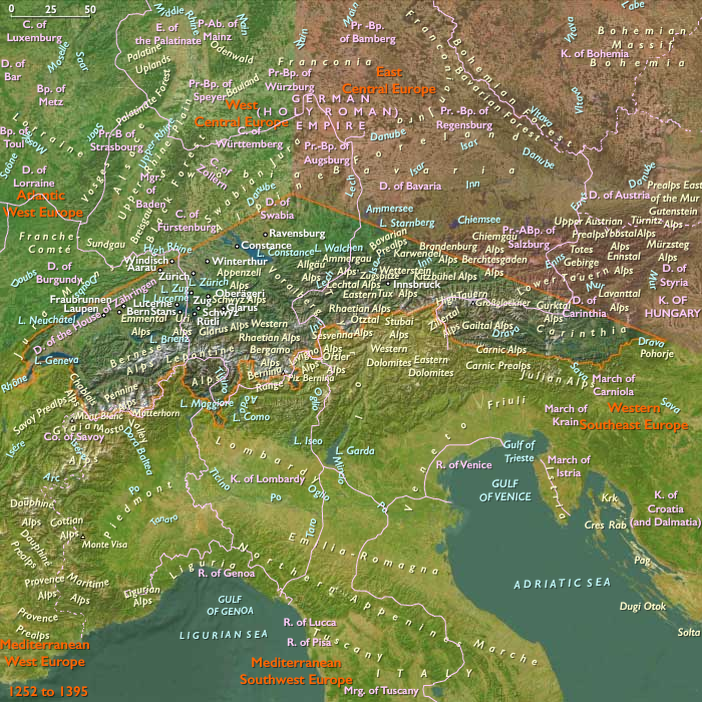
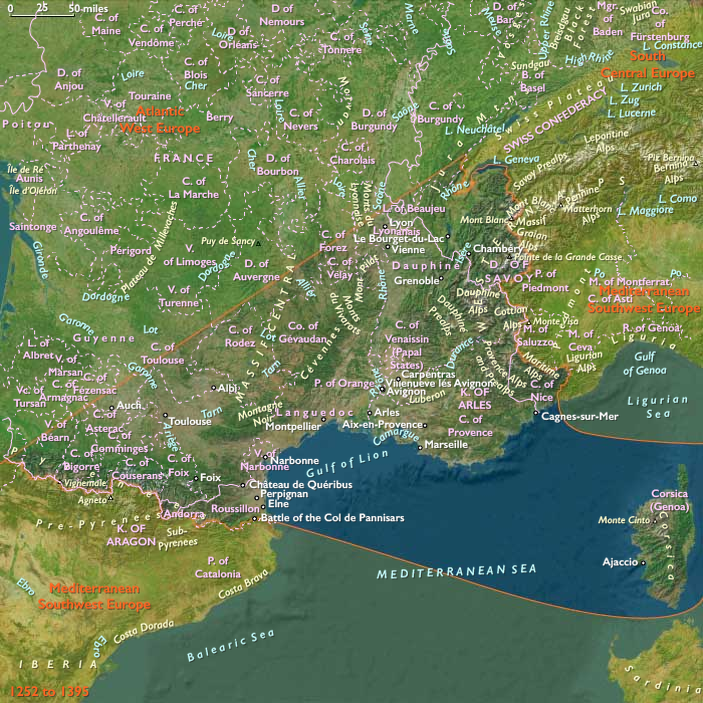
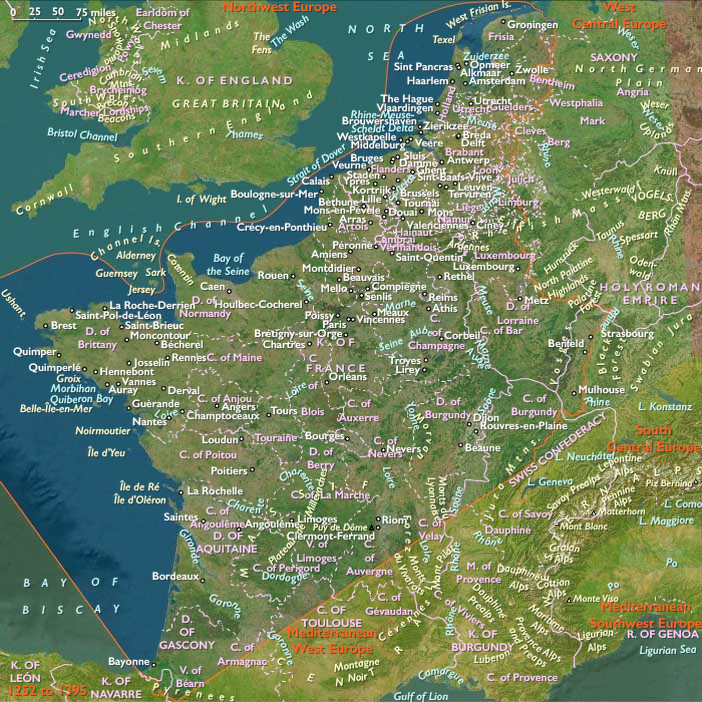
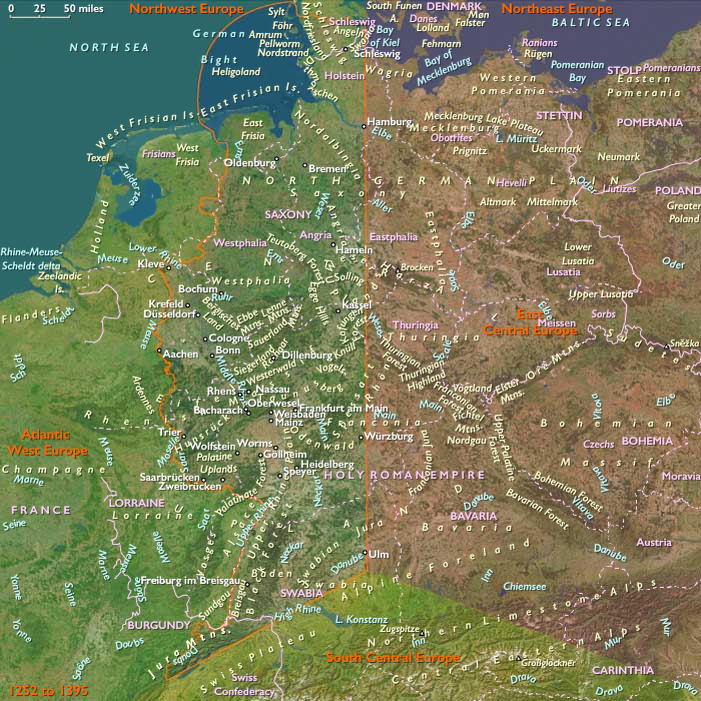
- Anti-Semitic pogroms erupted across Germany, France, and the Low Countries, with major massacres occurring in cities such as Strasbourg, Basel, and Cologne in 1348–1349.
- In Strasbourg, before the plague had even reached the city, an estimated 2,000 Jews were burned alive on Valentine’s Day, 1349.
- Many Jewish communities were forcibly converted, expelled, or massacred, leading to waves of migration eastward.
Migration to Eastern Europe
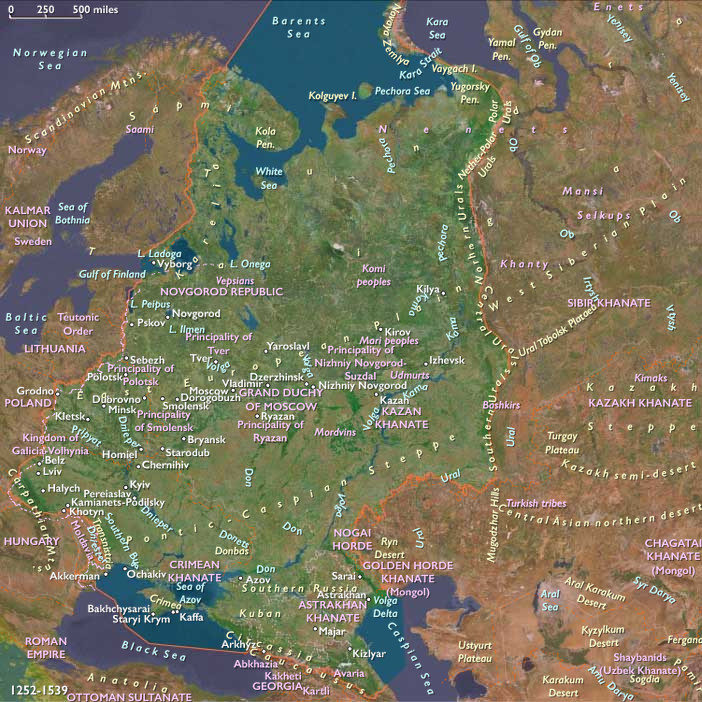
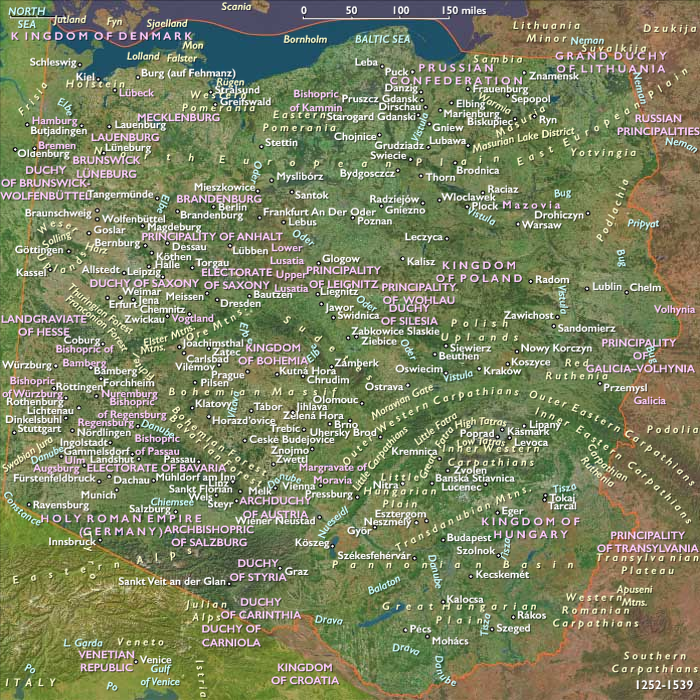
Facing persecution in the West, many Jewish families fled to Poland, Lithuania, and other parts of Eastern Europe, where rulers, such as Casimir III of Poland, extended protection and economic incentives for settlement. Unlike Western and Central Europe, much of Eastern Europe had been less severely affected by the Black Death, making it an attractive refuge.
This migration contributed to the rise of large and influential Jewish communities in Poland and the Polish-Lithuanian Commonwealth, where Jews would play a critical role in commerce, finance, and cultural life for centuries to come.
Long-Term Consequences
The Black Death pogroms reinforced deep-rooted anti-Semitic narratives in Western Europe, while simultaneously shaping the demographic shift of Jewish populations toward Eastern Europe, where Ashkenazi Jewish culture would flourish in the following centuries.