Event
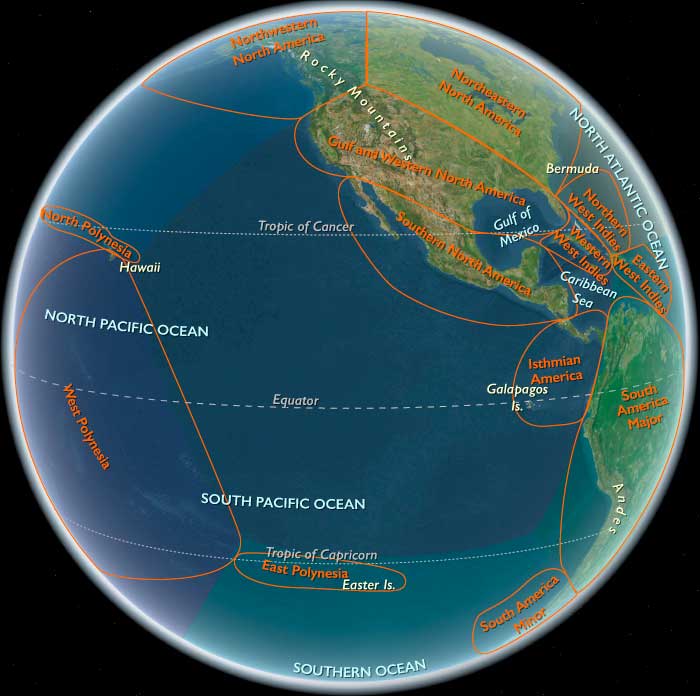
Southern North America is the scene of…
Southern North America is the scene of highly developed civilizations between 200 BCE and CE 900.
Archaeologists have designated this Classic Period as the Golden Age of Mexico.
This epoch is a time when the arts and sciences reach their apex, when a writing system develops, and when a sophisticated mathematical system permits the accurate recording of time.
Religion is polytheistic, revering the forces of nature in the gods of rain, water, the sun, and the moon.
The most important deity is Quetzalcoatl, the feathered serpent and the essence of life, from whom all knowledge derives.
Metals come into use only by the end of the period, but despite this handicap, impressive architectural structures in the pyramids at Teotihuacan near Mexico City, the Pyramid of the Niches at El Tajin in the state of Veracruz, and the Temple of the Sun at Palenque in present-day Chiapas are built and survive to this day.
These civilizations produce pottery, statuary, and ornate buildings, despite their being supported by a simple agricultural economy based on the cultivation of a few staples.
Social stratification produces a ruling class of priests and intellectuals who oversee the labor and social affairs of the peasant majority.
-
{# Image navigates to the detail page; the magnifying-glass chip is the only Fancybox lightbox trigger (kept a separate sibling — anchors can't nest). #}
 The Far West
World
-
{# Image navigates to the detail page; the magnifying-glass chip is the only Fancybox lightbox trigger (kept a separate sibling — anchors can't nest). #}
 Middle America
Region
-
{# Image navigates to the detail page; the magnifying-glass chip is the only Fancybox lightbox trigger (kept a separate sibling — anchors can't nest). #}
 Southern North America
Subregion