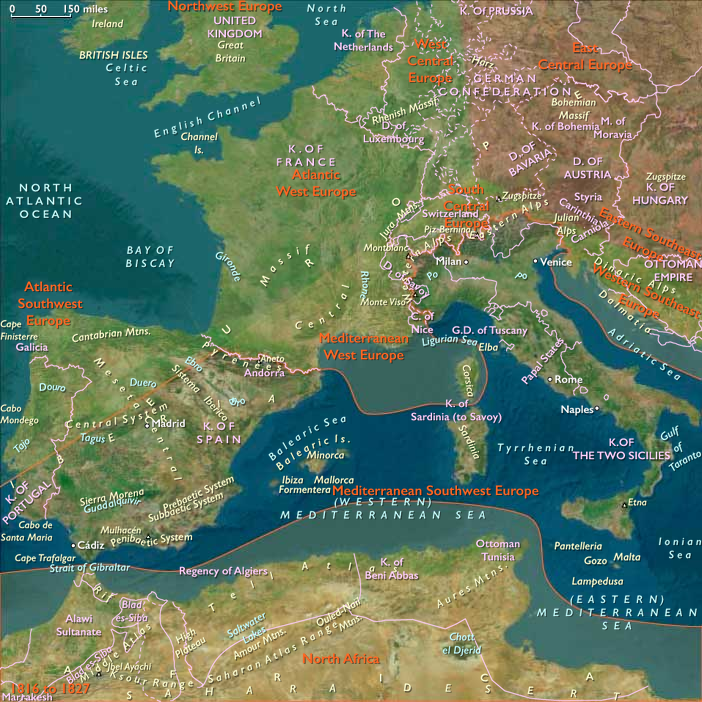
The Cortes of 1821 – Asserting Authority…
January 1821 CE
The Cortes of 1821 – Asserting Authority and Demanding João VI’s Return
On January 30, 1821, the Portuguese Cortes convened in Lisbon, marking a key moment in Portugal’s transition toward constitutional monarchy. The Cortes, dominated by liberal constitutionalists, quickly moved to assert its authority over the kingdom and demand the return of King João VI from Brazil.
Key Actions of the Cortes
-
Formation of a Council of Regency
- The Cortes decreed the establishment of a Council of Regency, which would exercise power in the king’s name until his return.
- This move effectively bypassed the existing royalist administration, placing control firmly in the hands of the constitutionalists.
-
Release of Political Prisoners
- Many political prisoners, who had been jailed under absolutist rule, were freed as part of the liberal reforms.
- This signaled the Cortes' commitment to civil liberties and political reform.
-
Demand for João VI’s Immediate Return
- The Cortes formally called for King João VI to return from Brazil, insisting that the monarch could no longer govern from Rio de Janeiro.
- This demand placed João in a difficult position, as his prolonged stay in Brazil had created tensions between the two parts of the empire.
Significance – A Turning Point for Portugal
- The Cortes’ actions made it clear that the old absolutist system was no longer viable.
- João VI was now under immense pressure—if he did not return, he risked losing control over Portugal altogether.
- The transition to constitutional monarchy was now inevitable, though it would soon lead to conflicts between liberals and absolutists.
João VI’s eventual return in 1821 would only further complicate the political crisis, as Portugal and Brazil moved along separate paths toward their respective futures.