Event
Economic expansion and a certain degree of…
Economic expansion and a certain degree of political relaxation in New Spain in the 1700s give rise to greater expectations of autonomy by the colonists, especially after the republican revolutions in the United States (1776), France (1789), and Haiti (1804).
Social stratification in New Spain, marked by discrepancies between the rich and the poor and between criollos and peninsulares, however, work to prevent the necessary social cohesion for a revolutionary undertaking, even though the tensions for a revolution continue to build.
Peninsulares from all walks of life believe themselves superior to their American-born counterparts.
In reaction to such discrimination, criollos show pride in things that pertain to Mexico.
Criollos consider themselves subjects of the Spanish crown, however, and also abide by the doctrines of the Roman Catholic Church.
More important, criollos do not want an egalitarian society—privileges are fine as long as they benefit from them.
-
{# Image navigates to the detail page; the magnifying-glass chip is the only Fancybox lightbox trigger (kept a separate sibling — anchors can't nest). #}
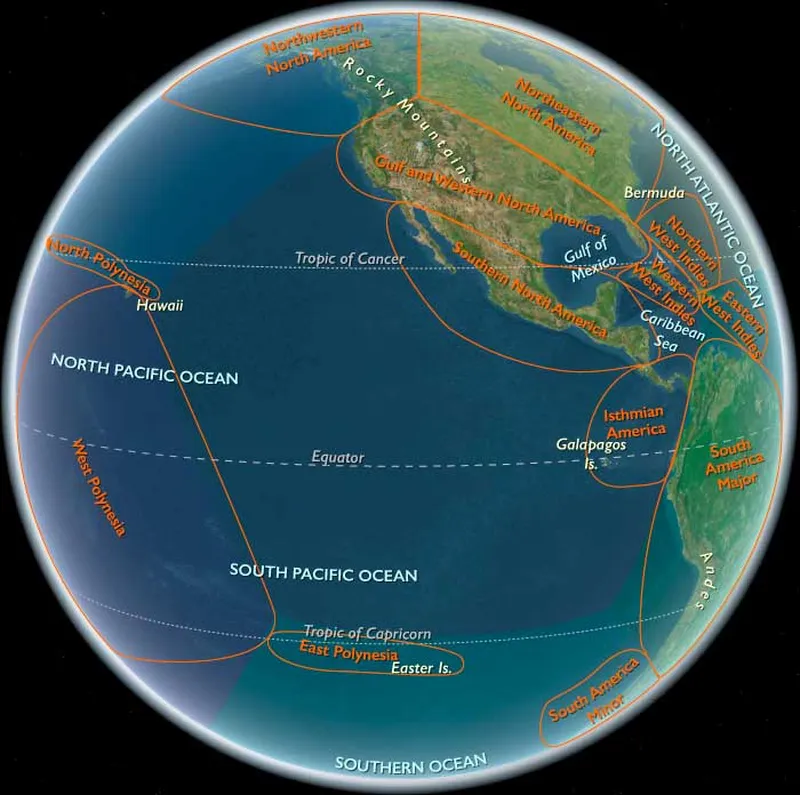 The Far West
World
-
{# Image navigates to the detail page; the magnifying-glass chip is the only Fancybox lightbox trigger (kept a separate sibling — anchors can't nest). #}
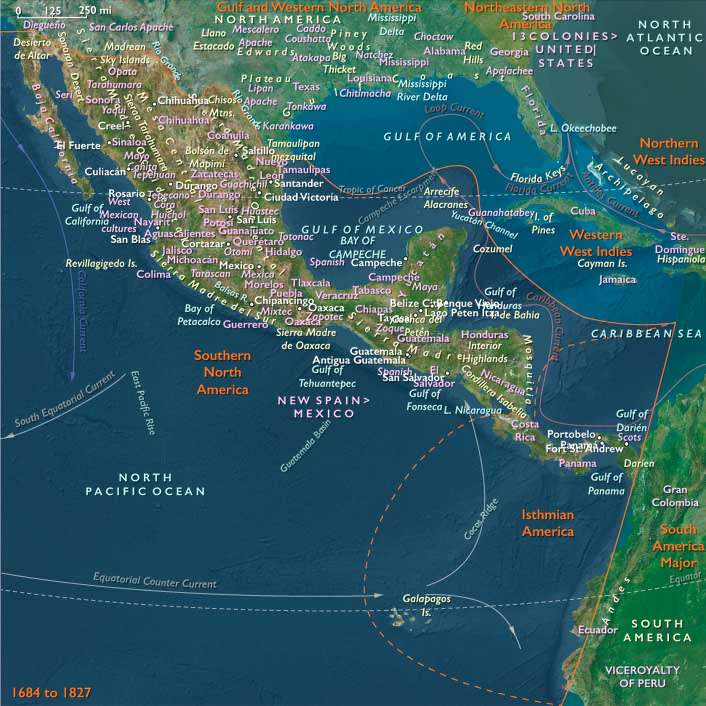 Middle America
Region
-
{# Image navigates to the detail page; the magnifying-glass chip is the only Fancybox lightbox trigger (kept a separate sibling — anchors can't nest). #}
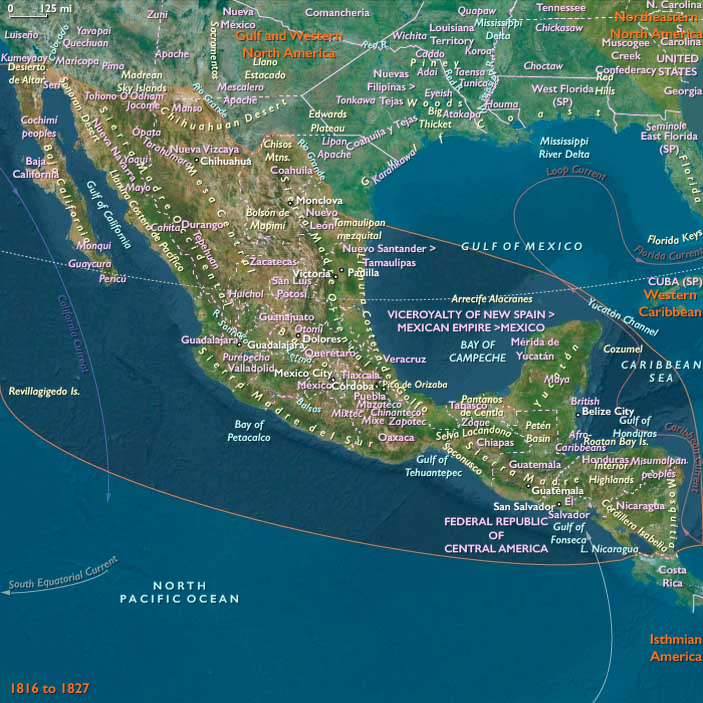 Southern North America
Subregion