Event
The Edict results in a great transfer…
The Edict results in a great transfer of power and property away from the Protestants to the Catholics, and in effect broadens a divisive religious struggle into that plus a dynastic struggle for power, as seen from the viewpoint of many smaller German princes, who might otherwise have stayed neutral.
Additionally, since the Edict discriminates against the free practice of the Protestant religion within the affected German states by authorizing attempts to forcibly convert Protestants back to Catholicism in direct contradiction to the Treaty of Augsburg, other states the mercenary armies marched through or ravage by foraging expeditions are greatly affected.
Thousands of Protestants flee to Protestant controlled states, generally broadening the war, and central Germany is ravaged repeatedly, by some estimates losing between twenty-five to fifty percent of its prewar population because the competing armies continually take the food—the majority of civilian deaths being caused by the twin side-effects of famine, and deaths from endemic diseases under famine weakened populations.
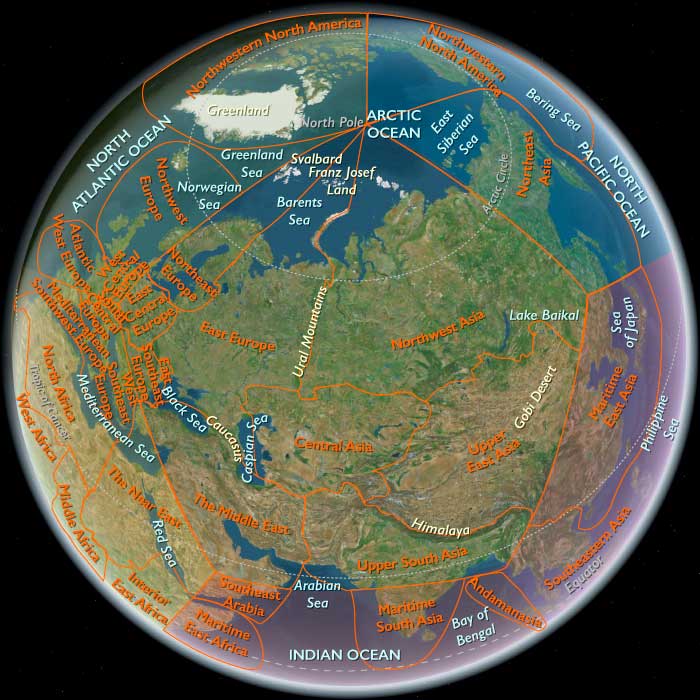
The greatest impact is in northeast Germany.
It is here that Ferdinand’s power is at its weakest.
Ferdinand has appointed Imperial administrators to take over the secularized states and cities, reestablishing Imperial authority in an area that had been free of Imperial rule for nearly a century.
Ferdinand's actions are not well received by the princes.
It is a move that alarms the French and led to the French intervention in the war.
The German princes can do nothing.
They have seen the Coalition destroyed.
Wallenstein has a massive army of one hundred and thirty-four thousand troops in the field to enforce Imperial authority.
Ironically, Wallenstein dislikes the Edict as it trespasses into the region he considers his own but he plays his part for the emperor to the full.
He states that "he would teach the Electors manners. They must be dependent on the emperor, not the emperor on them."
The response of the princes is to rally behind Maximillian of Bavaria to pressure Ferdinand into dismissing Wallenstein.
-
{# Image navigates to the detail page; the magnifying-glass chip is the only Fancybox lightbox trigger (kept a separate sibling — anchors can't nest). #}
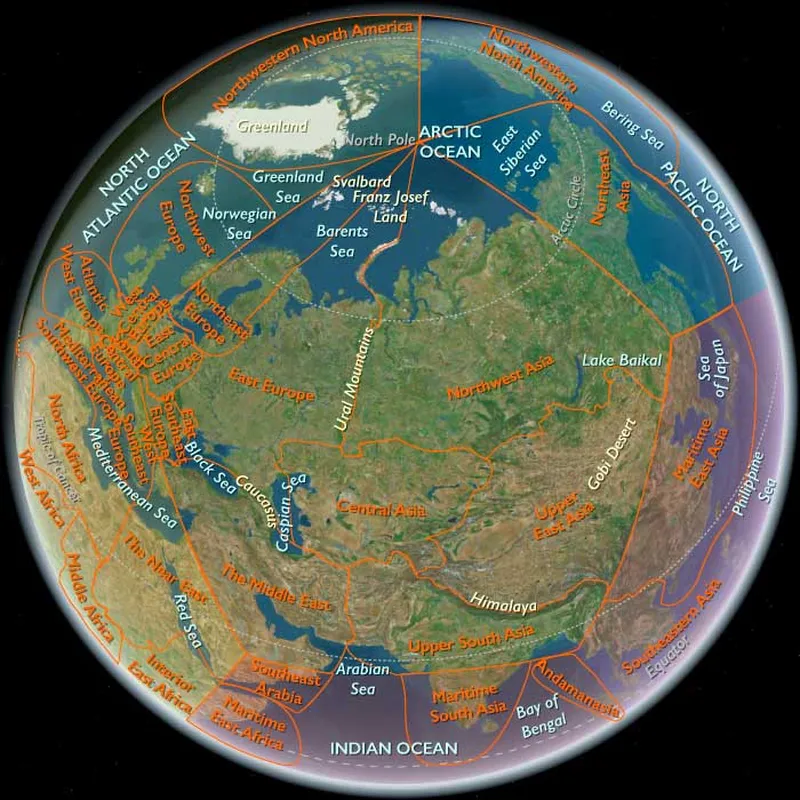 The Great Crossroads
World
-
{# Image navigates to the detail page; the magnifying-glass chip is the only Fancybox lightbox trigger (kept a separate sibling — anchors can't nest). #}
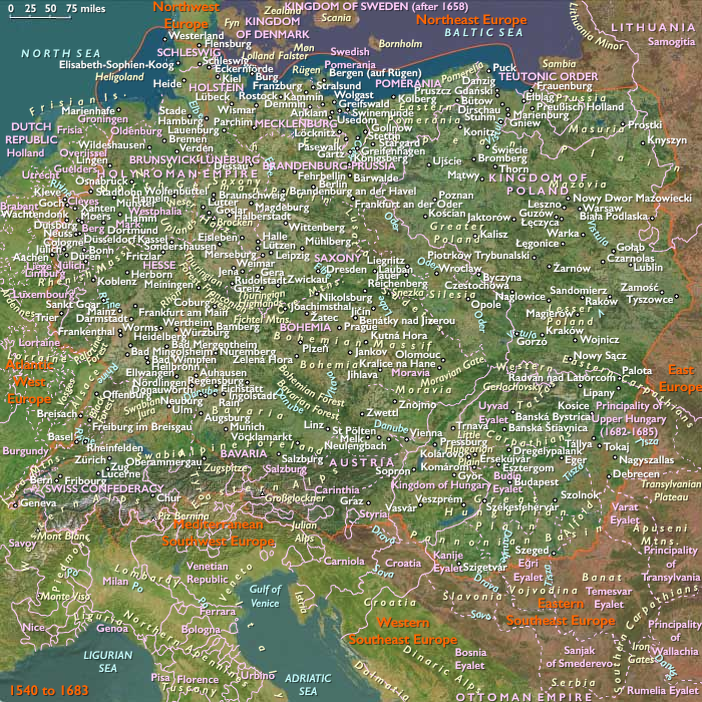 Central Europe
Region
-
{# Image navigates to the detail page; the magnifying-glass chip is the only Fancybox lightbox trigger (kept a separate sibling — anchors can't nest). #}
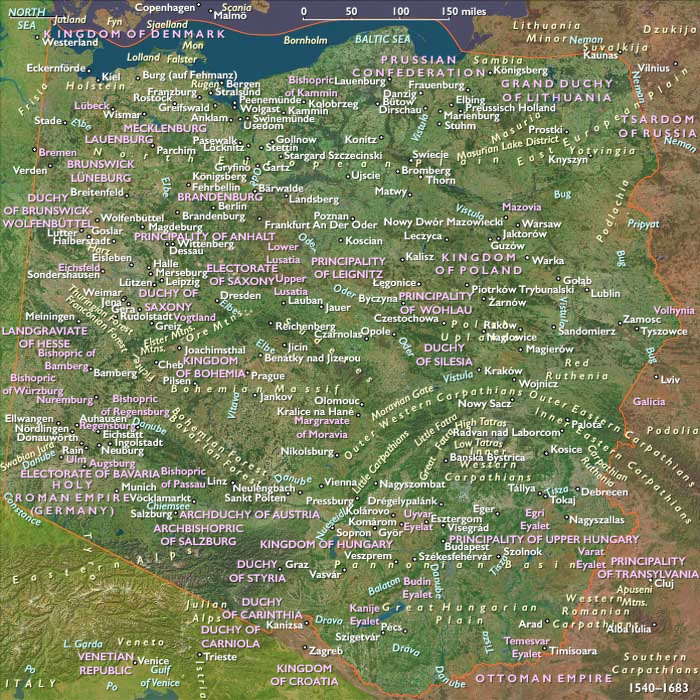 East Central Europe
Subregion