
Post-Ice Age Faunal Shifts and the Extinction …
Years: 11277BCE - 9550BCE
Post-Ice Age Faunal Shifts and the Extinction of Megafauna
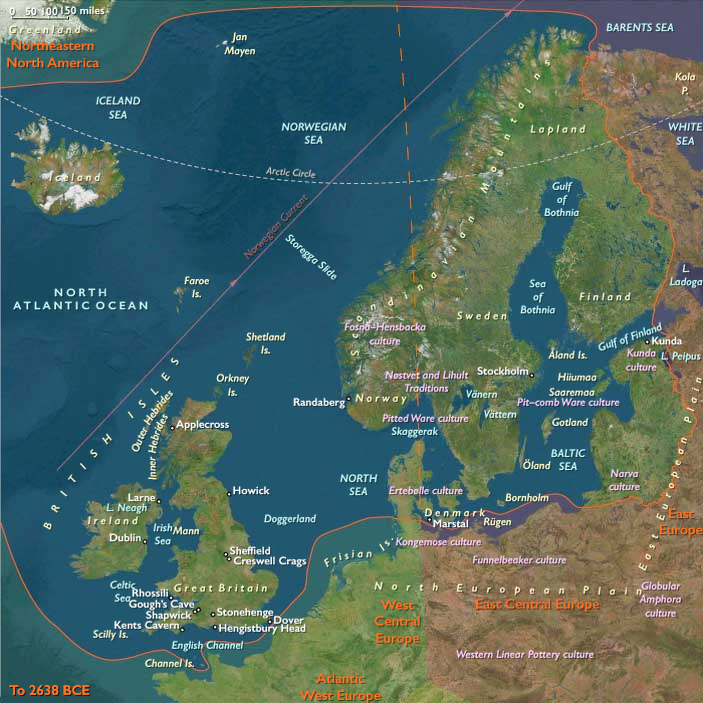
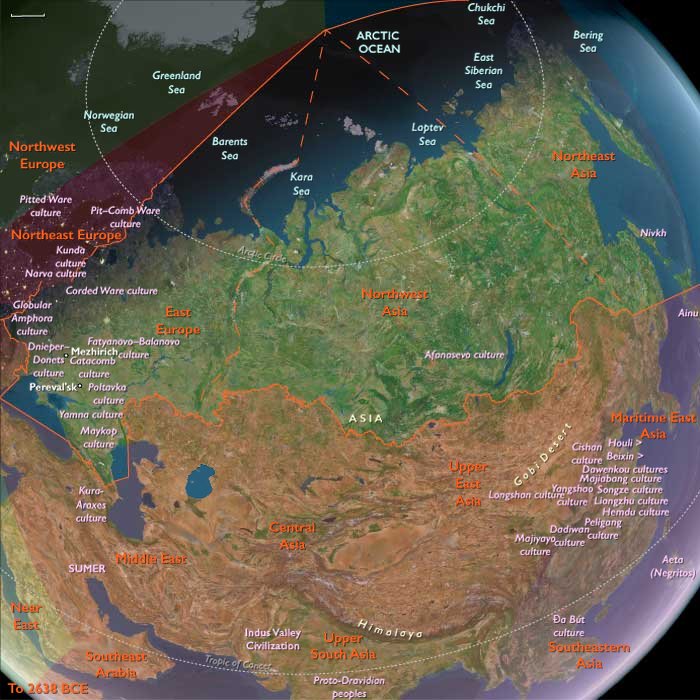
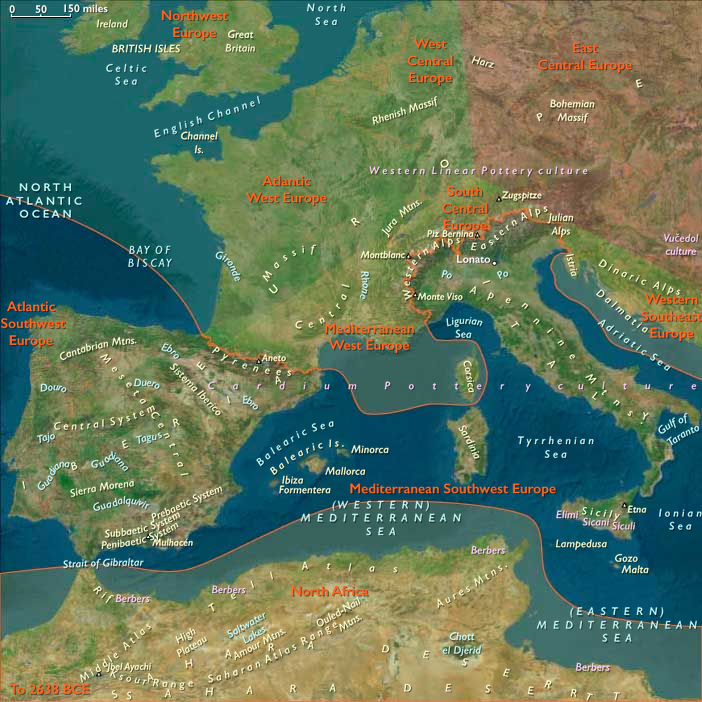
As the last Ice Age ended, climatic warming and ecological changes led to a gradual replacement of Ice Age megafauna by smaller, more adaptable species. This transition was marked by the northward migration of cold-blooded animals, smaller mammals, migratory birds, and fast-moving species such as the white-tailed deer.
Severe Extinctions in North America
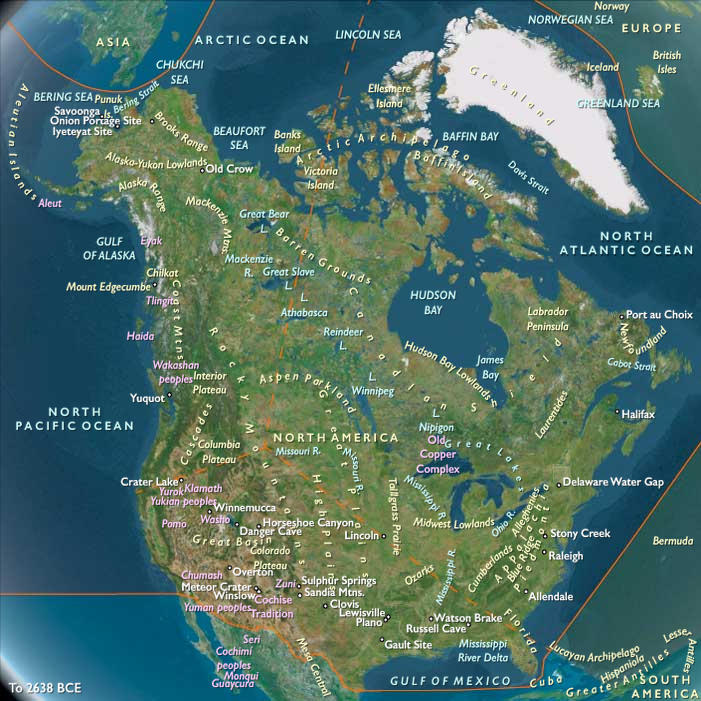
The megafaunal extinctions were particularly severe in North America, where several iconic species were completely eliminated, including:
- Native horses (Equus spp.), which later had to be reintroduced by Europeans.
- Camelids, which had evolved in North America but survived only in South America (as llamas and guanacos) and in Asia (as Bactrian and dromedary camels).
The Role of Climate and Human Hunting
Although similar warming episodes had occurred throughout the last several million years without causing mass megafaunal extinctions, the expansion of advanced human hunters across northern Eurasia and the Americas during this period introduced an unprecedented ecological pressure.
- Overhunting Hypothesis – Highly efficient Upper Paleolithic human hunters, armed with advanced projectile weapons and coordinated hunting strategies, likely accelerated the decline of large mammal populations.
- Climate Stress – The rapid shift from a glacial to interglacial environment led to changes in vegetation, water sources, and habitat availability, further stressing megafaunal species.
A Unique Extinction Event in Prehistory
The interaction between climatic shifts and human expansion distinguishes this extinction event from previous ones. While climate change alone had triggered megafaunal turnovers in earlier epochs, the arrival of human populations introduced a novel, sustained predation pressure, compounding the challenges faced by Ice Age megafauna.
This period marked a transformative shift in global ecosystems, leading to the dominance of smaller, more adaptable species and paving the way for the Holocene’s modern faunal distributions.
Topics
- Paleolithic
- Pleistocene Epoch
- Last glacial period
- Lithic Stage (Americas)
- The Upper Paleolithic
- Allerød Oscillation
- Late Glacial Maximum
- Younger Dryas
- Preboreal Period
Commodoties
Subjects
Regions
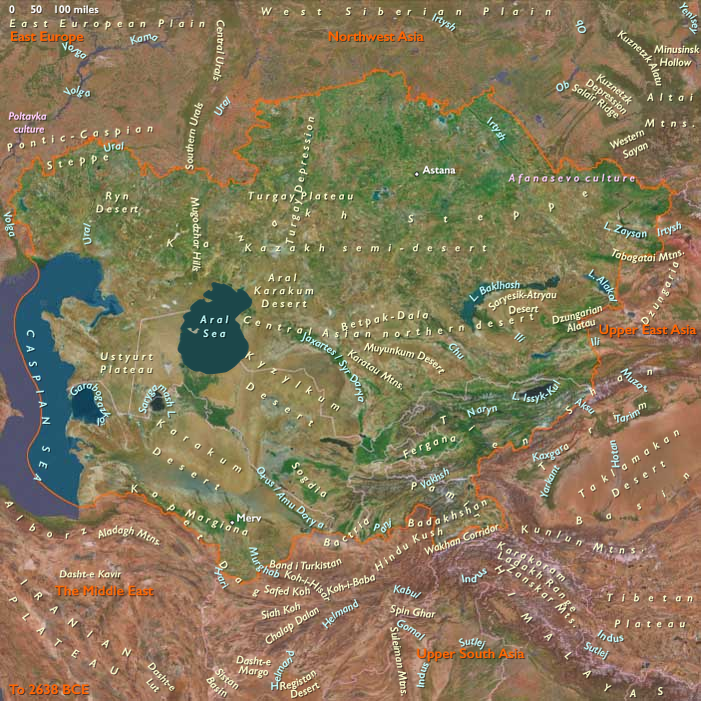
- Central Asia
- Southeast Europe
- Central Europe
- West Europe
- North Europe
- Northeastern Eurasia
- Southwest Europe
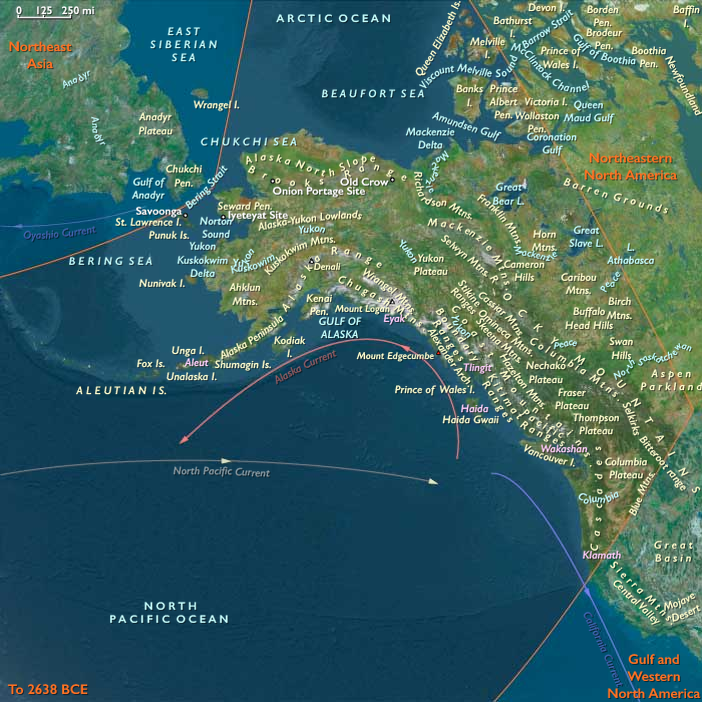
- Northern North America
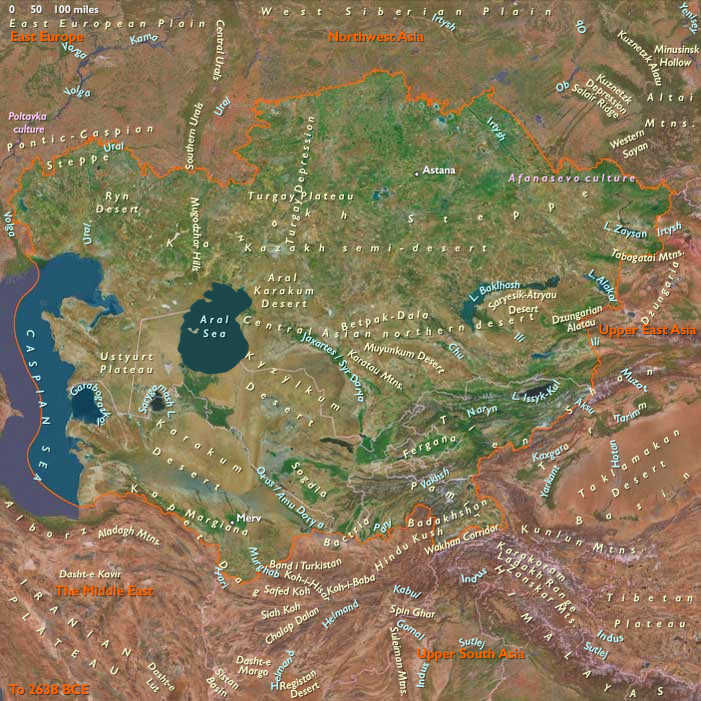
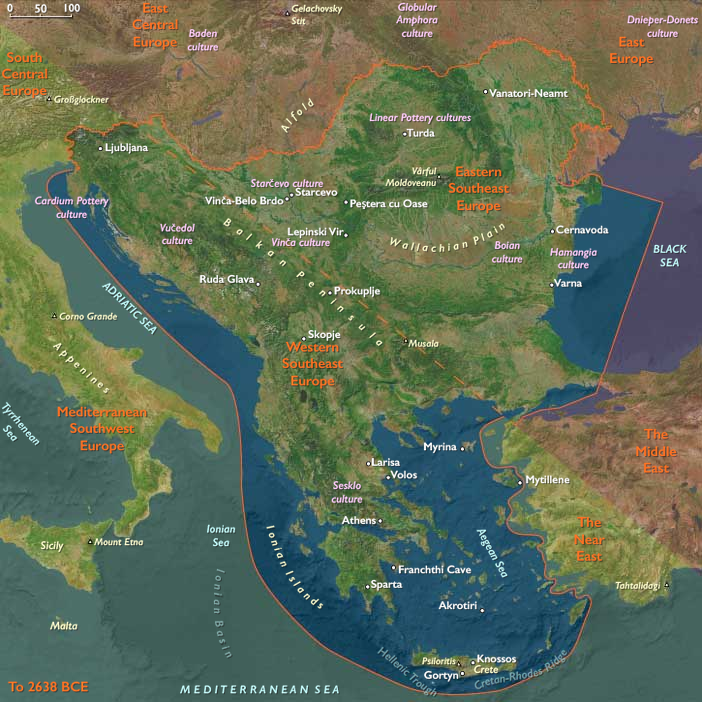
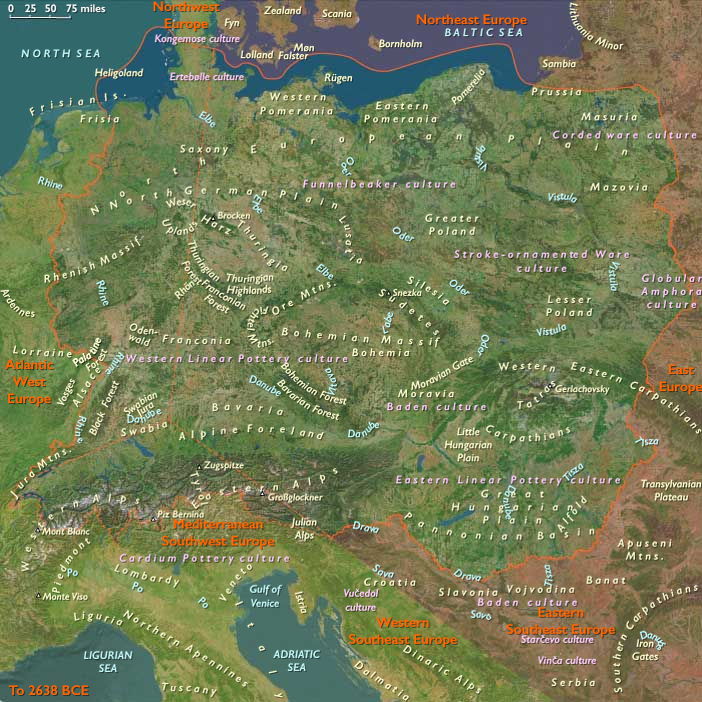
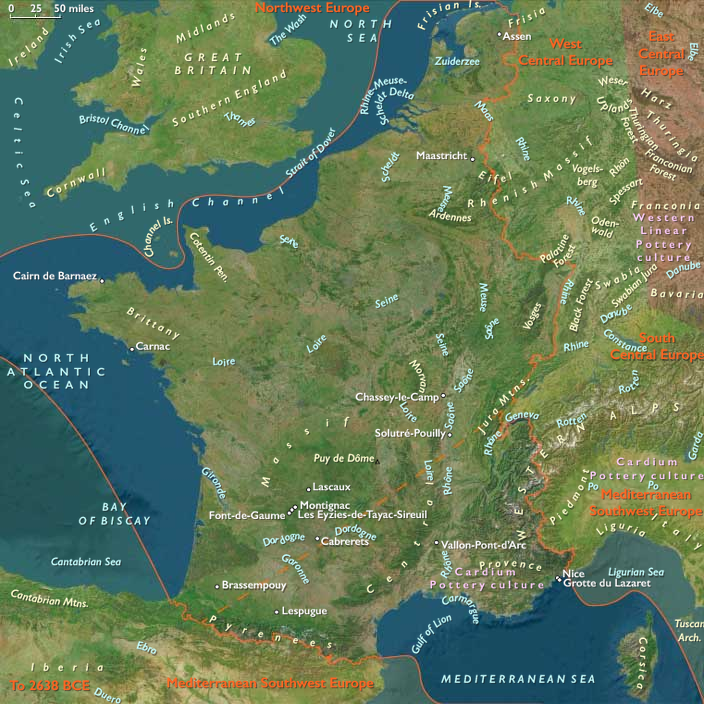
Subregions
- Northwestern North America
- Central Asia
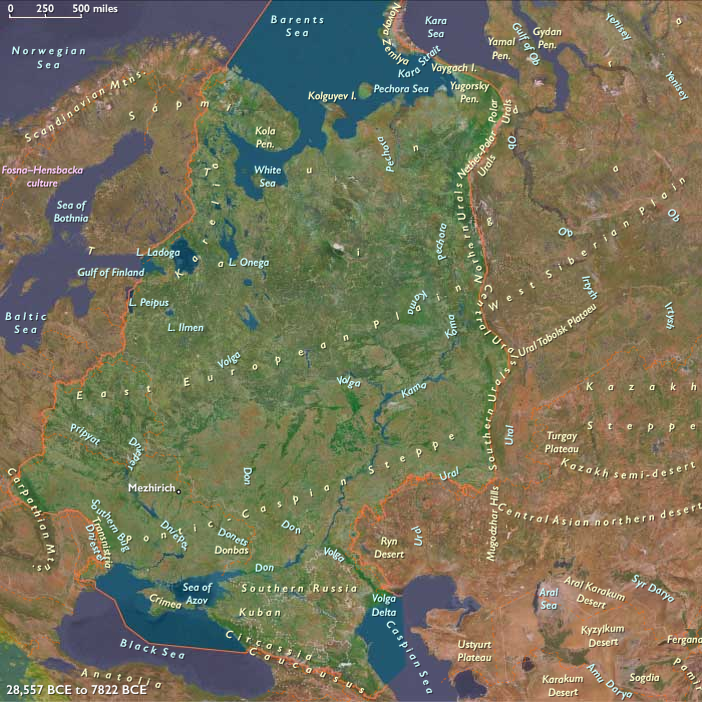
- East Europe
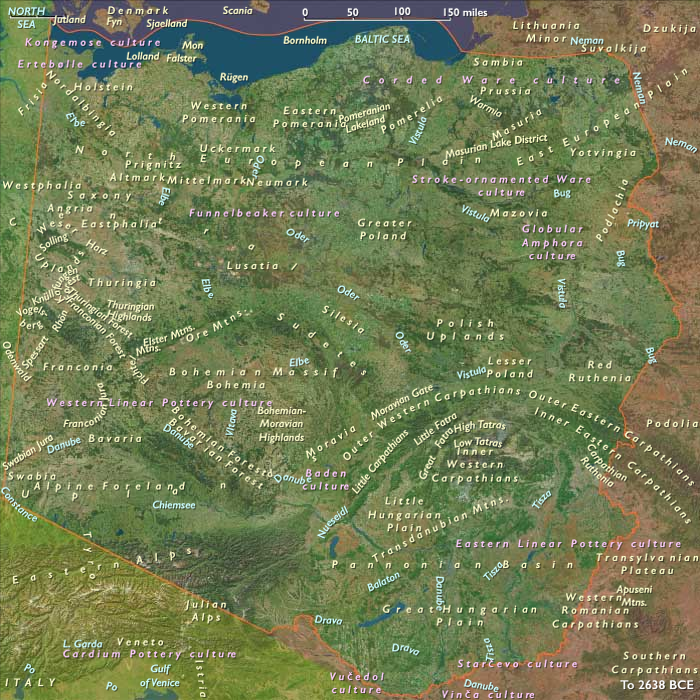
- East Central Europe
- Eastern Southeast Europe
- Middle East
- Mediterranean Southwest Europe
- Atlantic Southwest Europe
- Atlantic West Europe
- Northwest Europe
Years: 11277BCE - 9550BCE
Topics
- Paleolithic
- Pleistocene Epoch
- Last glacial period
- Lithic Stage (Americas)
- The Upper Paleolithic
- Allerød Oscillation
- Late Glacial Maximum
- Younger Dryas
- Preboreal Period
Commodoties
Subjects
Regions
- Central Asia
- Southeast Europe
- Central Europe
- West Europe
- North Europe
- Northeastern Eurasia
- Southwest Europe
- Northern North America
Subregions
- Northwestern North America
- Central Asia
- East Europe
- East Central Europe
- Eastern Southeast Europe
- Middle East
- Mediterranean Southwest Europe
- Atlantic Southwest Europe
- Atlantic West Europe
- Northwest Europe