
The Late Pleistocene-Holocene Megafaunal Extinction Event …
Years: 11277BCE - 9550BCE
The Late Pleistocene-Holocene Megafaunal Extinction Event
The extinction of the cave bear (Ursus spelaeus) around 27,000 years BP was an early indicator of a major wave of megafaunal extinctions that would unfold from the Late Pleistocene into the Holocene. This event saw the disappearance of numerous large mammals, alongside the extinction of our Neanderthal and Denisovan relatives, fundamentally reshaping global ecosystems.
Notable Megafaunal Losses
Among the most iconic species lost during this period were:
- Mammoths and mastodons (Mammuthus and Mammut spp.) – Once dominant herbivores of Ice Age landscapes.
- Saber-toothed cats (Smilodon spp.) – Apex predators that thrived in North and South America.
- Glyptodons (Glyptodon spp.) – Giant armored relatives of modern armadillos.
- Ground sloths (Megatherium and others) – Massive, slow-moving herbivores of the Americas.
- Irish elk (Megaloceros giganteus) – A giant deer with spectacular antlers, found across Eurasia.
- Short-faced bears (Arctodus simus) – One of the largest terrestrial mammalian predators of the Ice Age.
Causes and Consequences
- Climate Change – The warming trend at the end of the Pleistocene altered habitats, leading to vegetation shifts and resource depletion.
- Human Expansion – Advanced hunting strategies and increased predation pressure by expanding human populations likely contributed to megafaunal declines.
- Cascading Ecological Effects – The loss of large herbivores and predators disrupted ecosystems, influencing plant distributions, predator-prey dynamics, and even climate regulation.
This widespread extinction event marked a biological turning point, transitioning Earth from the Ice Age megafauna-dominated ecosystems to those of the Holocene, where smaller, more adaptable species thrived. The impact of this loss continues to influence modern biodiversity and conservation efforts.
Topics
- Paleolithic
- Pleistocene Epoch
- Last glacial period
- Lithic Stage (Americas)
- The Upper Paleolithic
- Allerød Oscillation
- Late Glacial Maximum
- Younger Dryas
- Preboreal Period
Commodoties
Subjects
Regions
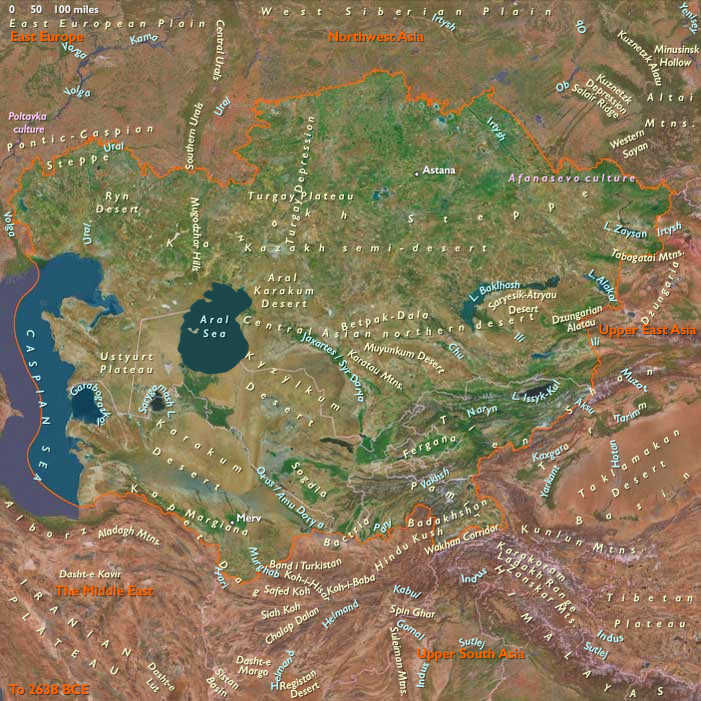
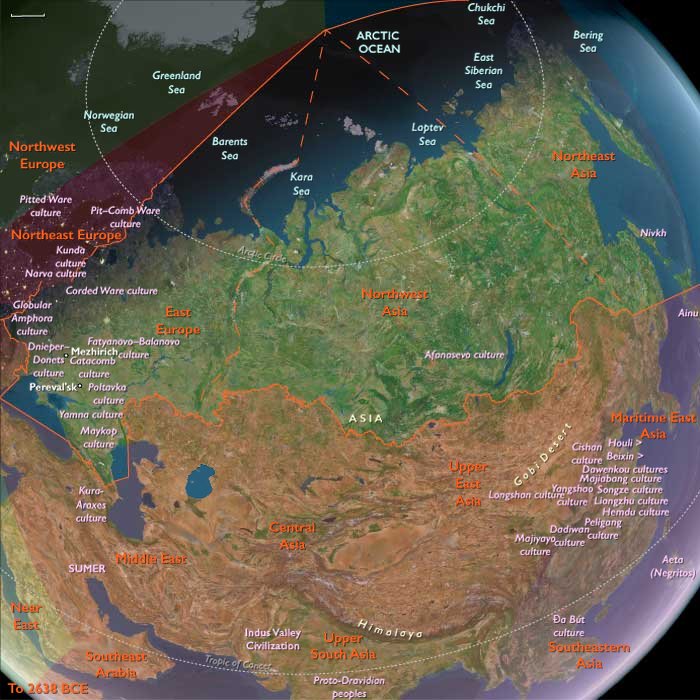
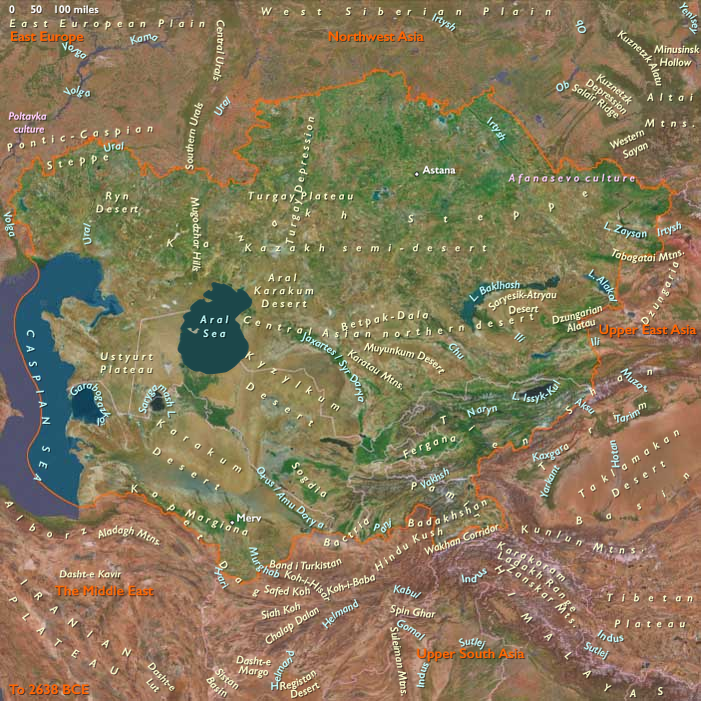
- Central Asia
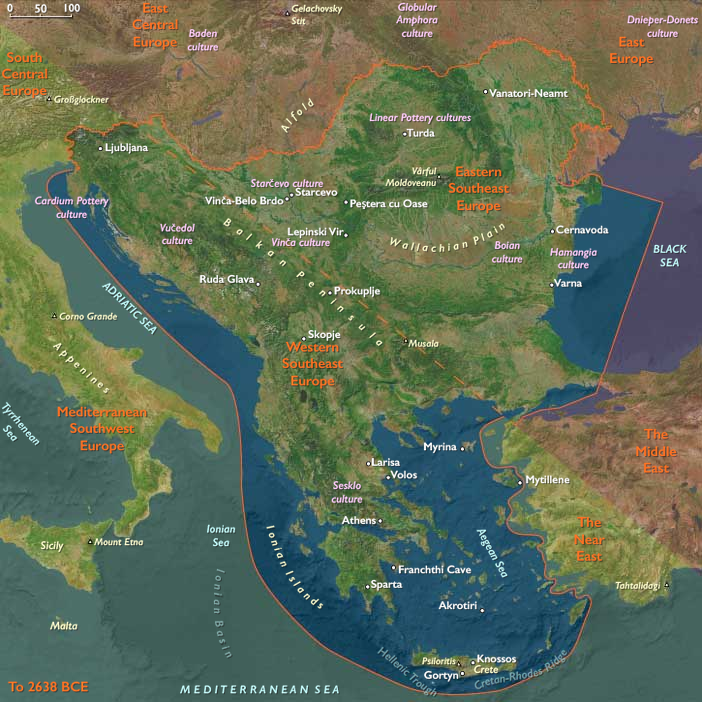
- Southeast Europe
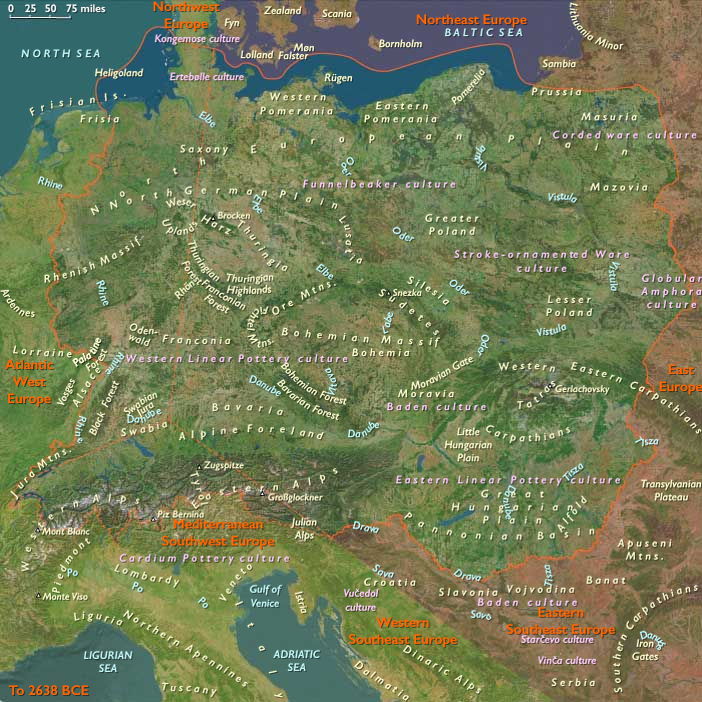
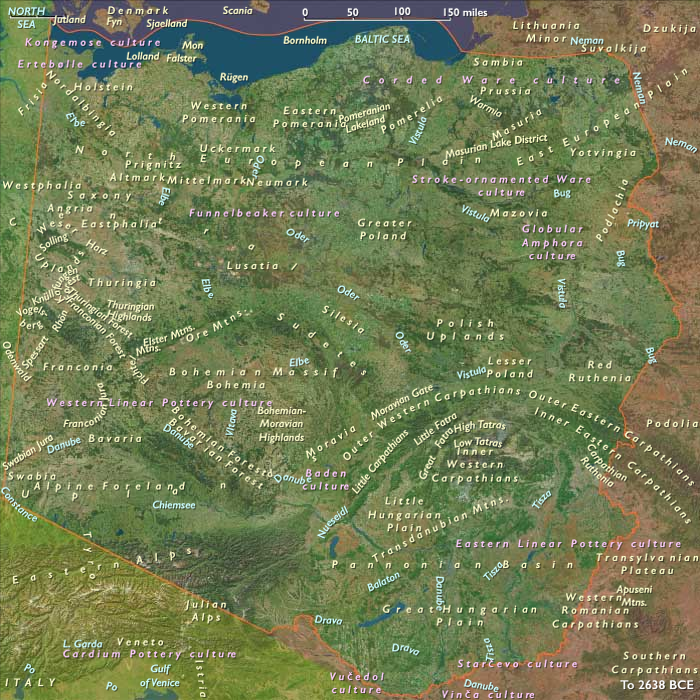
- Central Europe
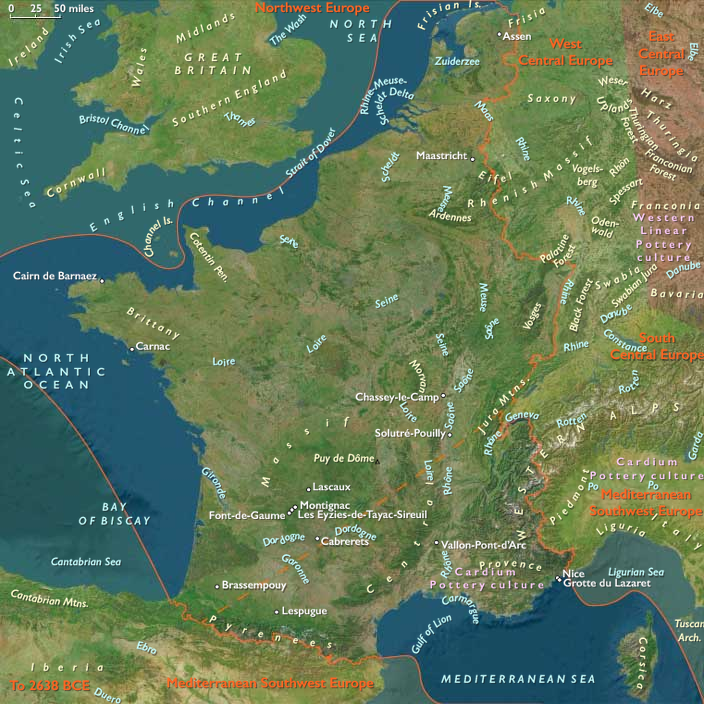
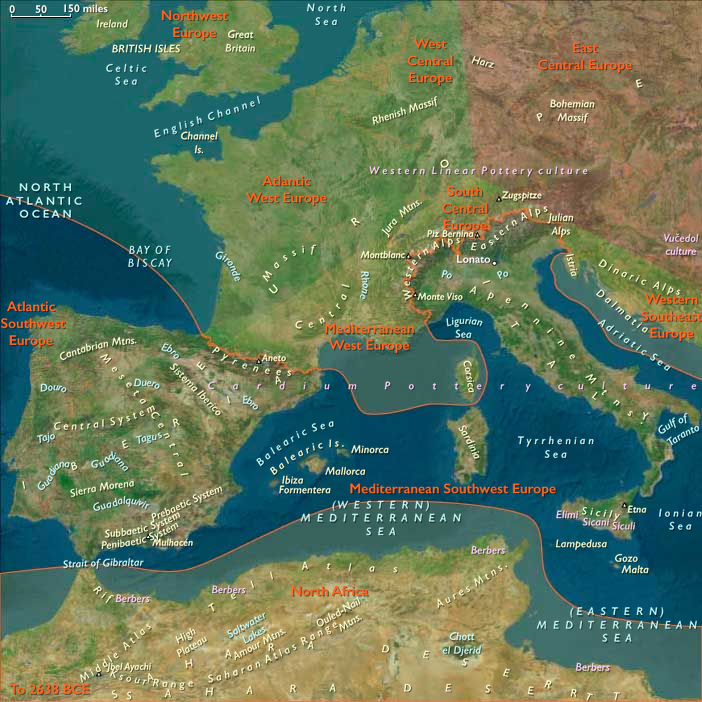
- West Europe
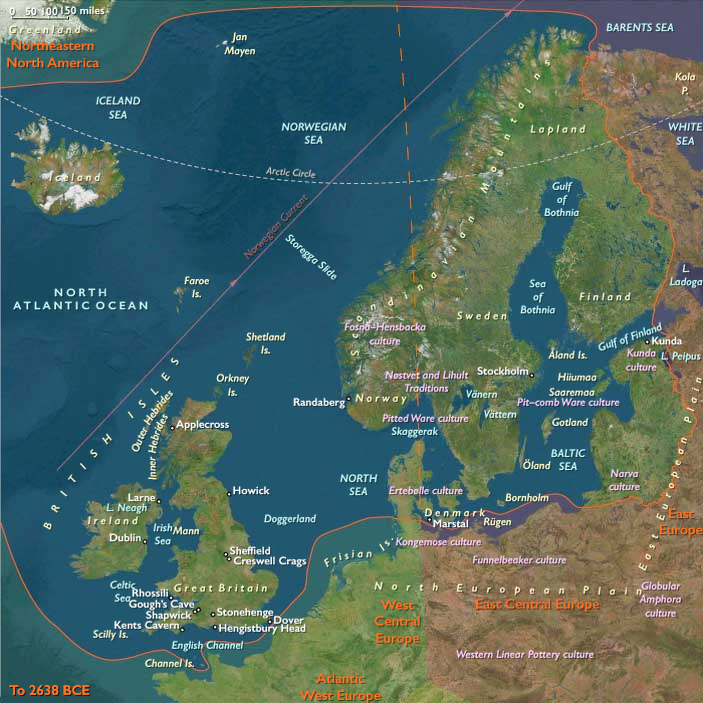
- North Europe
- Northeastern Eurasia
- Southwest Europe
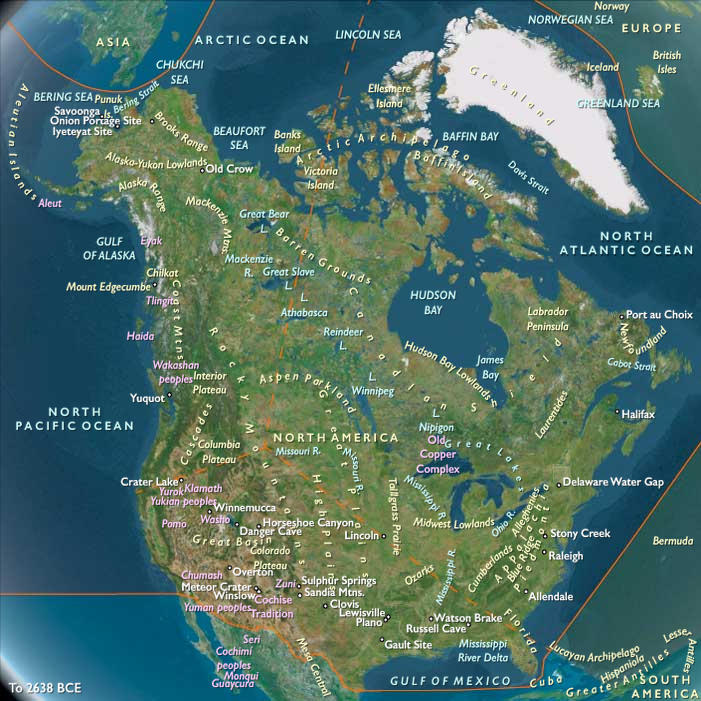
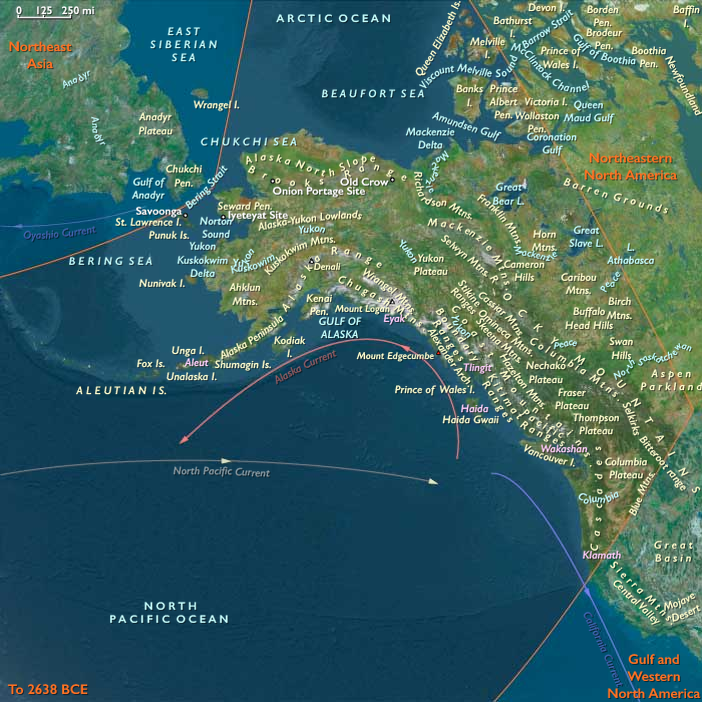
- Northern North America
Subregions
- Northwestern North America
- Central Asia
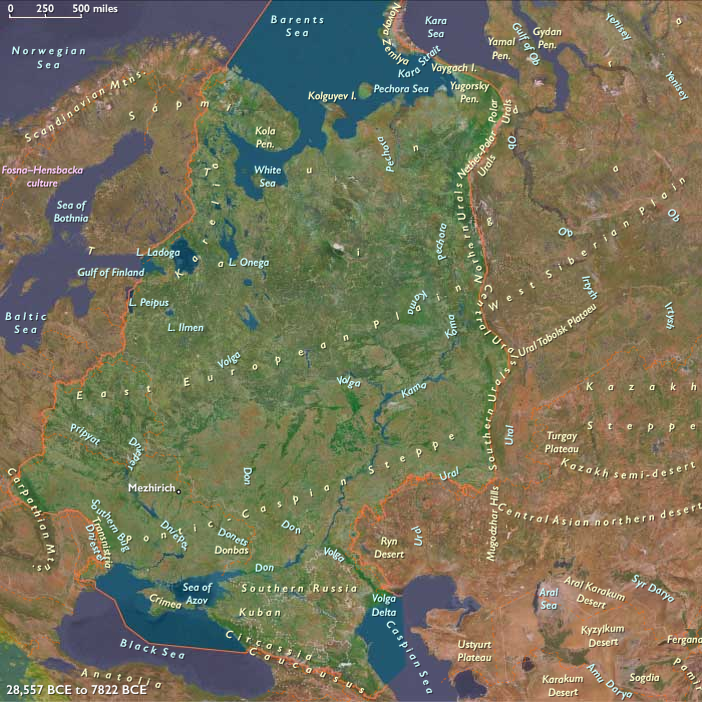
- East Europe
- East Central Europe
- Eastern Southeast Europe
- Middle East
- Mediterranean Southwest Europe
- Atlantic Southwest Europe
- Atlantic West Europe
- Northwest Europe
Related Events
Showing 10 events out of 69399 total
Years: 11277BCE - 9550BCE
Topics
- Paleolithic
- Pleistocene Epoch
- Last glacial period
- Lithic Stage (Americas)
- The Upper Paleolithic
- Allerød Oscillation
- Late Glacial Maximum
- Younger Dryas
- Preboreal Period
Commodoties
Subjects
Regions
- Central Asia
- Southeast Europe
- Central Europe
- West Europe
- North Europe
- Northeastern Eurasia
- Southwest Europe
- Northern North America
Subregions
- Northwestern North America
- Central Asia
- East Europe
- East Central Europe
- Eastern Southeast Europe
- Middle East
- Mediterranean Southwest Europe
- Atlantic Southwest Europe
- Atlantic West Europe
- Northwest Europe