
Jean Ango and the Verrazzano Expedition to…
1527 CE
Jean Ango and the Verrazzano Expedition to Brazil (1527)
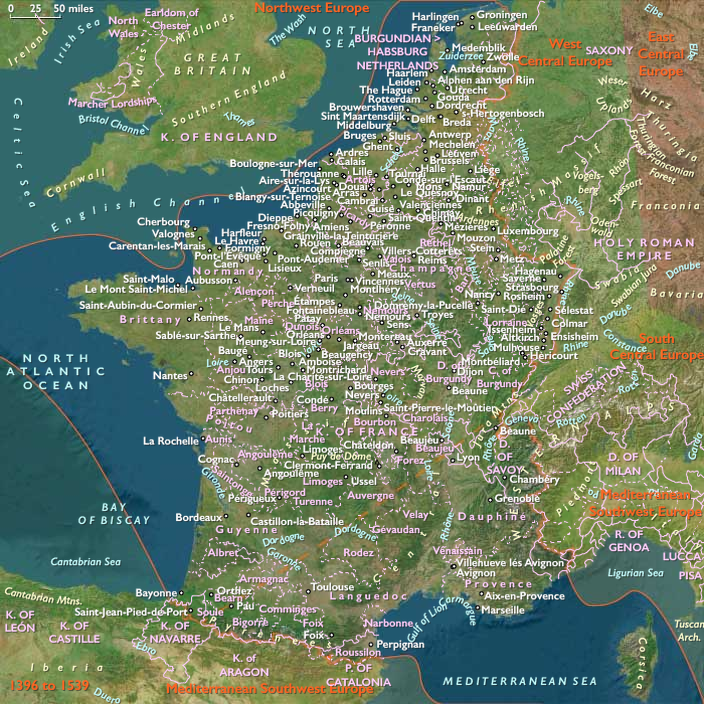
Jean Ango, a prominent and influential French shipowner from Dieppe, significantly shapes maritime exploration and trade in the early sixteenth century. His father, also Jean Ango, had notably sponsored voyages to Newfoundland, including the 1508 expedition captained by Thomas Aubert aboard the Pensée, marking the second recorded French voyage to the Grand Banks following John Cabot's exploration.
Upon inheriting his father's wealth, the younger Ango withdraws from direct trading voyages but maintains control of a formidable maritime operation, eventually commanding a fleet comprising some seventy vessels, including merchantmen and fishing ships. He leverages his naval resources not only for legitimate trade and wartime raids sanctioned by the crown, but also engages openly in acts of piracy against foreign competitors, enriching himself and enhancing his prestige. Ango's prominence at court is reflected by his appointment as Viscount of Dieppe in 1521 and Captain of Dieppe in 1533, following a personal visit by King Francis I to his Normandy estate.
In 1527, Jean Ango, alongside Philippe de Chabot, Admiral of France, provides substantial financial backing for Italian navigator Giovanni da Verrazzano’s second major expedition. Departing Dieppe early that year with four ships, the expedition encounters severe weather near the Cape Verde Islands, causing one ship's separation from the fleet. Verrazzano, however, successfully reaches the Brazilian coast with two of the remaining vessels. He and his crew gather a valuable cargo of brazilwood—highly sought after in Europe for dye production—and return to Dieppe by September. The third ship, initially separated, also returns successfully later, similarly laden with brazilwood.
Long-term Consequences and Significance
Ango's patronage of the 1527 voyage bolsters France's burgeoning maritime exploration and furthers its ambitions in overseas expansion. The voyage to Brazil contributes significantly to France's early colonial and trade efforts in the Americas, highlighting the strategic value of transatlantic voyages and intensifying competition among European maritime powers. Ango's combination of legitimate and illicit maritime activities reflects the complexities of early modern maritime law and diplomacy, positioning France prominently in the increasingly competitive Atlantic world.
Locations
People
Topics
Commodities
Subjects
Regions
West Europe
View →Subregions
