
Château de Chenonceau: Renaissance Architecture on the…
1521 CE
Château de Chenonceau: Renaissance Architecture on the Cher (1521)
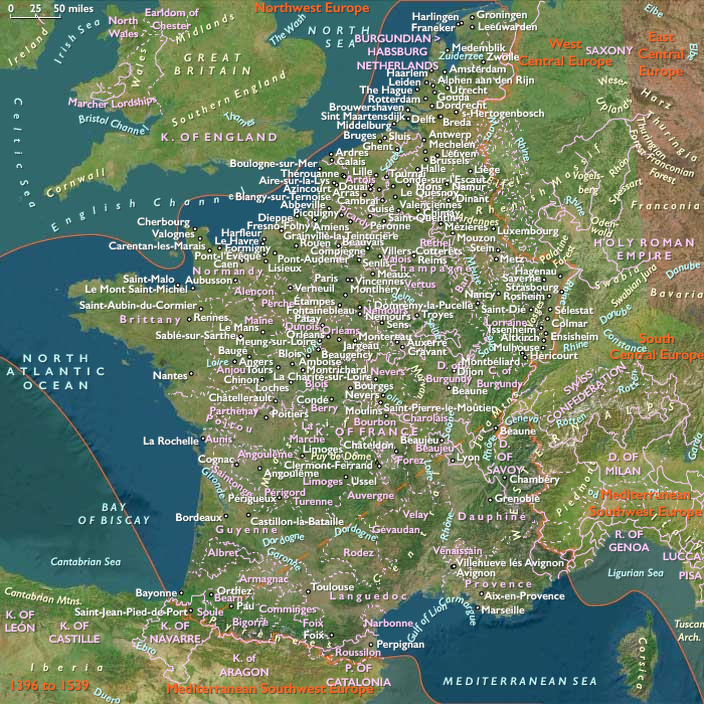
The fief of Chenonceau, located approximately one hundred and twenty-two miles southwest of Paris, had belonged to the Marques family since the thirteenth century. An earlier château at this site, near the village of Chenonceaux on the Cher River, was burned in 1412 as punishment for owner Jean Marques's alleged sedition. He rebuilt a fortified mill and castle in the 1430s, which his indebted heir, Pierre Marques, eventually sold to Thomas Bohier, former Chamberlain to King Charles VIII and financial minister of Normandy, in 1513.
From 1515 to 1521, Bohier demolished the older structure—except for the fifteenth-century keep—and oversaw the construction of a graceful new château in the refined French Renaissance style, influenced by contemporary Italian architectural trends. The building process was frequently supervised by his wife, Katherine Briçonnet, who transformed Chenonceau into a celebrated center of courtly hospitality, hosting nobility and even entertaining King Francis I twice.
The construction of Chenonceau exemplifies the cultural and architectural transformation underway in early sixteenth-century Atlantic West Europe, as fortified medieval residences increasingly gave way to more refined, elegant noble dwellings featuring landscaped gardens and symmetrical, classically inspired forms.
The château remains a landmark of Renaissance influence in France, signaling a broader shift in the tastes and cultural aspirations of the European aristocracy during this period.
Locations
People
Subjects
Regions
West Europe
View →Subregions
