The Concert of Europe (1815–1820s) – The…
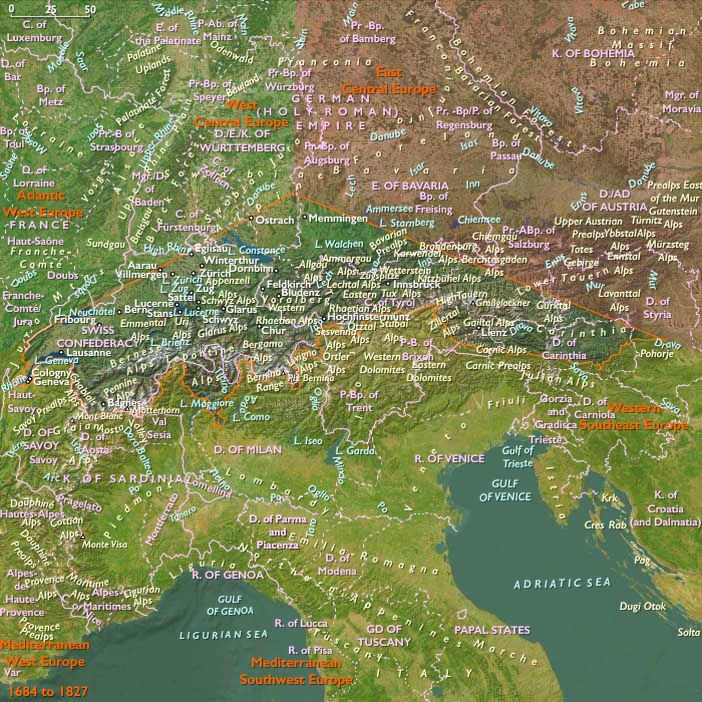
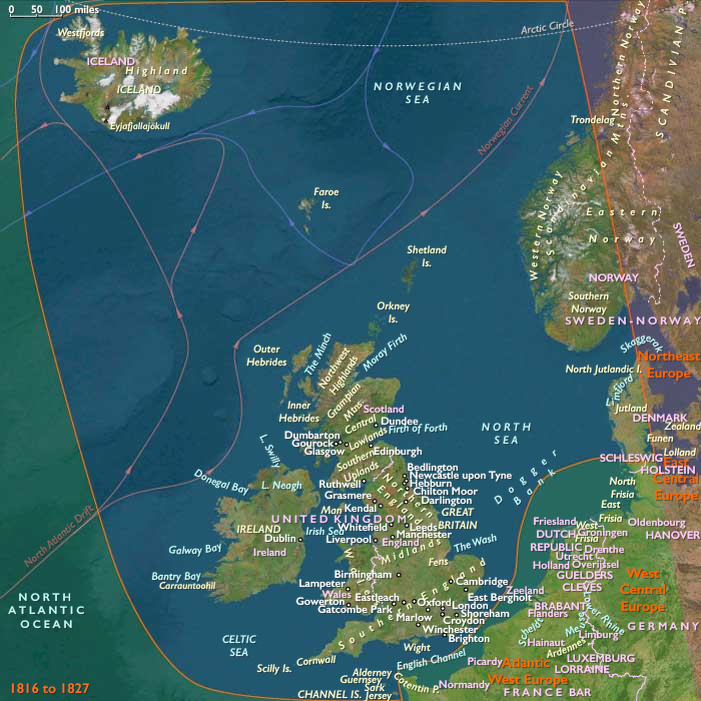
1816 CE to 1827 CE
The Concert of Europe (1815–1820s) – The Post-Napoleonic World Order
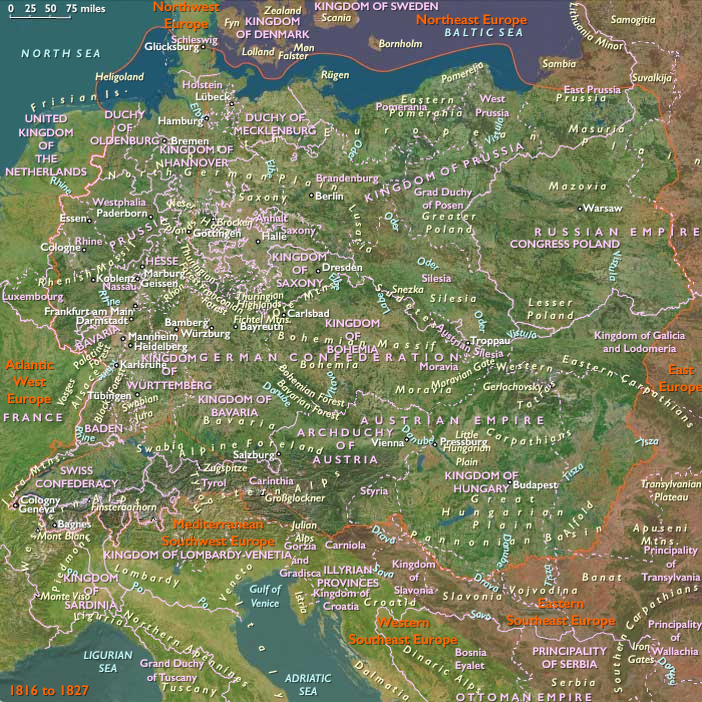
Following Napoleon’s final defeat at Waterloo (1815), the Congress of Vienna restored monarchies and redrew national boundaries, establishing a new diplomatic order known as the Concert of Europe. This system, founded by the Quadruple Alliance (Austria, Prussia, Russia, and Britain), was designed to preserve stability and prevent future revolutions or large-scale conflicts.
The Creation of the Concert of Europe
- The Quadruple Alliance (1815) – Austria, Prussia, Russia, and Britain formed a strategic alliance to maintain European stability and counteract future revolutionary threats.
- France later joined as a fifth member after the restoration of the Bourbon monarchy, bringing it back into international diplomacy under Talleyrand’s influence.
This new era of diplomacy, sometimes called the "Age of Metternich" or the "European Restoration," sought to preserve the balance of power and contain liberal and nationalist uprisings.
Key Figures of the Concert System
- Lord Castlereagh (Britain) – British Foreign Secretary, key in shaping British non-involvement in continental affairs.
- Klemens von Metternich (Austria) – The Austrian Chancellor, leading advocate of conservatism and monarchic stability.
- Tsar Alexander I (Russia) – A proponent of the Holy Alliance, advocating military intervention against revolutions.
- Charles Maurice de Talleyrand-Périgord (France) – Master diplomat who quickly restored France’s role in international diplomacy.
How the Concert of Europe Functioned
- The Concert had no formal institutions or written treaties but operated through conferences of the Great Powers during crises.
- Major diplomatic meetings included:
- Congress of Aix-la-Chapelle (1818) – Readmitted France into the Concert, ending its occupation.
- Congress of Carlsbad (1819) – Established the Carlsbad Decrees, suppressing liberal movements in German states.
- Congress of Troppau (1820) – Discussed intervention against revolutions in Italy and Spain.
- Congress of Laibach (1821) – Further strengthened Austrian influence in Italy.
- Congress of Verona (1822) – Austria, Prussia, and Russia approved military action against Spain, while Britain declined involvement.
The Decline of the Concert of Europe (1820s)
- Britain withdrew from continental affairs (1818), rejecting Tsar Alexander I’s plan to suppress future revolutions.
- Rivalries emerged between Austria, Prussia, and Russia, weakening their unity.
- The system collapsed in the early 1820s, as the Great Powers prioritized their own national interests over collective stability.
Conclusion – A Short-Lived but Influential System
The Concert of Europe briefly preserved balance in the post-Napoleonic world, suppressing revolutions and avoiding major wars. However, growing economic and political rivalries made it unsustainable, leading to its decline in the 1820s. Despite its collapse, the idea of maintaining balance through diplomacy influenced European politics for much of the 19th century.