The first outbursts of mass protest against…
September 1771 CE
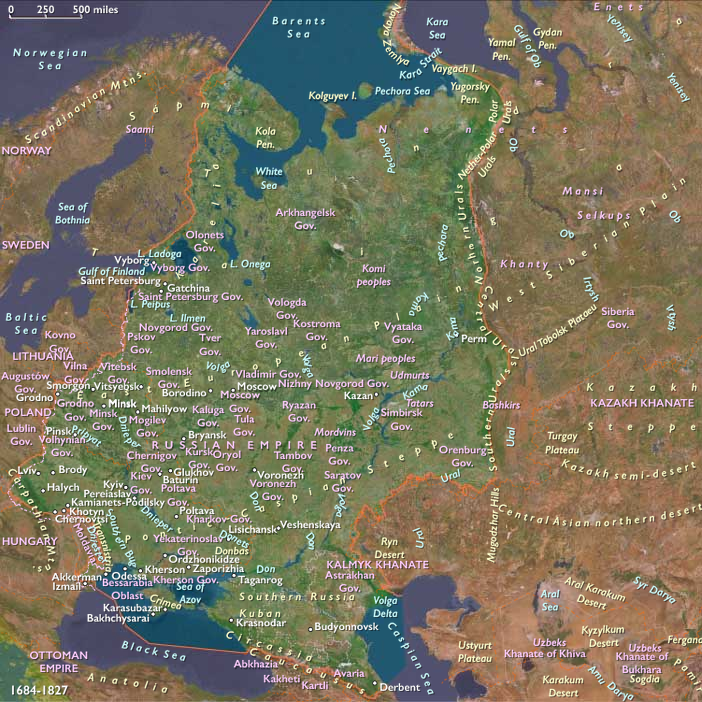
The first outbursts of mass protest against the measures undertaken by the authorities take place on August 29 and September 1 in a neighborhood of Lefortovo.
The rumors of an imminent uprising are already circulating by early September.
An attempt by the Archbishop Ambrosius of Moscow to prevent the citizens from gathering at the Icon of the Virgin Mary of Bogolyubovo in Kitai-gorod as a quarantine measure serves as an immediate cause for the Plague Riot.
Huge crowds of Muscovites begin to flow towards the Red Square at the sound of the alarm bell on September 15.
Pushing aside a military unit, they burst into the Kremlin and destroy the Chudov Monastery and its wine cellars.
Archbishop Ambrosius manages to escape to the Donskoy Monastery.
The riot gains in strength on September 16.
Angry citizens capture the Donskoy Monastery, kill Archbishop Ambrosius, and destroy two quarantine zones (Danilov Monastery and the one beyond the Serpukhov Gates).
Most of the rebels approach the Kremlin in the afternoon and are met by a number of military units.
The crowd demands the surrender of Lieutenant General Pyotr Yeropkin, who has been overseeing the affairs of Moscow after Pyotr Saltykov's departure.
The army, opening fire with buckshot as soon as the Muscovites try to attack the Kremlin's Spasskiye Gates, disperses the crowd and captures some of the rebels.
Around a thousand people gather at the Spasskiye gates again on the morning of September 17, demanding the release of captured rebels and elimination of quarantines.
The army manages to disperse the crowd yet again and finally suppresses the riot.
Some three hundred people are brought to trial.
A government commission headed by Grigory Orlov is sent to Moscow on September 26 to restore order.
It takes some measures against the plague and provides citizens with work and food, which finally pacify the people of Moscow.
The commission improves services in quarantines, puts an end to the burning of property, reopens public baths, permits trade, increases food deliveries, and organizes public works.
At the same time, the commission is engaged in prosecuting those who had taken part in the Plague Riot.
Four of them are executed; one hundred and sixty-five adults and twelve teenagers are subjected to punishment.
The outbreak begins to subside with the onset of cold weather.
Topics
Subjects
Regions
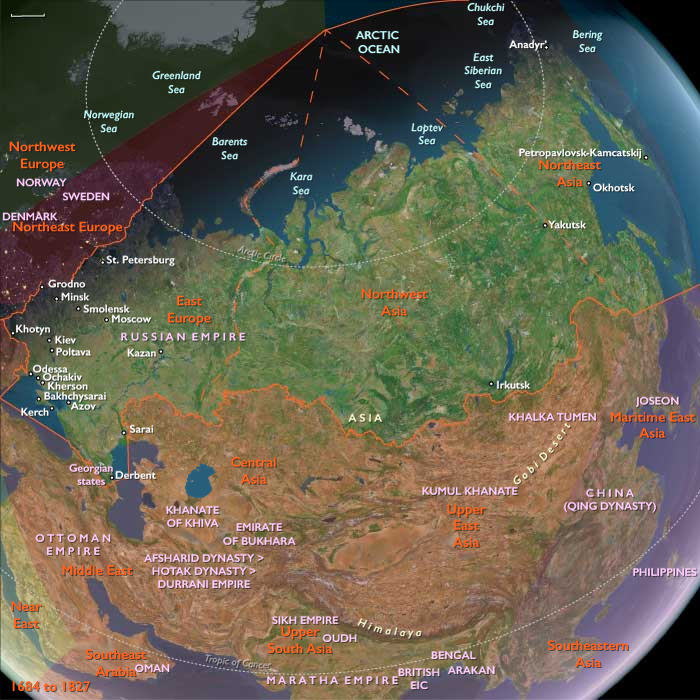
Northeastern Eurasia
View →Subregions