British Reinforcements for Portugal – Wellesley’s Push…
July 1808 CE
British Reinforcements for Portugal – Wellesley’s Push for Action (July–August 1808)
On July 30, 1808, the same day as the massacre at Évora, Sir Arthur Wellesley received a crucial letter from Viscount Castlereagh, the British Secretary of War, informing him that French forces in Portugal under General Jean-Andoche Junot numbered more than 25,000 men.
Recognizing the strategic importance of Portugal, Castlereagh outlined plans to increase the British military presence, hoping to turn the tide against the French occupation.
British Reinforcements and Command Structure
- Britain planned to reinforce the army in Portugal with an additional 15,000 troops.
- General Sir John Moore was expected to arrive with an army from Sweden.
- Another British force would be dispatched from Gibraltar.
Command Issues – Wellesley’s Temporary Authority
Despite his early successes and military expertise, Wellesley was not given overall command of the expanding British force in Portugal. Instead, authority was granted to:
- Sir Hew Dalrymple – The Governor of Gibraltar, a 60-year-old general who had only seen action in the failed Flanders campaign of 1793–1794.
- Sir Harry Burrard – Appointed as Dalrymple’s second-in-command.
- Five other senior generals – Including John Moore, John Hope, Alexander Fraser, and Lord Paget, all of whom ranked above Wellesley.
Despite his ambitions and superior tactical ability, Wellesley understood that his time in command was limited. Determined to act before the new senior officers arrived, he resolved to launch an offensive while still in command.
Landing at Mondego Bay – Wellesley’s First Move
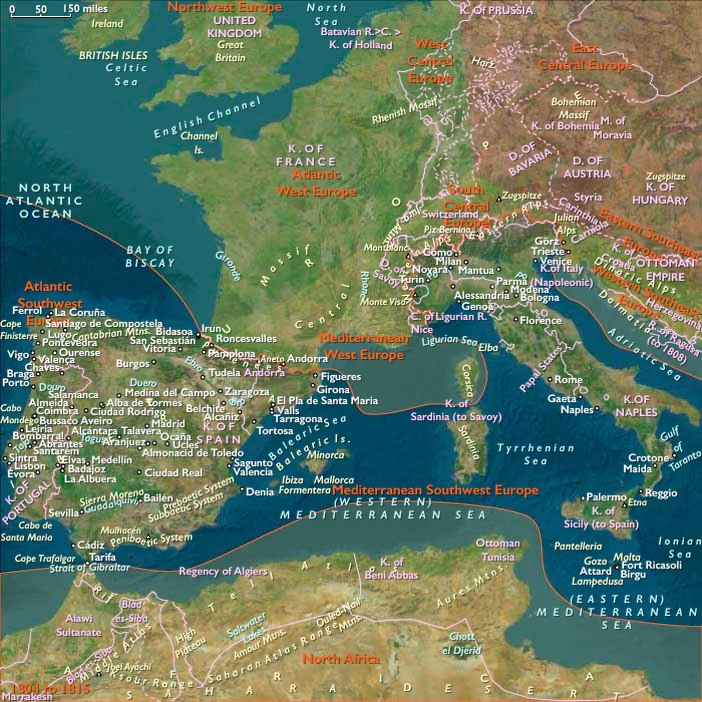
- Wellesley rendezvoused with Admiral Cotton’s convoy at Mondego Bay, a carefully chosen landing point.
- He selected Mondego Bay because Coimbra University students had seized the nearby fort, making it a safer and more defensible landing area than locations closer to Lisbon.
- The landing at Mondego Bay marked the beginning of Britain’s full-scale military intervention in Portugal, setting the stage for Wellesley’s first major victory in the Peninsular War.
Conclusion – Wellesley Takes the Initiative
With his window of command closing, Wellesley acted decisively, seeking to engage the French before bureaucratic delays and senior officers could interfere. His rapid deployment and offensive mindset would soon lead to the Battle of Roliça (August 17, 1808) and the Battle of Vimeiro (August 21, 1808), marking the first major British victories against Napoleon’s forces in Portugal.
Locations
People
Groups
Regions