Jewish Emancipation and Its Consequences in 19th-Century…
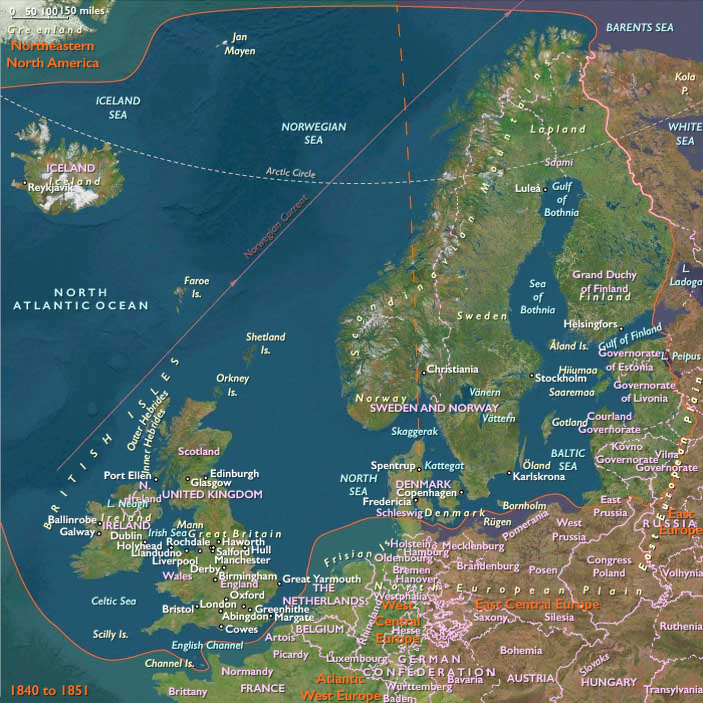
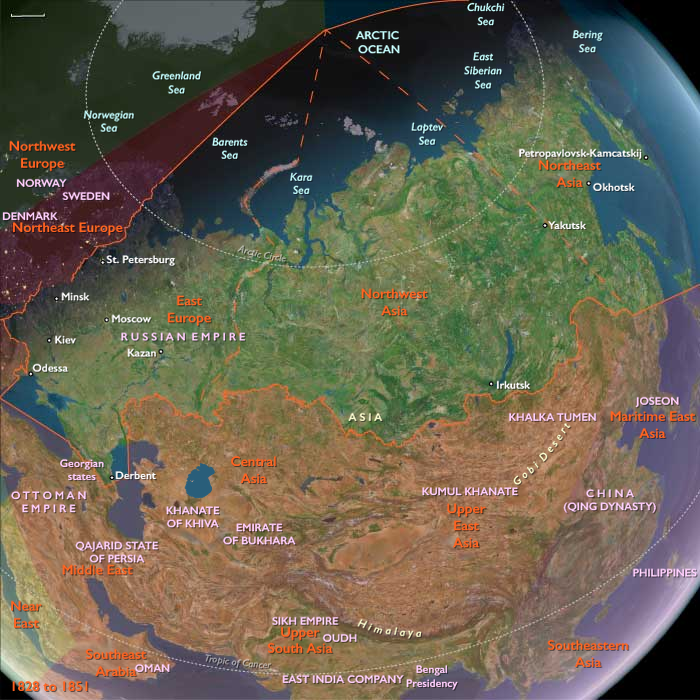
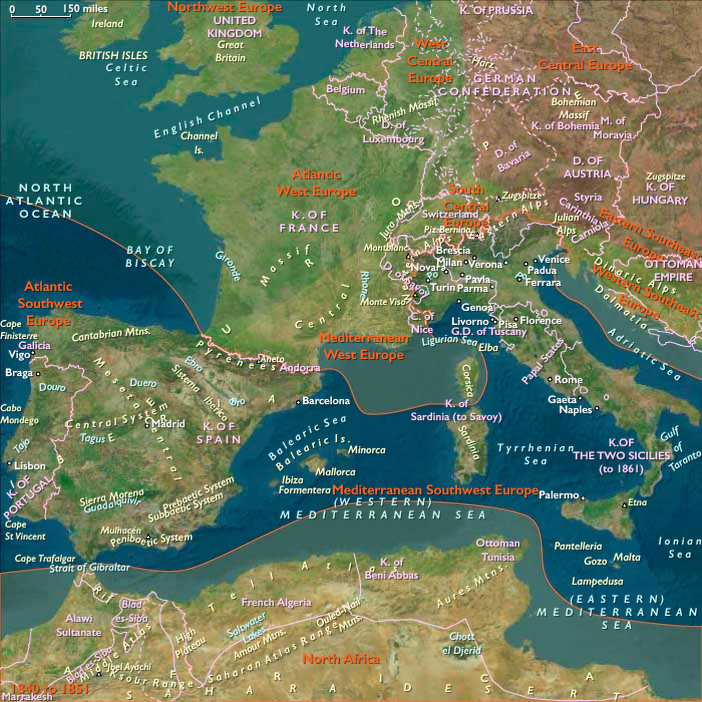
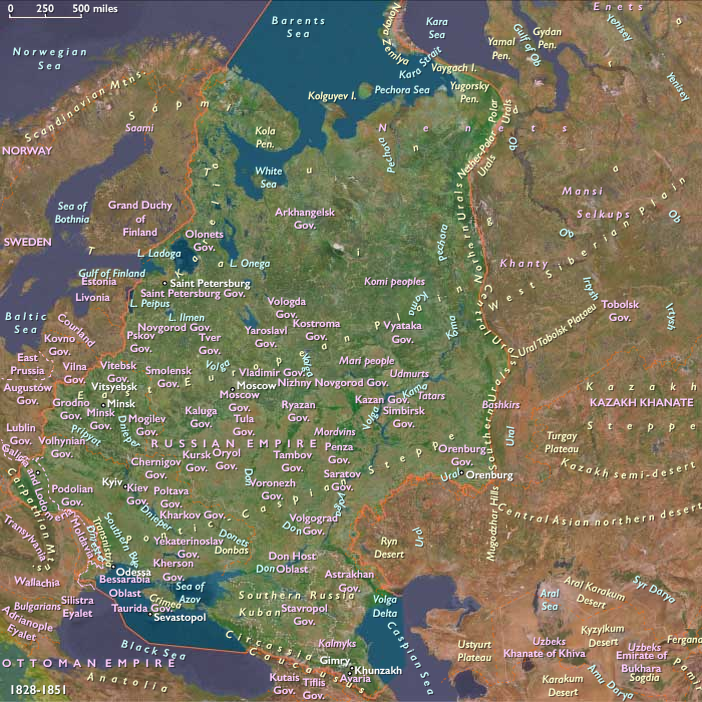
1840 CE to 1851 CE
Jewish Emancipation and Its Consequences in 19th-Century Europe
The emancipation of Jews in France following the French Revolution (1789–1799) led to a wave of Jewish emancipation across Western and Central Europe. This transformation allowed Jewish communities to integrate into mainstream European society for the first time after centuries of isolation in ghettos and restrictions on professions. However, for most Jews in Eastern Europe, emancipation remained elusive, and traditional communal structures (kehilot) continued to dominate Jewish life.
Western and Central European Jews – A Path to Integration
- Jews in France were granted full citizenship by Napoleon in 1804, followed by:
- Prussia (1812), the Netherlands (1796), Austria (1867), and Italy (1848–1870).
- The German states gradually granted Jewish rights during the 19th century.
- With their legal status secured, Jews rapidly entered academia, medicine, law, journalism, and the arts.
- Many Jewish families rose to prominence in banking and finance, such as the Rothschilds, who became major economic players across Europe.
Result: Jews became increasingly assimilated into European cultural, intellectual, and economic life, often adopting secular lifestyles while still maintaining aspects of their religious identity.
Eastern European Jews – Stagnation and Growing Oppression
- Unlike in Western Europe, Jews in Eastern and Central Europe (particularly Russia, Poland, and the Austrian Empire) lived in kehilot (semi-autonomous Jewish communities).
- The kehilot were governed by rabbinic elites, enforcing strict religious and social conformity.
- The rise of liberal ideas in the West caused unrest among Jews in Eastern Europe, who saw Jewish communal life as overly restrictive.
Compounding this problem:
- Russia’s tsarist regime became increasingly repressive, imposing new restrictions on Jewish life.
- In 1791, Catherine the Great confined Jews to the Pale of Settlement, forbidding them from living in central Russia.
- By the early 19th century, Jews in the Russian Empire faced institutional discrimination, forced conscription, and economic hardship.
Social and Religious Tensions – The “Jewish Question” in Europe
The integration of Jews into European society led to major changes in how Jews and non-Jews related to each other:
-
Jewish Internal Struggles – Tradition vs. Secularism
- Jews had to reconcile traditional Judaism, which had been structured around separation from non-Jews, with new opportunities for social and economic participation.
- Some embraced reform movements, such as the Haskalah (Jewish Enlightenment), which promoted education, secular studies, and modernization.
-
Non-Jewish Backlash – Rising Antisemitism
- Many non-Jews, who had previously had little or no interaction with Jews, now saw them as economic competitors.
- The rapid success of Jewish professionals and financiers led to resentment and conspiracy theories.
- Christian clergy, particularly within the Catholic Church, identified Jews as beneficiaries of the French Revolution, accusing them of spreading liberalism, secularism, and anti-clericalism.
Conclusion – A New Era of Jewish Life, But Also New Conflicts
Jewish emancipation fundamentally changed Jewish life in Europe, offering unprecedented opportunities for integration and success. However, it also:
- Created tensions between tradition and modernity within Jewish communities.
- Provoked antisemitic backlash from both conservative elites and segments of the working class.
- Led to political debates over the role of Jews in European society, which would intensify in the late 19th and early 20th centuries.
While Jews in Western and Central Europe advanced socially and economically, their counterparts in Eastern Europe remained largely oppressed, setting the stage for later migration waves, ideological movements like Zionism, and continuing struggles for Jewish rights.
Groups
Subjects
Regions
Subregions
East Europe
View →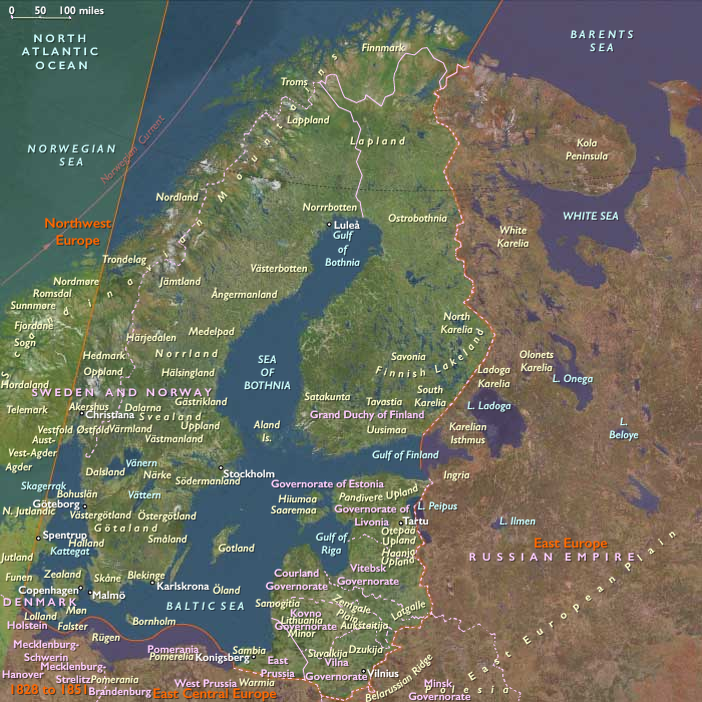
Northeast Europe
View →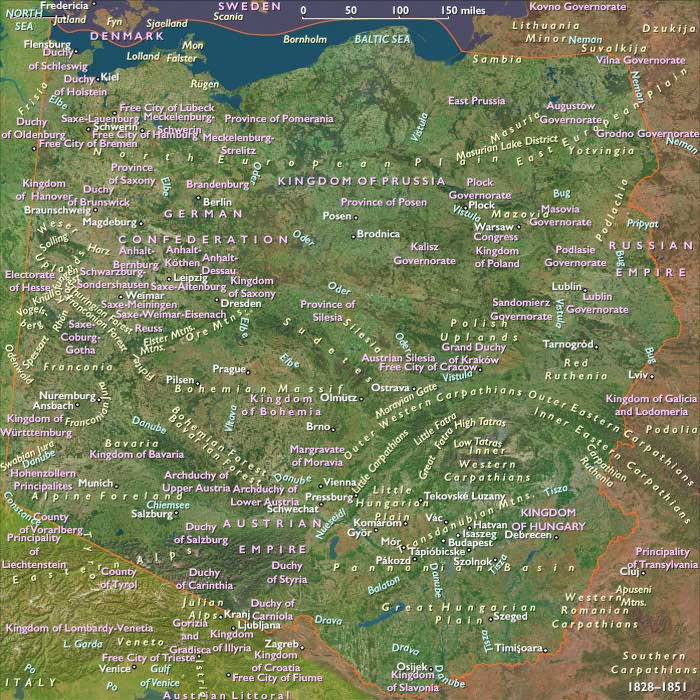
East Central Europe
View →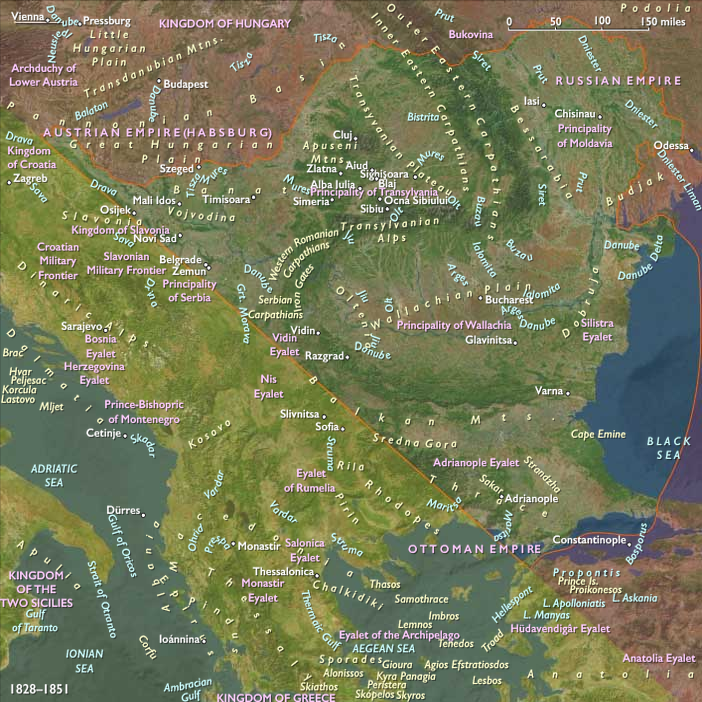
Eastern Southeast Europe
View →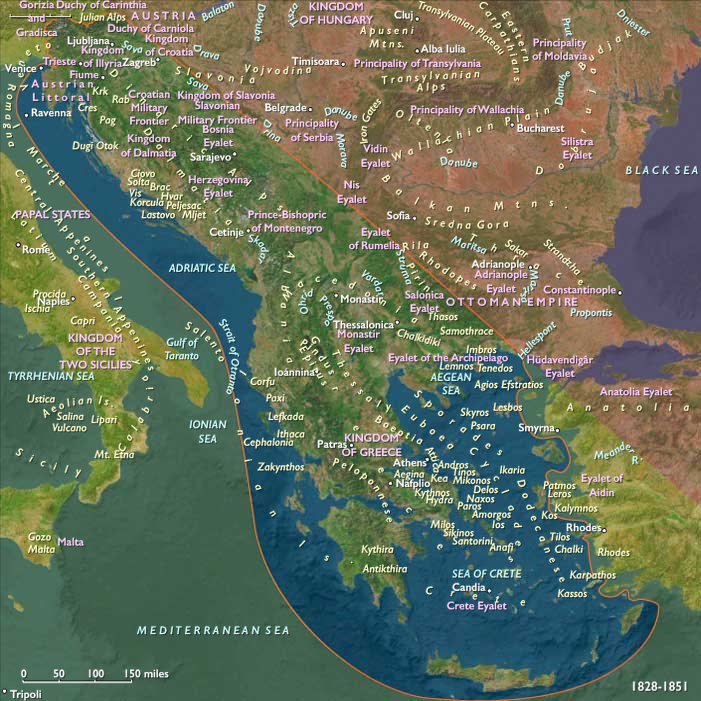
Western Southeast Europe
View →
South Central Europe
View →
Mediterranean West Europe
View →
Mediterranean Southwest Europe
View →
Atlantic Southwest Europe
View →
Atlantic West Europe
View →
West Central Europe
View →