Event
The Late Basket Maker II culture, a…
The Late Basket Maker II culture, a preagricultural, nonceramic stage during which the Basket Makers were nomadic hunter-gatherers, succeeds the Archaic Anasazi culture (designated by modern archaeologists, until recently, as Basket Maker I), around 50 CE.
The Basketmaker II people raise maize and squash, the first people of the northern American southwest to do so, which requires them to be located near sources of water and good soil.
Carbon isotope analysis of bones of Archaic people compared to Basketmakers indicates that the Basketmakers' diet was rich in maize.
Manos and metates were used to grind maize and other foods.
Food was stored below ground in storage cists, often lined with slabs of stone.
The primary dwellings of this period are round or circular pit-houses that are built on open land and partially below the ground surface.
The entrance to the house faces east or south.
Logs and rocks are often used for the dwelling’s foundation.
The building materials for the walls could include stacked logs, jacal or poles and brush.
In the center of the dwelling is a fire pit.
Some early people build their dwellings within the natural protection of rock shelters, especially during the beginning of this period.
-
{# Image navigates to the detail page; the magnifying-glass chip is the only Fancybox lightbox trigger (kept a separate sibling — anchors can't nest). #}
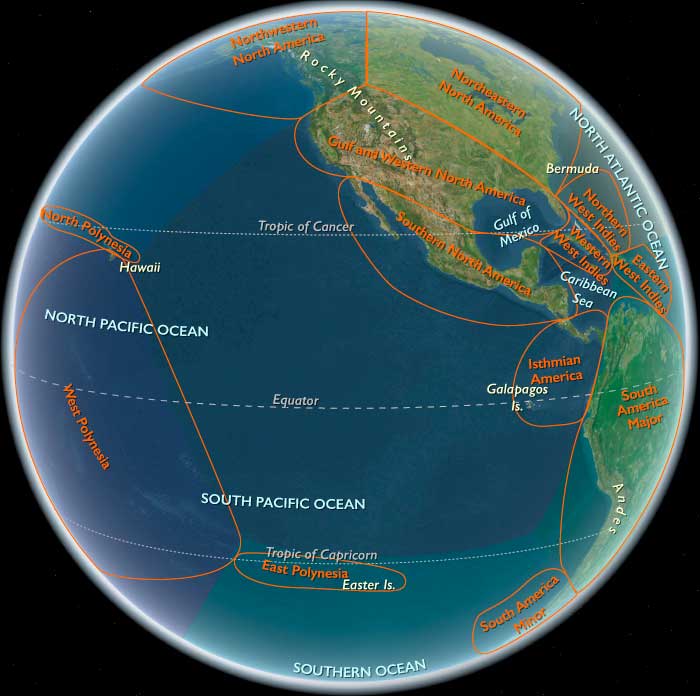
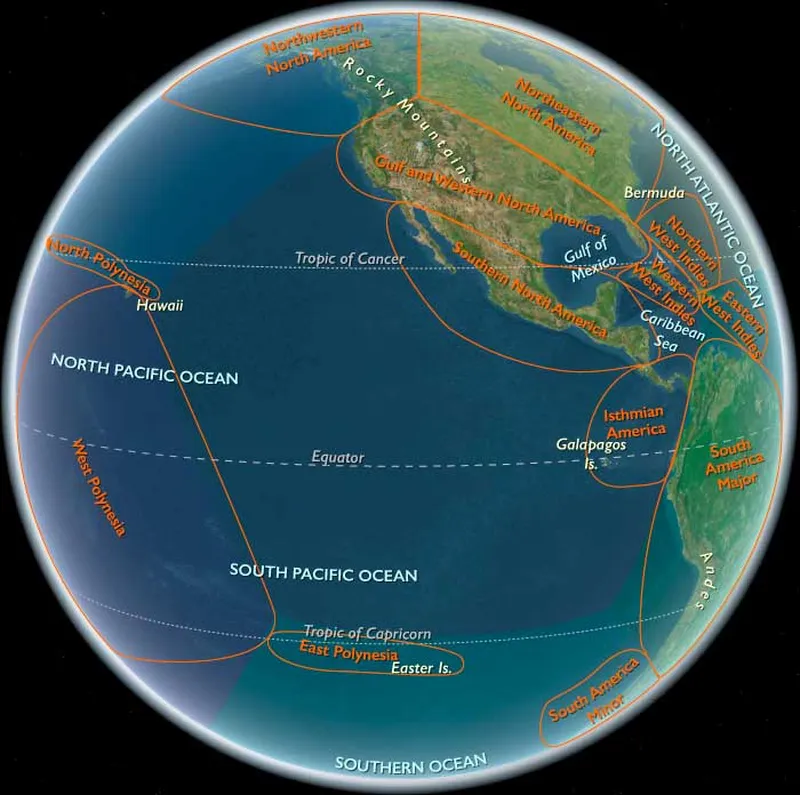 The Far West
World
-
{# Image navigates to the detail page; the magnifying-glass chip is the only Fancybox lightbox trigger (kept a separate sibling — anchors can't nest). #}
 Northern North America
Region
-
{# Image navigates to the detail page; the magnifying-glass chip is the only Fancybox lightbox trigger (kept a separate sibling — anchors can't nest). #}
 Gulf and Western North America
Subregion