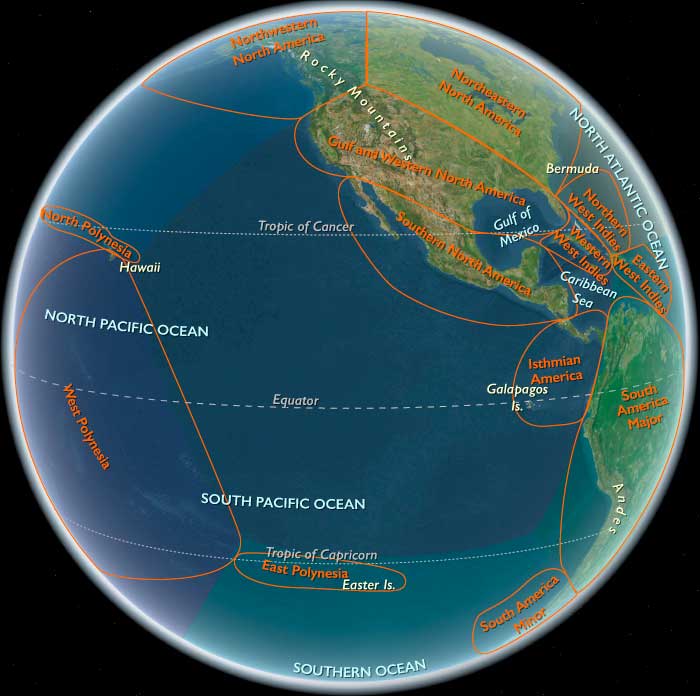
Event
The Mississippi Valley supported thriving agricultural communities…
The Mississippi Valley supported thriving agricultural communities that cultivated the Mesoamerican staple foods of maize, beans, and squash—known as the "Three Sisters."
The later Mississippian culture (approximately 800-1600 CE) developed sophisticated chiefdom societies with temple structures built atop large earthen platform mounds. Archaeological evidence from sites like Cahokia demonstrates that some Mississippian societies practiced human sacrifice as part of religious and political rituals, though this was likely ceremonial rather than warfare-driven.
Mississippian communities often built defensive stockades around their settlements, probably as protection against raids from competing chiefdoms and neighboring groups. The reasons for fortification were complex and related to political competition, resource control, and territorial disputes among various groups.
The decline of Mississippian societies began in the fourteenth century and accelerated in the fifteenth century. This collapse resulted from multiple factors including climate change (the Little Ice Age), resource depletion, social conflicts, and later, diseases introduced by European contact. Many settlements were abandoned, and populations dispersed into smaller communities or migrated to areas with more reliable resources.
-
{# Image navigates to the detail page; the magnifying-glass chip is the only Fancybox lightbox trigger (kept a separate sibling — anchors can't nest). #}
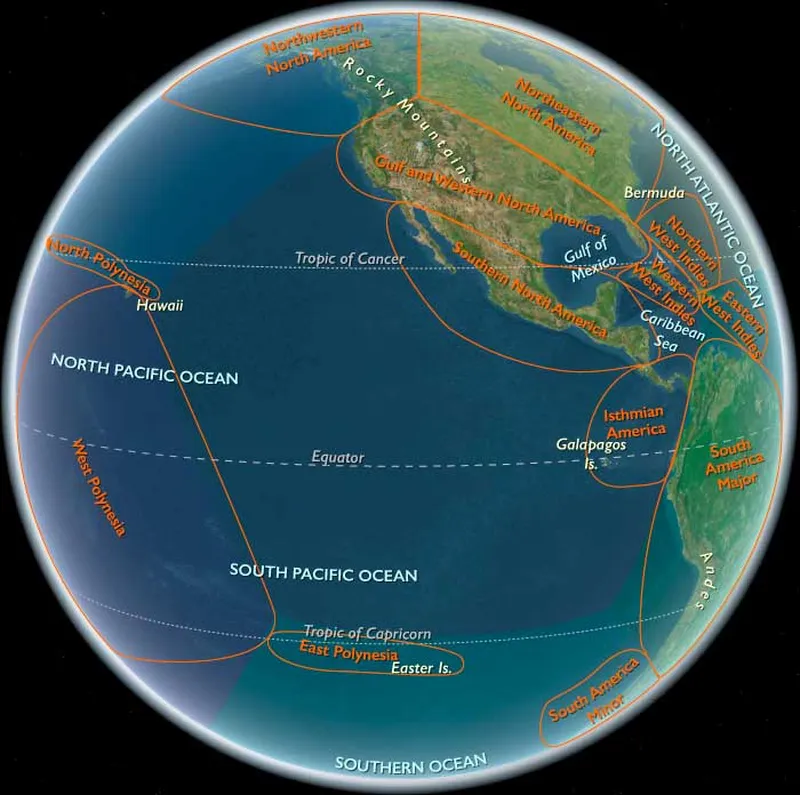 The Far West
World
-
{# Image navigates to the detail page; the magnifying-glass chip is the only Fancybox lightbox trigger (kept a separate sibling — anchors can't nest). #}
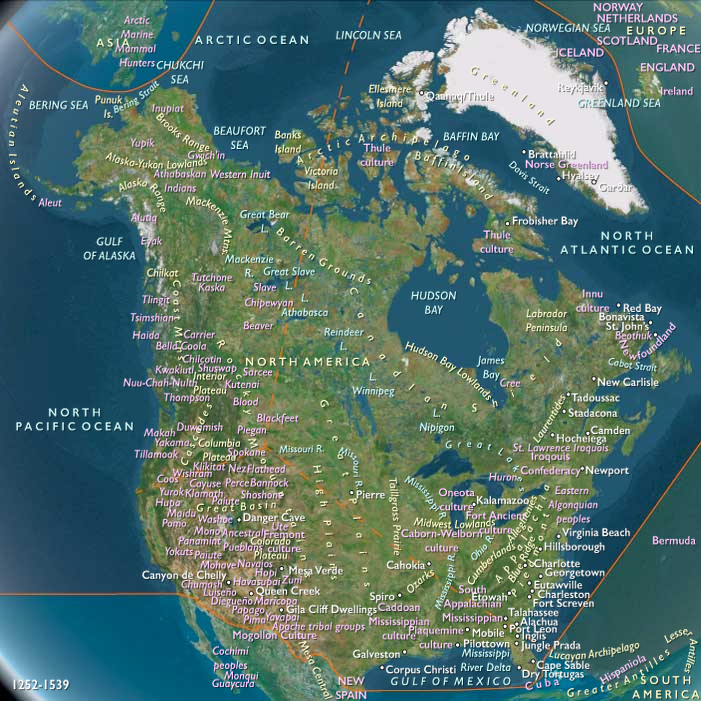 Northern North America
Region
-
{# Image navigates to the detail page; the magnifying-glass chip is the only Fancybox lightbox trigger (kept a separate sibling — anchors can't nest). #}
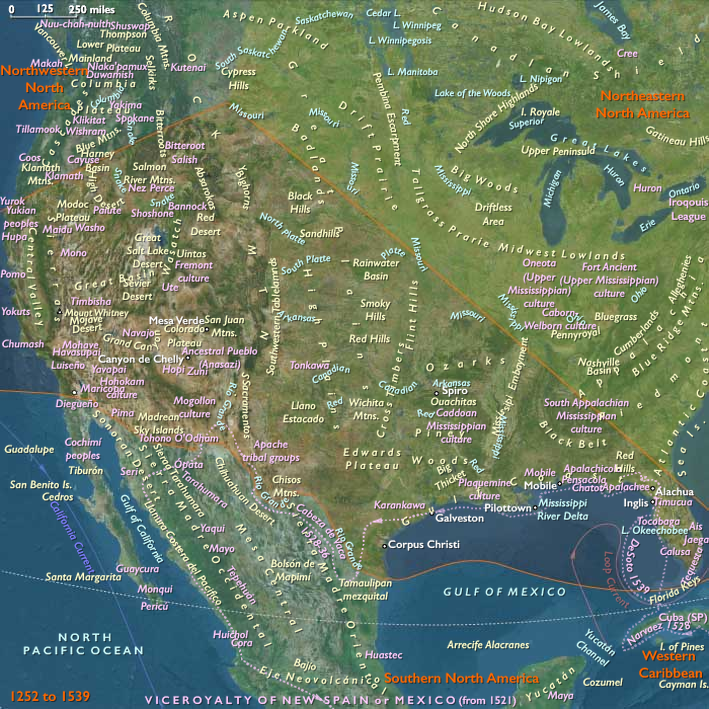 Gulf and Western North America
Subregion