Migration of Spanish Jews to the Netherlands…
1504 CE to 1515 CE
Migration of Spanish Jews to the Netherlands and Venice (Early 16th Century)
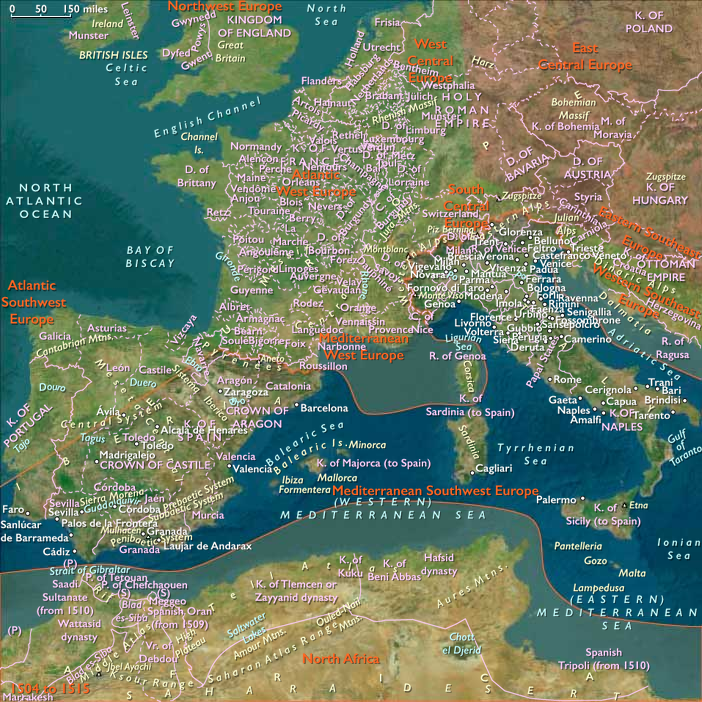
Following Spain’s increasingly stringent religious policies, culminating in the expulsion of the unconverted Moorish population in 1505, significant numbers of Spanish Jews—already displaced by earlier expulsions and religious persecution—sought refuge in trading hubs across Atlantic West Europe, particularly the Netherlands and Venice. These prosperous commercial cities, renowned for their relative tolerance and economic dynamism, provided safe havens for Jewish communities fleeing persecution, facilitating their reestablishment and integration.
The arrival of Spanish Jews significantly enriched local economies, cultural diversity, and intellectual life. With extensive networks, language skills, and commercial expertise, Jewish refugees rapidly integrated into the established mercantile communities, enhancing the commercial competitiveness and financial innovation of their adopted cities.
Economic and Cultural Significance:
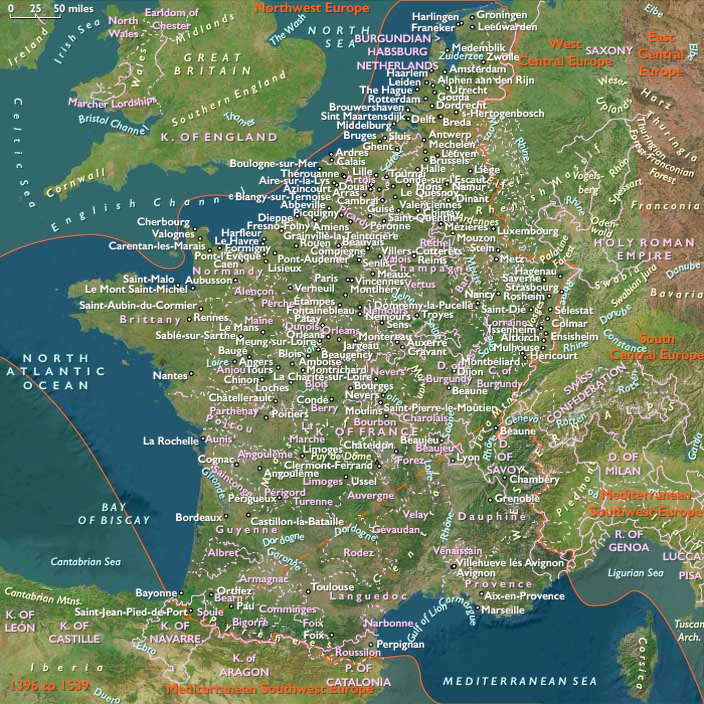
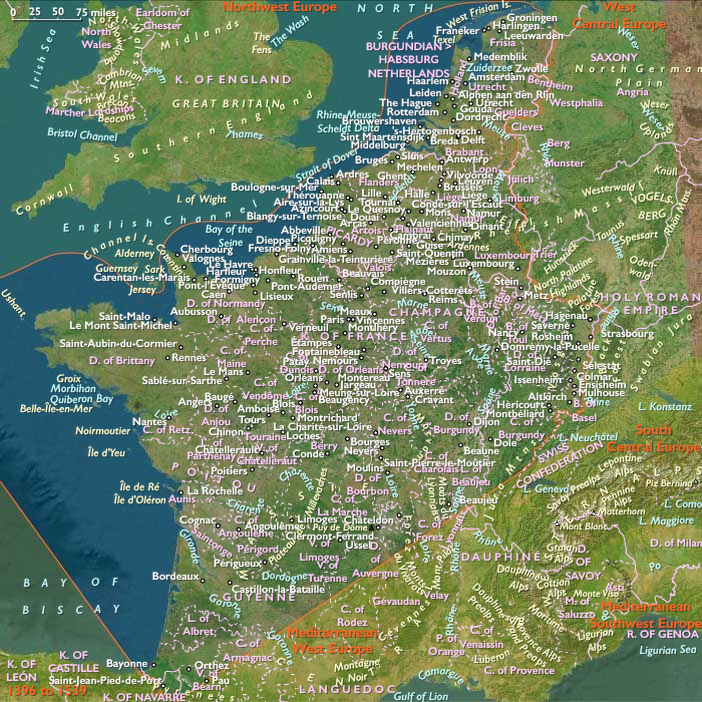
In the Netherlands, particularly in Amsterdam and Antwerp, Spanish Jews notably contributed to the flourishing trade networks, playing a pivotal role in the growth of international commerce and finance. Their knowledge of Iberian trade routes, maritime commerce, and banking practices significantly bolstered the economic rise of these northern trading centers.
Similarly, in Venice, the Jewish community quickly became integral to the city’s economic vitality, prominently participating in commerce, banking, and scholarly activities. Venice's renowned printing industry further benefited from Jewish scholarship, as refugees brought with them advanced learning, languages, and cultural traditions, notably enriching Venetian intellectual and cultural life.
Consequences and Legacy:
The migration of Spanish Jews to the Netherlands and Venice transformed the economic and cultural landscapes of both regions, catalyzing innovations in trade, finance, and culture. These communities played a vital role in bridging Mediterranean and Northern European commerce, setting the stage for future economic developments, cultural exchange, and intellectual achievements, leaving a lasting imprint on early modern European history.