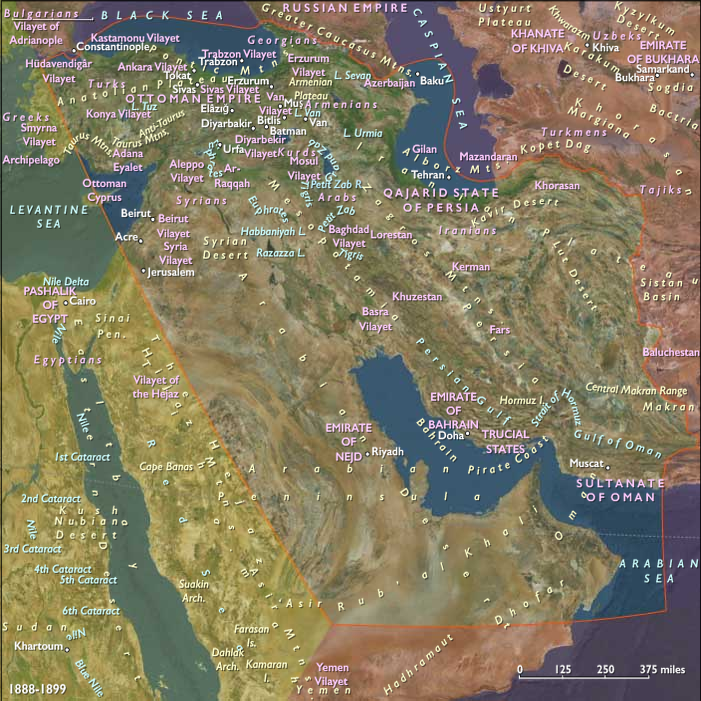
The Al Said control over a united…
1828 CE to 1971 CE
The Al Said control over a united Oman survives in the end, but Said ibn Taimur does not.
Although the sultan had partially reestablished his authority in the Omani interior, he was unable to handle the increasing complexity of domestic politics.
By the 1960s, Omani affairs had become international issues.
Western oil companies sought to work in the interior of the country, and foreign governments, such as the Marxist state of the People's Democratic Republic of Yemen, were sending arms to the rebels in Dhofar.
People
Groups
Iranian peoples
View →
Arab people
View →
Omanis
View →
Persian people
View →
Islam
View →
Muslims, Sunni
View →
Muslims, Kharijite
View →
Muslims, Shi'a
View →
Muslims, Ibadi
View →
Ismailism
View →
Qarmatians
View →
Persia, Safavid Kingdom of
View →
Yaruba dynasty
View →
Ra's al-Khaymah, or Ras al-Khaimah, Emirate of
View →
Abu Dhabi, Emirate of
View →
Sharjah (ash-Shariqah), Emirate of
View →
Oman, Sultanate of
View →
Ajman, or 'Ujman, Emirate of
View →
Kuwait, Sheikhdom of
View →
Umm al-Qaywayn, or Umm al-Quwain, Emirate of
View →
Persia, Qajarid Kingdom of
View →
Dubai, Emirate of
View →
United States of America (US, USA) (Washington DC)
View →
al-Fujayrah, or Fujairah, Emirate of
View →
Britain (United Kingdom of Great Britain and Ireland)
View →
Bahrain, British protectorate of
View →
Muscat and Oman
View →
Kuwait, British protectorate of
View →
Anglo-Persian Oil Company
View →
Standard Oil of California (Socal)
View →
Qatar, British Protectorate of
View →
Persia, Pahlavid Kingdom of
View →
Britain (United Kingdom of Great Britain and Northern Ireland)
View →
Saudi Arabia, Kingdom of
View →
Arab League, or League of Arab States
View →
Iraq, First Republic of
View →
Kuwait
View →
Oman, Sultanate of
View →
United Arab Emirates (U.A.E.)
View →
Qatar, State of
View →
Bahrain
View →
Commodities
Subjects
Regions
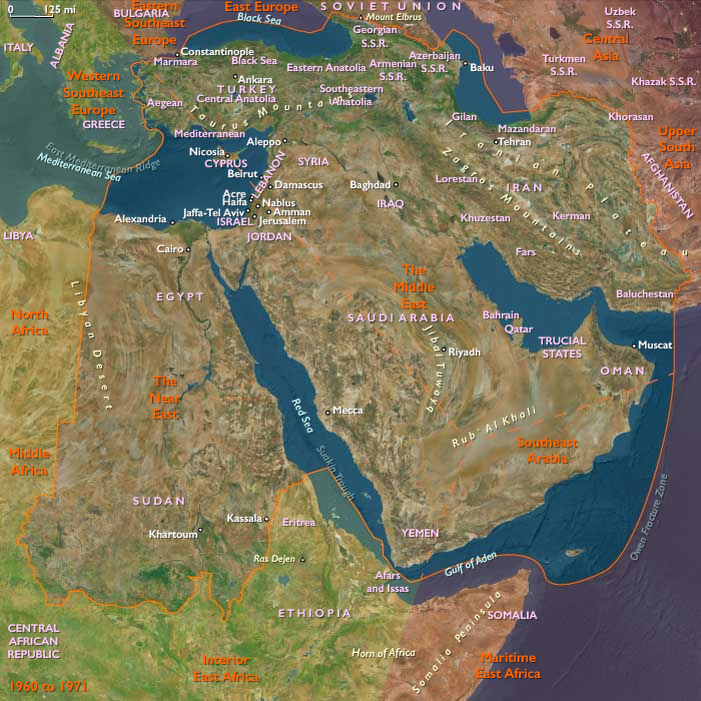
The Near and Middle East
View →Subregions