The Black Death: A Catastrophic Pandemic in…
1348 CE to 1359 CE
The Black Death: A Catastrophic Pandemic in Europe (1347–1352)
By the time the Black Death subsided in 1352, it had claimed the lives of approximately 25 million people across Europe, wiping out one-third to one-half of the continent’s population.
Spread of the Plague (1347–1352)
- The pandemic originated in Central Asia, spreading westward along trade routes such as the Silk Road.
- It reached Europe in 1347, first appearing in Sicily and then spreading rapidly via merchant ships to Italy, France, Spain, and beyond.
- The disease, caused by the bacterium Yersinia pestis, was primarily transmitted by fleas on rats, but also spread through airborne droplets in its pneumonic form.
- Major outbreaks devastated cities and rural areas alike, with mortality rates exceeding 50% in some regions.
Impact on European Society
- Demographic Collapse – The loss of millions of lives led to severe labor shortages, drastically altering feudal economies.
- Economic Disruption – Trade networks collapsed, food production declined, and wages rose due to a scarcity of workers.
- Social Upheaval – Widespread fear, persecution, and scapegoating led to violent attacks on Jewish communities, whom some blamed for spreading the plague.
- Religious Crisis – The inability of the Church to provide relief or explanations shook public faith, leading to calls for reform and the rise of flagellant movements.
End of the Epidemic and Aftermath
- By 1352, the worst of the Black Death had subsided, though sporadic outbreaks continued for centuries.
- The plague’s aftermath accelerated the decline of feudalism, contributed to the rise of wage labor, and reshaped European society, paving the way for economic and social transformations in the late Middle Ages.
The Black Death remains one of history’s most devastating pandemics, fundamentally altering the course of European history and shaping the world that followed.
Subjects
Regions
Subregions
East Europe
View →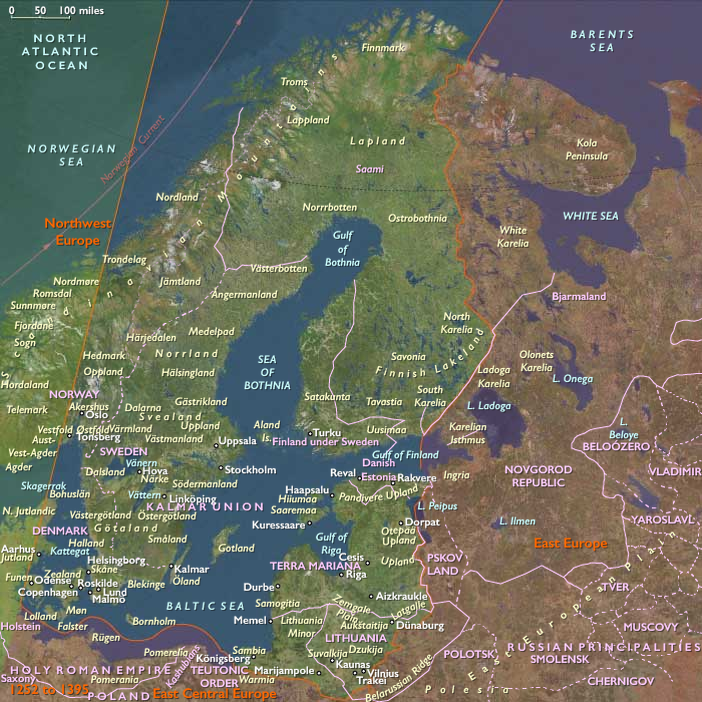
Northeast Europe
View →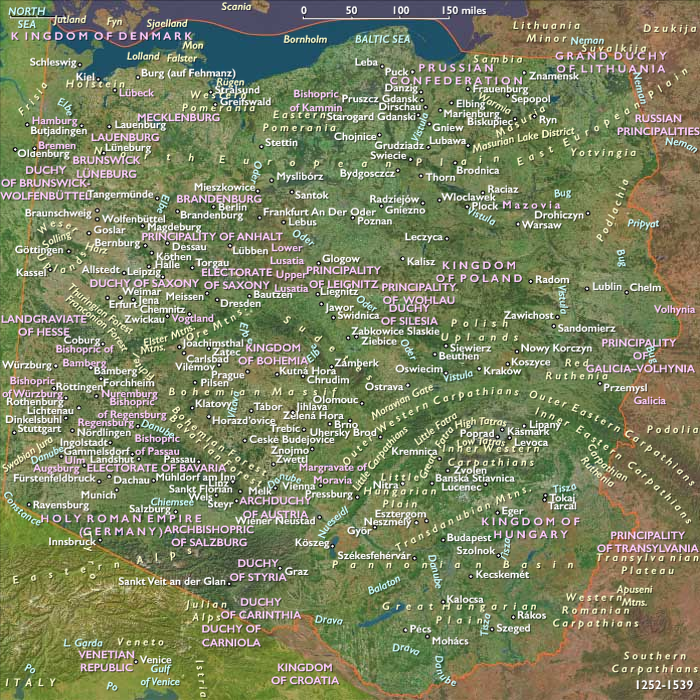
East Central Europe
View →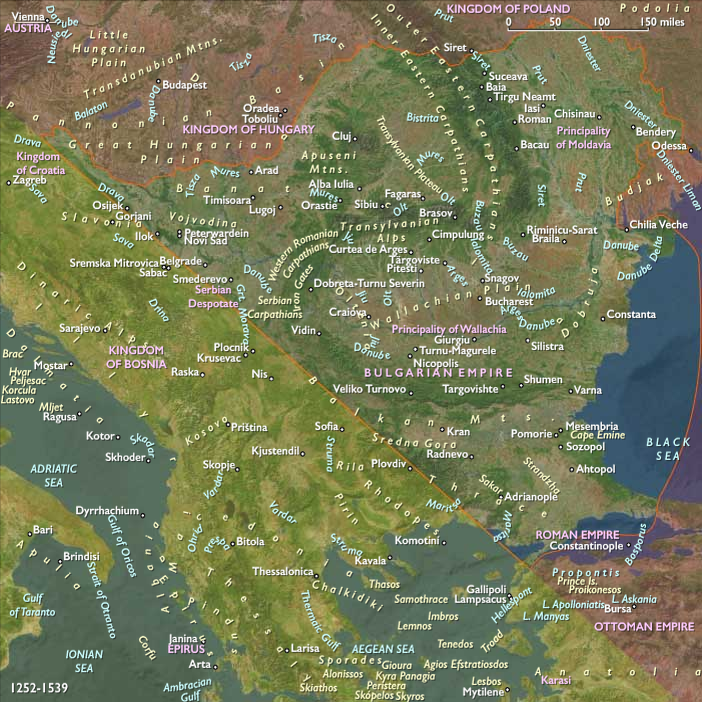
Eastern Southeast Europe
View →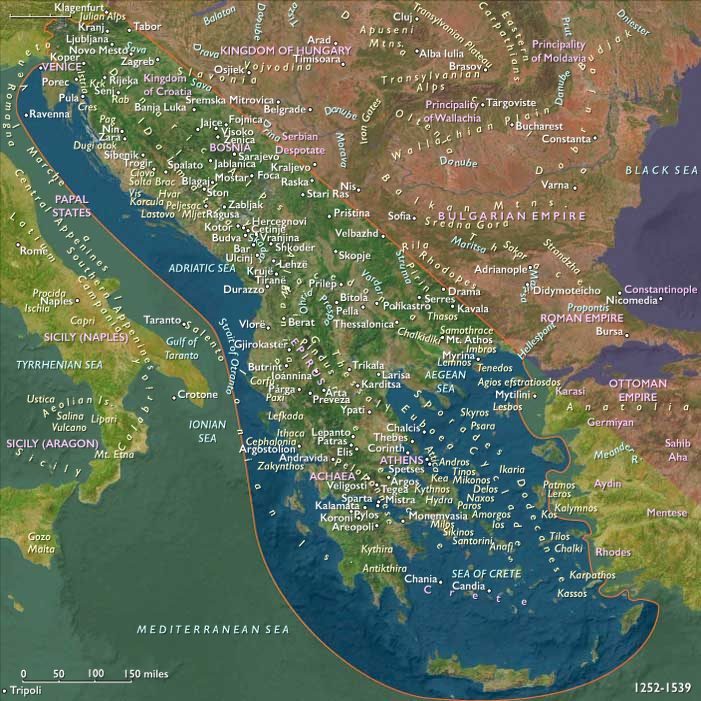
Western Southeast Europe
View →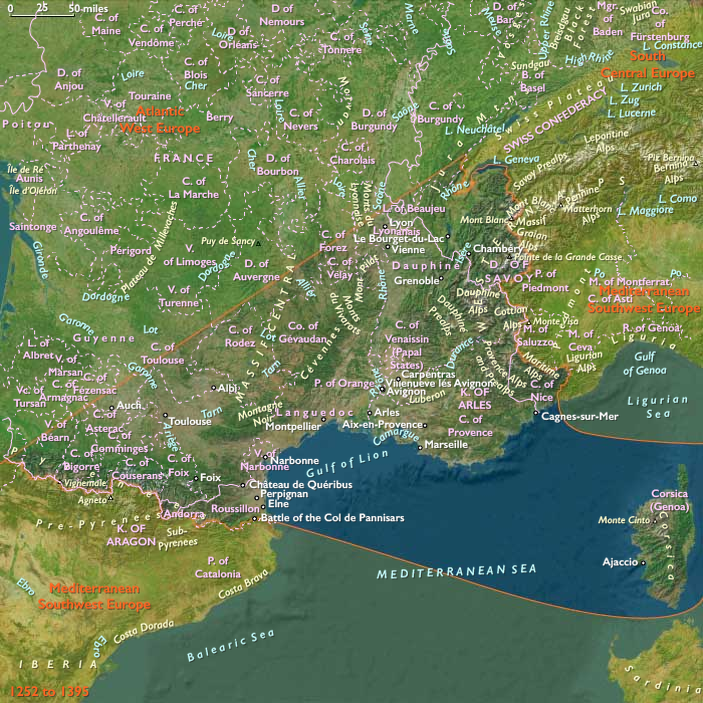
Mediterranean West Europe
View →
Mediterranean Southwest Europe
View →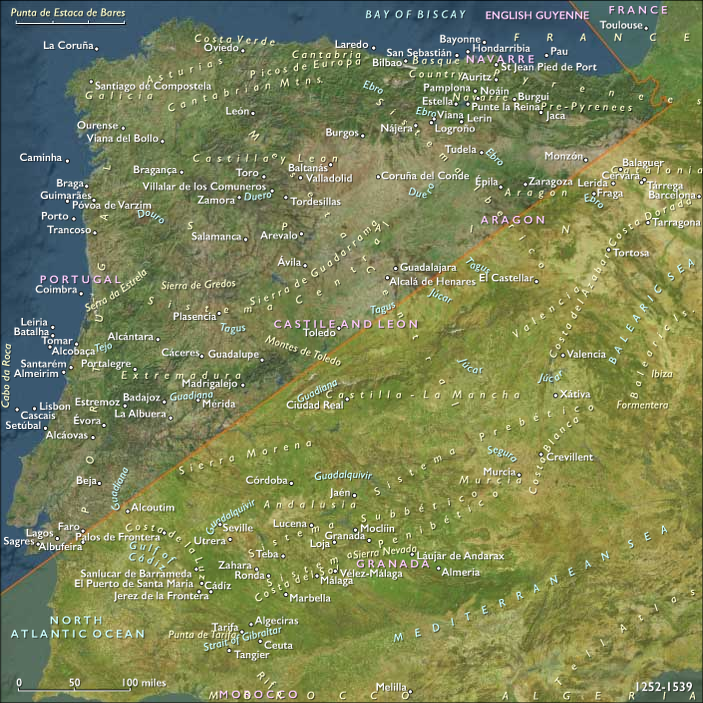
Atlantic Southwest Europe
View →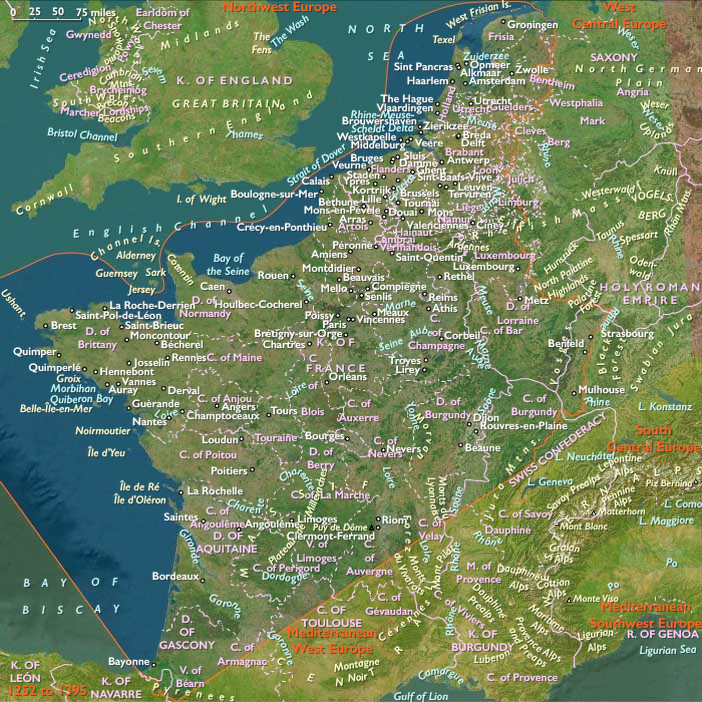
Atlantic West Europe
View →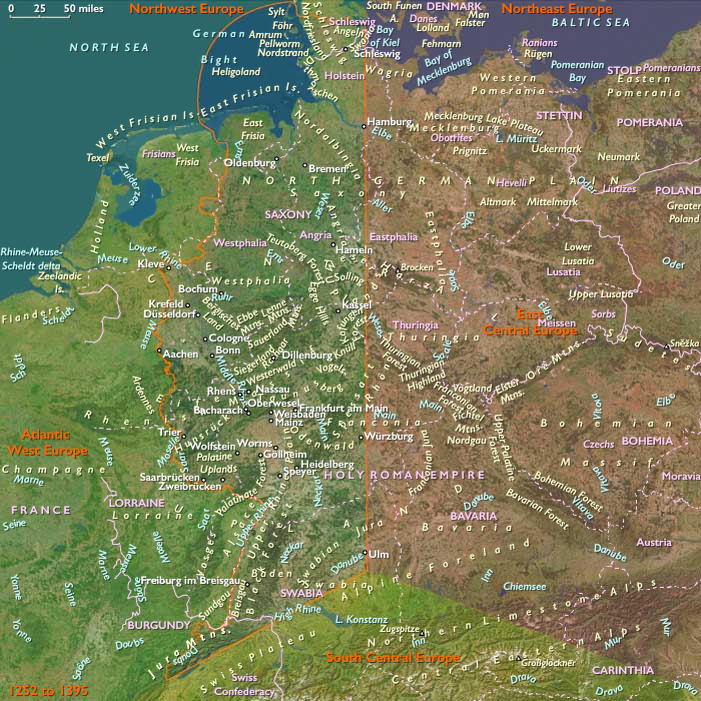
West Central Europe
View →